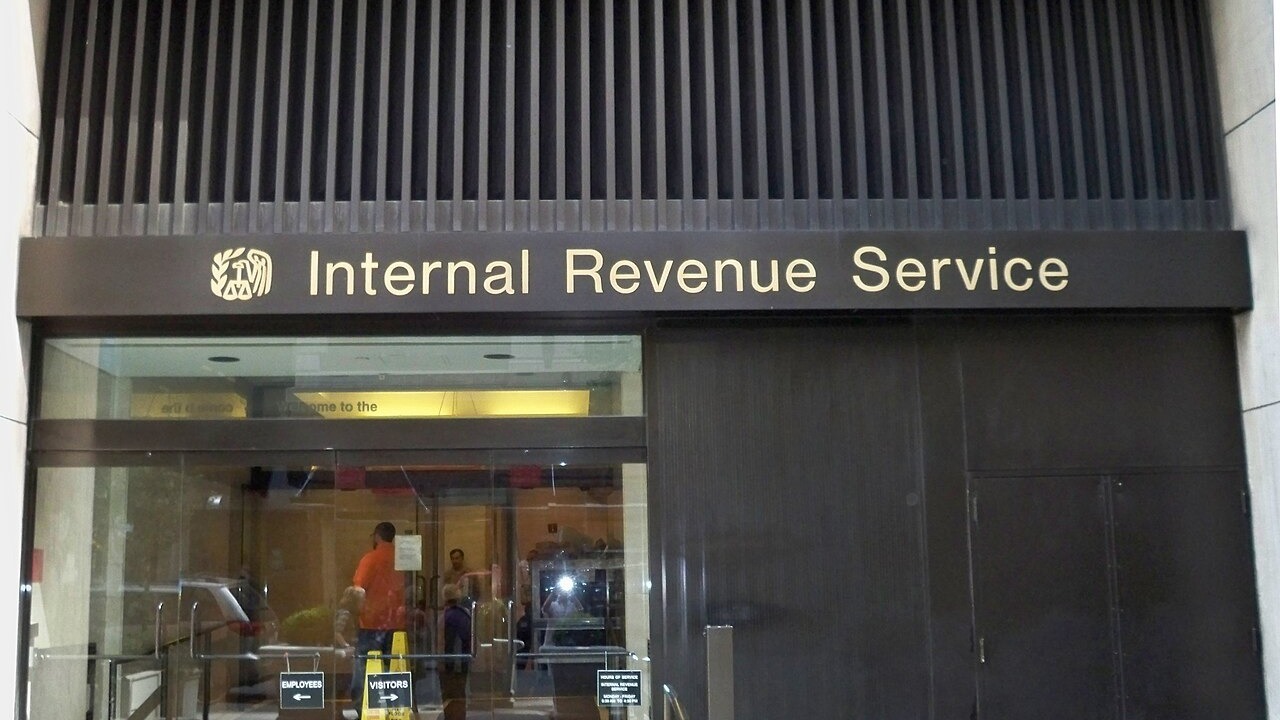
A charitable remainder annuity trust can be a legitimate estate-planning vehicle, but the IRS has drawn a bright enforcement circle around a specific tax-avoidance arrangement using one. Final regulations now classify the described CRAT transaction and substantially similar versions as listed transactions. That label creates disclosure duties and penalty exposure for affected participants and advisers without declaring every CRAT abusive.
The final rule targets a transaction sequence
The IRS’s July 8 announcement describes property worth more than its tax basis being transferred to a purported CRAT. The trust sells the property and uses some or all of the proceeds to buy a single-premium immediate annuity. Participants then claim, through a disputed reading of the tax rules, that much of the annuity payment escapes ordinary income or capital-gain taxation.
The regulator’s concern is the claimed elimination of tax on appreciated property, not the mere presence of charity or an annuity. That distinction matters for retirees who established conventional charitable trusts for income and philanthropy. A trust’s name does not decide whether it falls inside the listed description; the funding, sale, annuity purchase and reported tax treatment must be compared with the regulation.
Free retirement updates: Scam calls targeting retirees change every week. Our free Retirement Shield newsletter flags the ones going around and the one tell that stops each. Sign up free.
“Listed” brings reporting obligations
The controlling final rule appears in the Internal Revenue Bulletin and took effect July 9, 2026. It says material advisers and certain participants must file disclosures and can face penalties for failing to do so. Listed-transaction status is one of the IRS’s strongest transparency tools because it requires the arrangement to be identified rather than waiting for an ordinary return examination to reveal it.
Disclosure is not an elective footnote added only when an audit begins. The timing, years covered and parties required to report depend on the final regulation and broader reportable-transaction rules. Anyone who participated in a matching arrangement should obtain transaction-specific tax counsel promptly instead of assuming a preparer or promoter has handled every required filing.
Form 8886 is part of the compliance trail
The IRS uses Form 8886, Reportable Transaction Disclosure Statement, for taxpayers to disclose reportable transactions. Filing mechanics can include attaching the form to a return and providing a copy to the Office of Tax Shelter Analysis, depending on the instructions and circumstances. Material advisers have separate obligations under the tax code.
Records should show when appreciated property entered the trust, its basis and valuation, sale proceeds, the annuity contract, distributions, prior disclosures and the positions taken on every affected return. Those documents allow an independent adviser to test the arrangement against the final description. A glossy opinion letter or promoter slide deck is not a substitute for the executed trust, contracts and tax filings.
Penalties can outlive the promised tax savings
Reportable-transaction penalties can apply to nondisclosure even before the government resolves the ultimate tax deficiency. Additional tax, interest, accuracy-related penalties and professional fees may follow if the claimed treatment fails. For a retiree relying on annuity cash flow, the danger is not abstract: a later assessment can consume liquid assets that were expected to fund living costs.
Promoter language deserves scrutiny when it promises sale proceeds with little or no current tax, describes disclosure as unnecessary, or portrays the IRS as having silently accepted the technique. The July final rule is the opposite of silence. It publicly identifies the arrangement and substantially similar transactions for heightened reporting.
Legitimate CRATs require a narrower review
The final regulation does not say all charitable remainder annuity trusts are tax shelters. Properly structured CRATs remain governed by detailed charitable, payout, valuation and tax-accounting rules. The sensible response is not to unwind every charitable plan blindly, but to compare the actual transaction sequence and claimed income character with the listed rule.
The strongest protection is independent review by a professional who did not sell the trust or annuity. The source-led question is exact: did appreciated property move into a purported CRAT, get sold, fund a single-premium immediate annuity, and produce a claim that ordinary income or gain disappeared? When that pattern is present, the IRS has now made disclosure and penalty analysis unavoidable.
Trust beneficiaries should also distinguish cash-flow promises from tax character. An annuity payment can contain different tax layers, and a schedule calling a portion “return of principal” does not control federal treatment when the arrangement misapplies the CRAT tier rules. The trust return, beneficiary statements and individual return should tell a consistent story grounded in the governing sections.
A review may reach beyond the current year because listed-transaction rules can create obligations tied to prior participation and open limitation periods. Destroying old files after a routine retention window would be particularly risky when basis, valuation and distribution history determine the tax result. Digital copies should preserve signatures, attachments and the exact version of any professional opinion received.
The final regulation also protects ordinary charities from being swept in solely because they are charitable remaindermen in the described arrangement. That nuance reinforces the rule’s transactional focus. The enforcement target is the engineered tax result and the people who participate in or advise it, not the charitable beneficiary simply named to receive the remainder.
This article was researched and drafted with AI assistance and reviewed against the linked primary sources.
More Financial Reading
- Bank statements: how long to keep them and when to toss them
- Adding someone to your bank account: tax traps and smart moves