Ford Motor Co. told investors on April 29 that it is raising its full-year 2026 profit forecast, betting that booming demand for its trucks and SUVs will more than offset a persistent drag from rising aluminum costs. The announcement, disclosed in a Form 8-K filed with the Securities and Exchange Commission, represents a sharp pivot for a company that spent much of 2025 on defense, fielding investor concerns about electric-vehicle losses and ballooning warranty expenses.
This time, Ford is playing to its strengths. The Dearborn, Michigan, automaker pointed to the profitability of its Ford Blue and Ford Pro divisions, which sell consumer trucks and SUVs alongside commercial work vehicles and fleet management software, as the primary drivers behind the upgraded outlook. But in the same filing, Ford cautioned that elevated aluminum and raw material prices would continue to weigh on margins through the second half of the year.
Trucks and SUVs are carrying the load
The F-Series pickup, Bronco, and Expedition have long been Ford’s financial backbone, and the guidance raise signals that those nameplates are delivering even stronger returns than management initially projected for 2026. Ford Pro, the commercial arm that sells Transit vans, Super Duty trucks, and subscription-based fleet software to business customers, has been the company’s most reliable profit center for several consecutive quarters and appears to have given executives the confidence to revise their targets upward.
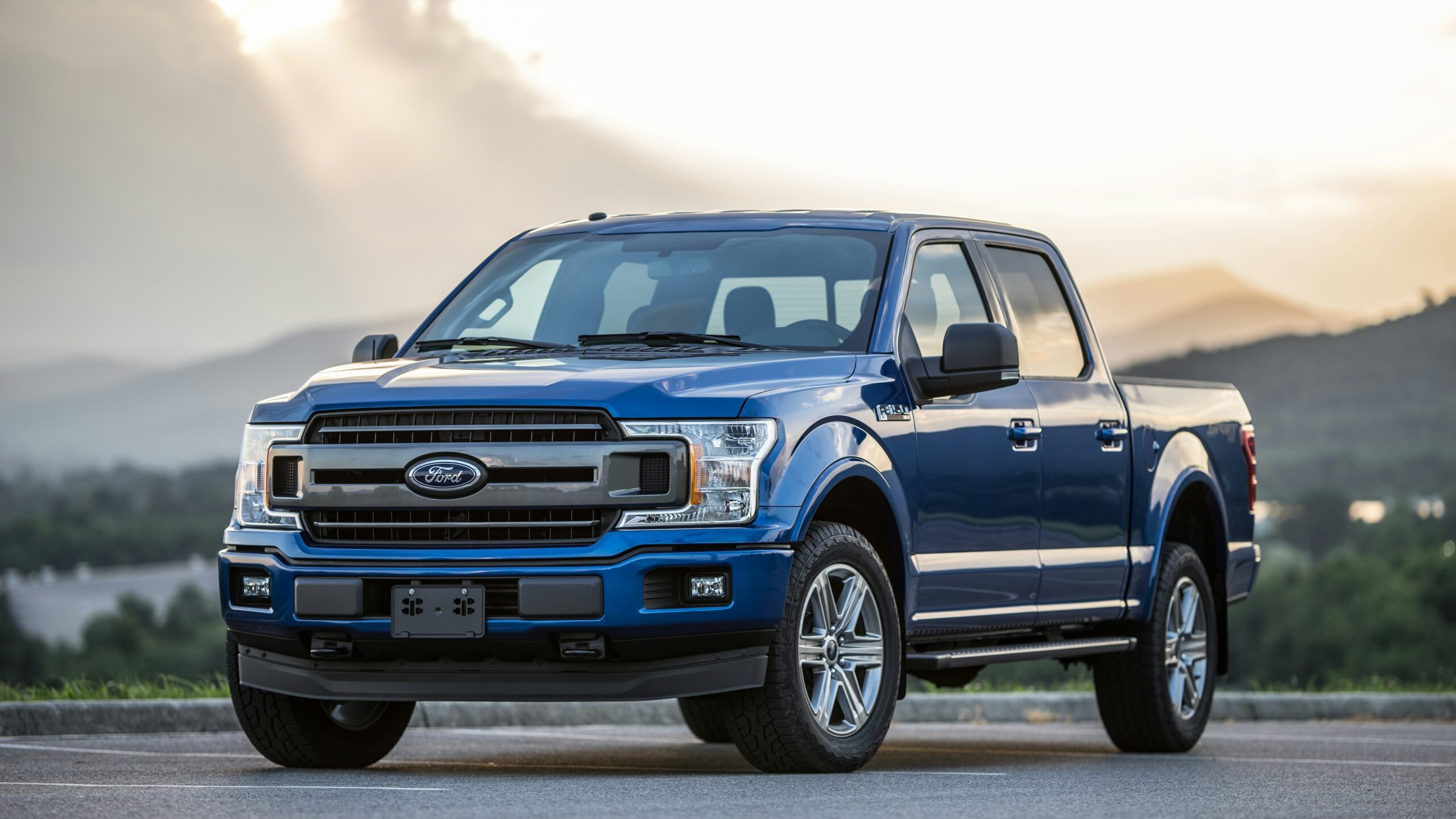
Ford is not alone in leaning on big vehicles. General Motors reported strong full-size truck and SUV margins in its most recent earnings, and Stellantis has cited Ram and Jeep as key profit contributors. What sets Ford apart is the degree of its exposure to aluminum. The F-150 has used an aluminum-alloy body since its 2015 redesign, a decision that cut roughly 700 pounds from the truck but permanently tied the cost structure of Ford’s best-selling vehicle to a notoriously volatile commodity.
Aluminum remains the wild card
Aluminum prices on the London Metal Exchange have swung sharply in 2026, pressured by elevated energy costs at European smelters and shifting export policies from major producing nations including China and Russia. For Ford, the math is straightforward: every sustained increase in aluminum prices raises the per-unit cost of the F-150 and other aluminum-intensive models, eating directly into the margins that fund the rest of the business.
Ford’s SEC filing did not specify how much of its 2026 aluminum supply is hedged through forward contracts or locked in via long-term supplier agreements. That omission matters. If the company secured favorable pricing on a large share of its needs earlier in the year, the margin impact could prove manageable. If Ford remains heavily exposed to spot-market pricing, another leg higher in aluminum could force a guidance revision in the opposite direction.
The company also has not addressed whether it is evaluating engineering changes or material substitutions to reduce aluminum content in future model-year vehicles. Any such shift would require years of development and retooling, but the question of whether Ford views its commodity exposure as a structural vulnerability or a cyclical headache is one investors and analysts are likely to press in upcoming earnings calls.
Model e losses still loom in the background
Ford’s profit story cannot be separated from Model e, its electric-vehicle division. The unit has reported billions in cumulative operating losses as the company invested in next-generation EV platforms while grappling with slower-than-expected consumer adoption.
The raised guidance implies that Ford Blue and Ford Pro are generating enough profit to absorb ongoing EV losses and still deliver a better bottom line than previously forecast. That cushion, however, is not unlimited. If commodity costs accelerate while Model e continues to burn cash at a similar rate, the margin buffer provided by trucks and SUVs could narrow quickly. On the other hand, if Ford manages to trim EV losses through tighter cost controls or stronger volumes on vehicles like the Mustang Mach-E, the full-year result could exceed even the revised outlook.
What has to go right for Ford’s forecast through December 2026
Ford’s upgraded forecast is a meaningful signal, backed by a regulated SEC filing and rooted in the proven profitability of its core truck and SUV lineup. But the company’s own commodity warning, combined with the absence of specific margin-impact figures, means the outlook carries more uncertainty than the top-line revision might suggest.
Three variables will determine whether the new target holds through December. First, the direction of aluminum prices over the summer, when construction and automotive demand typically peak. Second, the durability of truck and SUV transaction prices at a time when interest rates remain elevated and consumers are increasingly sensitive to monthly payments. And third, whether Ford Pro’s commercial business, which benefits from multi-year fleet replacement cycles, can sustain the momentum that has made it the company’s steadiest earner.