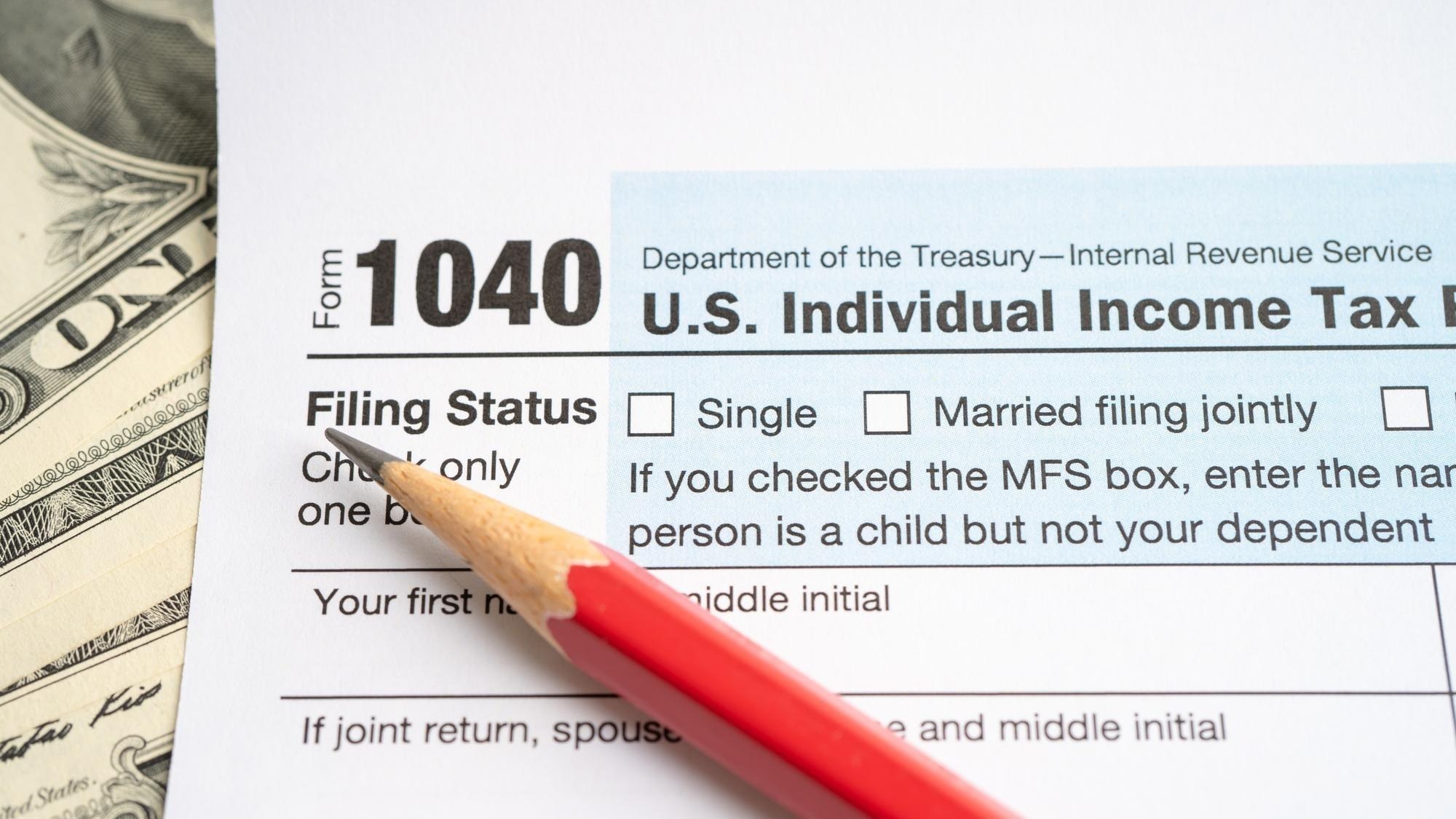
A refund check should arrive within 4 weeks of its issue date, and one that has not shown up by then needs a trace, the IRS says. If the check was already cashed, the Treasury’s Bureau of the Fiscal Service (BFS) says its review can take up to 6 weeks. The rules sit on the agency’s refunds page, updated October 16.
No new automatic payment is behind this. The IRS newsroom has announced one automatic refund batch this month, for adoption credit carryforwards, and nothing else with a stated taxpayer count. The steps below matter to anyone whose refund was marked sent and never landed.
A refund can be issued as a paper check or as a direct deposit. The IRS says typical refunds take about 3 weeks after e-filing and 6 or more weeks after it receives a mailed return. Status in the refund tracker shows up 24 hours after an e-filed current-year return, 3 days for a prior-year return and 4 weeks for a paper return.
The question for people waiting is simple. The tracker says a refund was sent, the mailbox or bank account shows nothing, and the 4 weeks are up. That is the moment the IRS says to start a trace, and the route depends on how the return was filed.
Retirement deadlines, in your inbox: Miss an enrollment or claim deadline and the money can be gone. The Retirement Money Brief keeps you ahead of the ones that matter, every weekday.
Get the Retirement Money Brief →
We may earn a commission from links on this page.
How the 4 weeks are counted
The clock starts on the issue date, not the filing date. The IRS tells people to wait the full processing time first and to confirm the issue date in the refund tracker or in an IRS online account. A check should be in the mailbox within 4 weeks of that date.
Refunds on returns that claim the Earned Income Credit are held until mid-February. Returns claiming the Additional Child Tax Credit need extra review time. An amended return is slower still, because the IRS has to compare it with the original. A late refund is not always a lost refund.
Who starts the trace and how
Filers who are single, married filing separately or head of household can start a trace in the refund tracker or the IRS app. That works for current-year refunds only. They can also call 800-829-1954 with the return in hand.
Married couples who filed jointly call 800-829-1040 with the return, or send Form 3911, “Taxpayer Statement Regarding Refund.” The Form 3911 page says the form is used to trace a refund check that was lost or never received, whether it was a paper check or a direct deposit. Send nothing but the form to the mailing or fax address for the state where the taxpayer lives.
What happens to the old check
The next step depends on whether anyone cashed the check. If it was not cashed and is under 1 year old, the IRS says the original is canceled and a new check is mailed, arriving within 4 weeks.
If it was not cashed and is over 1 year old, the new check comes with a CP32 notice. When the IRS cannot reissue it, a CP32A notice goes out and the taxpayer has to contact the agency for a replacement. A CP number is the notice code printed on an IRS letter.
If the check was cashed, BFS mails a claim package and a copy of the cashed check. The IRS says that BFS review can take up to 6 weeks. That is the longest wait in the process, and it is why anyone who spots a missing check early gains time.
Reading the letter that comes with a refund
The IRS may send a notice when a refund changes, when it has a question about a return, when it needs to verify an identity or when processing is delayed. The agency’s notice guide says the CP or LTR number sits in the top right corner of the letter. Searching that number on the IRS site pulls up what the letter means.
A smaller refund is often an offset. The IRS says a refund can be applied to prior taxes owed or to past-due child support, federal agency debts or state income tax. BFS mails the notice about a debt offset, and the IRS says it does not receive the offset details. Questions about that notice go to BFS.
A refund that is bigger than expected also comes with a letter. The IRS mails a notice explaining any adjustment that increases a refund. Anyone who gets money in error is told to return it promptly.
The guide adds one safety rule. A letter that does not turn up in the IRS search, or looks suspicious, should be checked by calling 800-829-1040. The IRS does not contact taxpayers by email, text or social media to ask for personal or financial information.
Proof that a refund went out
An account transcript gives a record of what the IRS has on file. The transcript page says it can be viewed online in an IRS online account, or requested by mail. Mailed transcripts arrive in 5 to 10 calendar days at the address the IRS has on file. The automated line for a mailed copy is 800-908-9946.
Timing matters here as well. The IRS says a transcript for an e-filed return with a refund is generally available 2 to 3 weeks after submission. For a paper return, the wait is 6 to 8 weeks after mailing.
Protecting the next refund
A lost refund is sometimes a stolen one. In a release dated October 22, IRS Chief Executive Officer Frank J. Bisignano said, “Protecting sensitive financial information is essential.” The release urges taxpayers to guard their online account sign-in and to get an Identity Protection PIN, a six-digit number that blocks anyone else from filing under their Social Security number.
The deadline is close. Taxpayers planning to file early in 2027 should request the PIN before the online system goes offline for annual maintenance in mid-November. It is generally available again in mid-January.
Where the free tools are
Everything above starts at the IRS refunds page, which links the tracker, the IRS app and the online account at no charge. The IRS says the automated refund line is 800-829-1954 and the line for amended returns is 866-464-2050. Anyone with a refund past the 4-week mark has the full list of options in front of them. The open question is how long to wait before starting the trace.
Refund check never arrived?
A refund check that is cashed by someone else or lost in the mail can sit unnoticed past the 4-week mark, and the Fiscal Service review that follows can take up to 6 more weeks. People who wait on a vague letter often lose weeks they did not have to lose.
The IRS Refund Recovery Kit includes a notice decoder that explains the IRS letters tied to a late or reduced refund. It also includes a refund status tracker spreadsheet, the refund-trace steps for Form 3911 and the 3-year refund deadline, all laid out in one place.
Decode the refund letter and track the trace with the kit →
More Financial Reading
- 21 Ways to Stretch a $2,087 Social Security Check
- 15 Places to Find Your Share of the $4.25 Billion States Give Back
- The New $6,000 Senior Deduction and 14 More Tax Moves for Retirees
This article was produced with AI assistance and edited for accuracy against the sources linked above.