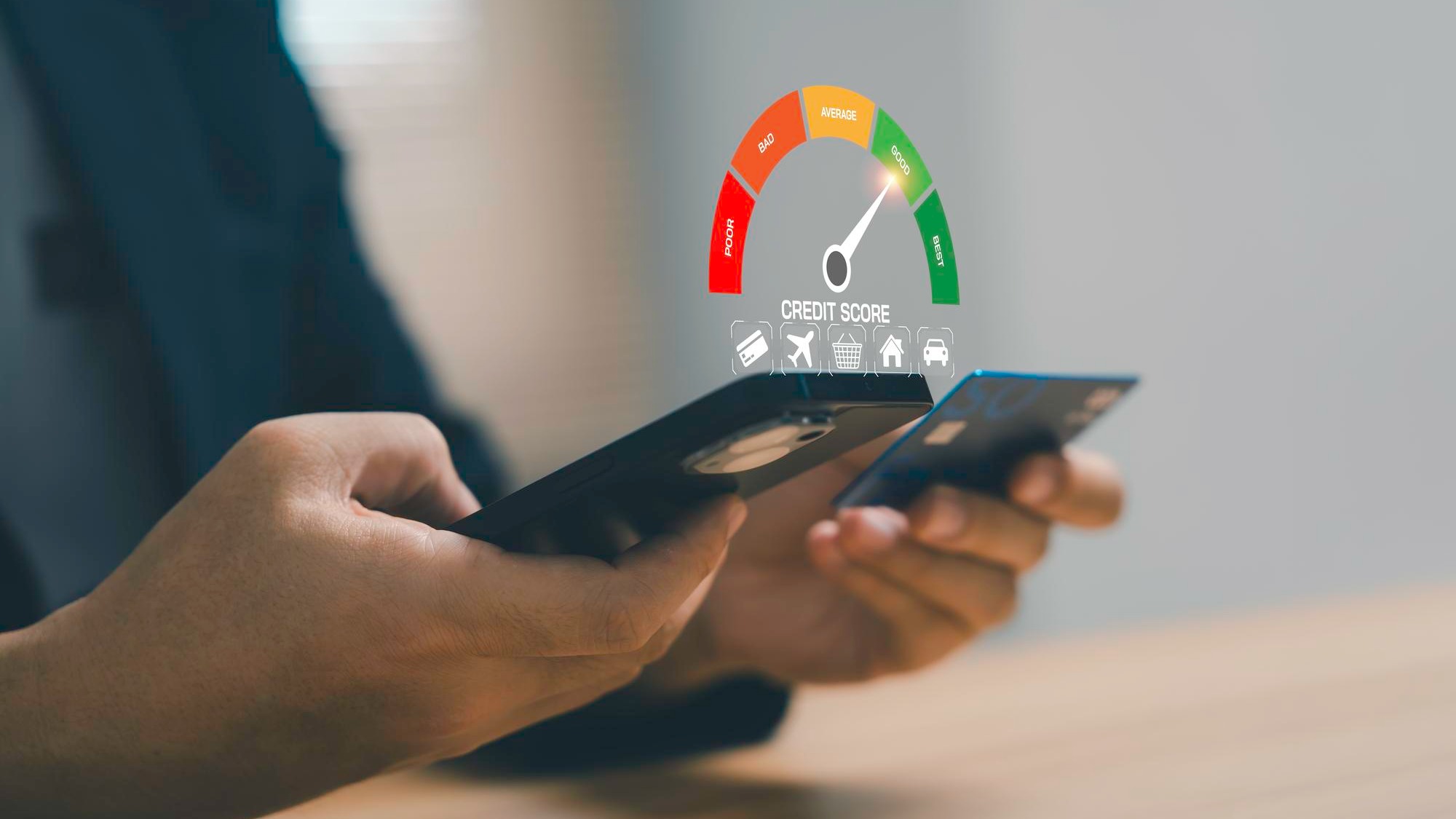
Households carrying high credit-card balances relative to their limits can see their scores drop fast, but the reverse is also true. Federal guidance from the Consumer Financial Protection Bureau confirms that credit scores weigh how close a cardholder is to being maxed out, and that crossing below widely cited utilization thresholds can produce visible score movement on the very next reporting cycle. With average card rates still elevated in mid-2026, the speed of that feedback loop gives borrowers a concrete tool to improve their standing before applying for a mortgage, auto loan, or new line of credit.
Why the 30 Percent Utilization Line Matters Right Now
Credit scoring models treat utilization as a snapshot. Unlike payment history, which accumulates over months and years, the ratio of a card balance to its limit refreshes each time an issuer reports to the bureaus. That means a borrower who pays down a balance before the statement closing date can shift the number the scoring model sees within a single billing cycle. The practical effect is that utilization is one of the few score inputs a consumer can change quickly and repeatedly.
The CFPB states directly that using too much credit may hurt a score. The agency also notes that “some experts advise using no more than 30 percent of your total credit limit, while others say you should use less than that.” That language stops short of calling 30 percent a hard rule, but it establishes the benchmark as a recognized threshold in federal consumer guidance. For someone sitting at 40 or 50 percent utilization with no other recent changes to their credit file, bringing that ratio below 30 percent isolates utilization as the variable most likely to move the score on the next reporting date.
Federal Data Linking High Utilization to Lower Scores
The CFPB’s score-education materials explain the mechanism plainly: scoring formulas look at how much of available credit a person is using, and using a high percentage of credit limits can hurt a credit score. The agency frames this as one of several factors, alongside payment history, length of credit history, and types of credit in use. But utilization stands apart because of how quickly it updates. A missed payment stays on a report for years. A high balance can be erased from the calculation in weeks if the cardholder pays it down before the next statement closes.
No public CFPB dataset breaks out average score gains by utilization band, and neither FICO nor VantageScore has released an official table showing the exact point impact of crossing from above 30 percent to below it. What the federal record does confirm is a directional relationship: higher utilization correlates with lower scores, and reducing utilization removes a drag on the calculation. The absence of a precise point estimate does not weaken the underlying logic. It simply means borrowers should expect improvement without banking on a specific number of points.
Gaps in the Evidence and What Borrowers Should Do First
Several questions remain open. The CFPB guidance does not specify whether the 30 percent threshold applies per card, across all cards combined, or both. Public-facing descriptions of scoring models indicate that both individual-card and total utilization matter, but they do not spell out which one is more heavily weighted at a given percentage. That leaves borrowers without a definitive formula for how much paying down one specific card will move their score compared with spreading payments across multiple cards.
Given those gaps, the most practical approach is to focus on behaviors that are clearly supported by the federal guidance. First, borrowers should aim to avoid maxing out any single card and to keep overall utilization as low as their budget reasonably allows. Moving from well above 30 percent to just below it is a sensible first target, but continuing to reduce balances beyond that point is likely to be even more helpful over time. Second, timing matters: paying down balances before the statement closing date increases the odds that the lower utilization will be reflected in the next report that goes to the credit bureaus.
Consumers should also remember that utilization is only one piece of the scoring puzzle. Consistent on-time payments, maintaining older accounts where appropriate, and limiting unnecessary new applications all work alongside lower balances to support a stronger profile. For borrowers preparing for a major application, such as a home purchase, it can be useful to map out several statement cycles in advance, plan extra payments to bring utilization down, and avoid new debt that could offset those gains.
Finally, while the 30 percent figure has become a widely cited benchmark, it should be treated as a guideline rather than a line between “good” and “bad.” The CFPB’s own wording emphasizes that some experts recommend using even less than that amount. In practice, the best strategy is to use only the credit you need, pay it down as quickly as reasonable, and monitor your reports so you can see how changes in utilization show up over time. That combination gives borrowers the clearest path to turning high-interest revolving balances from a drag on their scores into a lever they can actively manage.