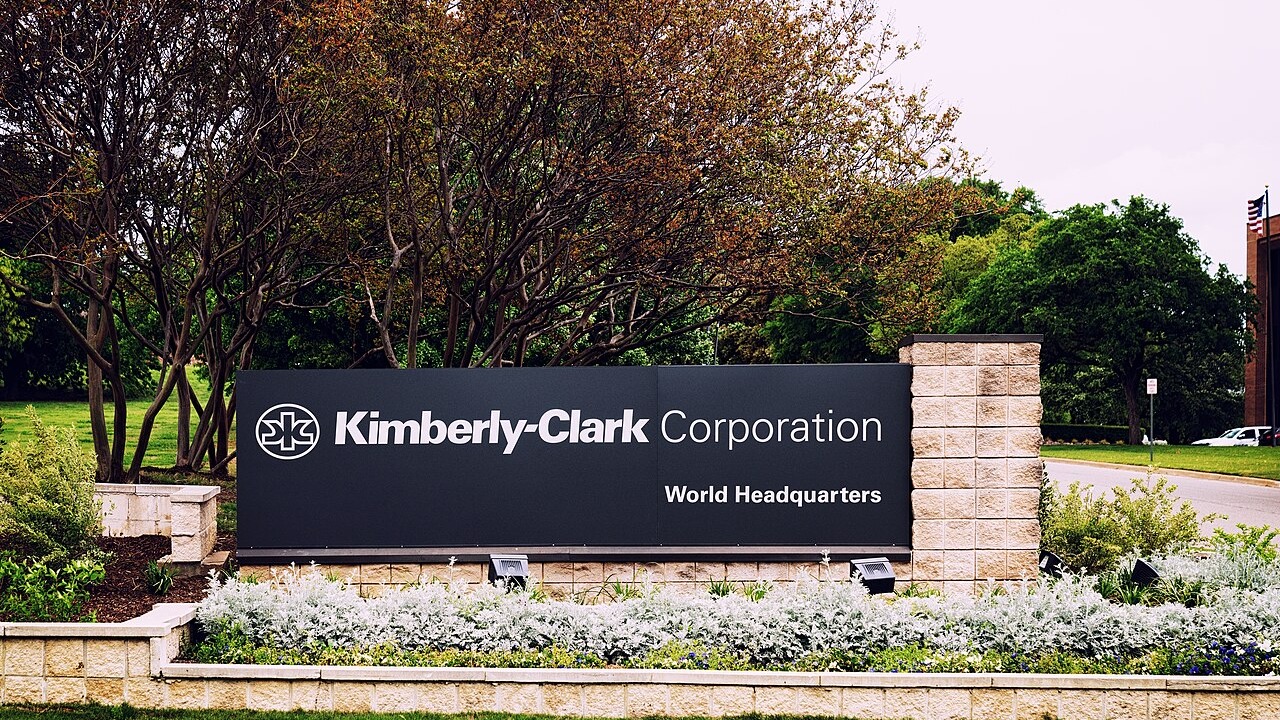
Current and former Kimberly-Clark employees stand to recover a share of $2.25 million after the consumer-goods giant finalized a settlement over allegations that excessive fees eroded retirement savings inside its 401(k) and Profit Sharing Plan. The agreement closes a dispute centered on whether the company failed to control the costs charged to workers who trusted their employer to manage plan expenses responsibly. With the plan’s latest audited financial statements now on file with federal regulators, the settlement arrives at a moment when the scale of the fee drag and the governance decisions behind it are part of the public record.
Why the $2.25 million 401(k) fee payout matters right now
The core allegation was straightforward: Kimberly-Clark allowed plan participants to absorb fees that a diligent fiduciary would have negotiated down or eliminated. In large employer-sponsored retirement plans, even small differences in expense ratios compound over years and reduce account balances by thousands of dollars per worker. The $2.25 million figure represents the company’s agreed-upon remedy for that cumulative cost, as reflected in coverage from Bloomberg reporting.
The timing of the resolution is notable. On June 23, 2026, the Kimberly-Clark Corporation 401(k) and Profit Sharing Plan filed its latest Form 11‑K disclosure with the U.S. Securities and Exchange Commission. That filing contains audited financial statements, notes on plan assets, and disclosures about investment options and expenses. Together, these records establish the plan’s size and the governance framework that plaintiffs challenged. The settlement landing alongside a fresh public audit creates a clear paper trail for anyone evaluating whether the payout reflects the actual harm.
A $2.25 million settlement in a large-employer 401(k) case suggests the parties reached a number calibrated to documented fee levels rather than speculative damages. Prolonged discovery would have required Kimberly-Clark to open internal records on vendor selection, revenue-sharing arrangements, and fee benchmarking. Settling at a fixed amount tied to audited plan data allowed the company to limit exposure while delivering a concrete recovery to affected participants. For workers, even modest checks can represent a meaningful restoration of savings that would otherwise have been lost to opaque charges.
Audited plan records and the fee dispute trail
The 11-K filing is the strongest public window into how the plan operated. By law, it includes audited statements prepared under generally accepted accounting principles, covering net assets available for benefits, changes in those assets, and notes that detail investment holdings and administrative expenses. Revenue-sharing payments from fund managers back to the plan or its recordkeeper are typically disclosed in these notes, and those payments sit at the center of most excessive-fee claims.
Plaintiffs in cases like this argue that fiduciaries kept higher-cost share classes of mutual funds when cheaper institutional alternatives existed, or that revenue-sharing arrangements benefited service providers at participants’ expense. The audited numbers in successive annual filings can reveal whether expense levels stayed flat, rose, or dropped after a lawsuit was filed. That year-over-year pattern is often the strongest evidence available to both sides when calculating damages or negotiating a settlement figure.
Kimberly-Clark, which manufactures household brands including Huggies and Kleenex, employs tens of thousands of workers across the United States and abroad. For a workforce of that scale, the retirement plan functions as a core benefit and a primary vehicle for long-term savings. The 11-K shows the aggregate assets those employees have accumulated, the mix of investment options offered, and the administrative costs that were at issue in the litigation. When fees are even slightly higher than necessary, the impact is magnified across a large participant base and over decades of compounding.
Legal disputes over retirement-plan fees increasingly hinge on comparisons to peer plans. Plaintiffs typically point to lower-cost index funds, institutional share classes, and alternative recordkeepers that serve similarly sized employers. Defendants counter that service levels, technology, and participant education justify the chosen arrangements. Audited filings, like the one Kimberly-Clark submitted, provide the raw data for those comparisons and help courts and mediators assess whether the plan’s costs were out of line.
What the settlement signals for plan sponsors and workers
For plan sponsors, the Kimberly-Clark settlement is another reminder that fiduciary oversight is not a one-time exercise. Committees must periodically review investment menus, renegotiate contracts, and document why particular funds and providers remain in place. Failing to demonstrate a disciplined process can expose even well-intentioned employers to litigation risk and, ultimately, cash settlements that shareholders and insurers must absorb.
For workers, the case underscores the importance of paying attention to the fine print in retirement-plan materials. Expense ratios, recordkeeping charges, and revenue-sharing credits all show up in plan disclosures, though often in technical language. Participants who compare those numbers against independent benchmarks or consult with an advisor can better gauge whether the fees in their own plan appear reasonable. When they do not, internal escalation or, in some instances, legal action can push sponsors to make changes.
The broader retirement industry is watching. Service providers compete aggressively for large corporate plans, and public settlements create pressure to sharpen pricing and simplify fee structures. Consultants and advisors who work with fiduciary committees are likely to cite the Kimberly-Clark outcome as yet another data point when urging clients to move toward lower-cost investments and more transparent arrangements.
As fee litigation continues, specialized legal and financial teams will keep parsing documents like Kimberly-Clark’s 11-K and similar filings. Firms that support institutional investors and plan sponsors often invite inquiries through dedicated professional contact channels, reflecting the growing demand for expertise at the intersection of securities disclosure, fiduciary duty, and employee benefits. The Kimberly-Clark settlement, arriving in tandem with fresh audited data, illustrates how that nexus of law, finance, and governance now shapes the retirement outcomes of millions of American workers.
Free tool for readers: Curious where your retirement stands on a 0–100 scale? You can get your free Retirement Safety Score in about five minutes — no account, no bank details, just your number and a few steps to improve it.