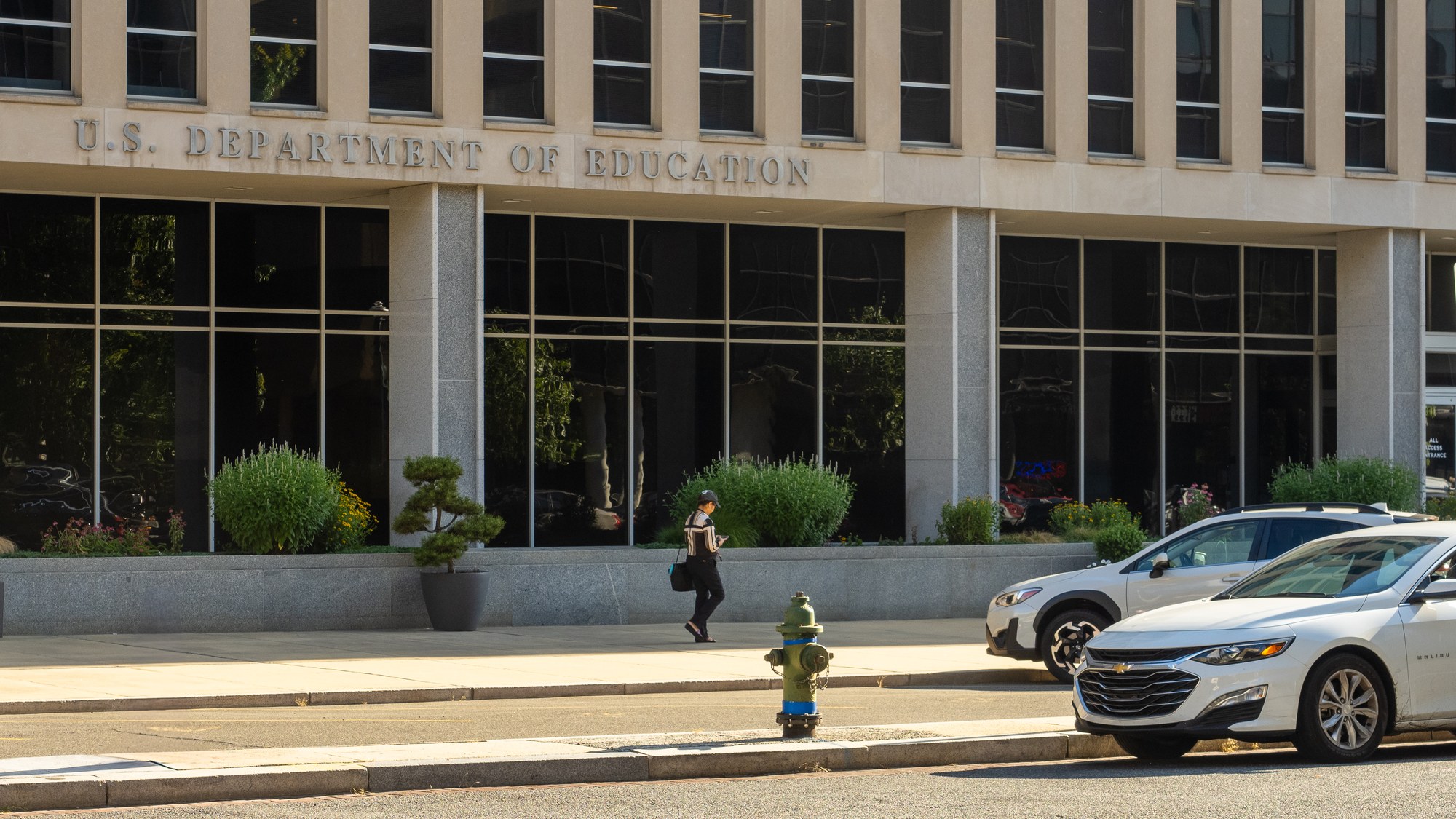
Borrowers with a federal loan first disbursed on or after July 1, 2026 must repay their eligible Direct Loans under one of two plans, the Repayment Assistance Plan (RAP) or the Tiered Standard Plan. The Education Department says the requirement turns on the disbursement date, not on borrower preference, and a single qualifying loan is enough to pull a borrower’s whole eligible balance into the two plans.
The older income-driven plans remain open only to loans disbursed before that date. In the week of October 1, 2026, the department also added the Repayment Assistance Plan to its paper income-driven repayment application, which had omitted it since the plan launched in July.
The July 1, 2026 disbursement test
Education Department guidance, quoted in Forbes reporting on the application change, says a borrower with at least one loan first disbursed on or after July 1, 2026 is “required to repay all of” the eligible Direct Loans under the Repayment Assistance Plan (RAP) or the Tiered Standard repayment plan. Forbes is cited here only because the department published no release for the October form update, and the paper-form change rests on that one report.
The year matters. The rule covers loans first disbursed on or after July 1, 2026, the date both plans became available. Loans disbursed earlier are not caught by it, and borrowers who hold both older and newer loans are treated by the test as new borrowers for all of their eligible Direct Loans.
Repayment Assistance Plan and Tiered Standard Plan are the only two options
The Education Department’s March 27, 2026 release announced the new Repayment Assistance Plan, to launch July 1, and the Tiered Standard Plan, available July 1, 2026. Under Secretary Nicholas Kent said in that release that borrowers who take out a loan “must pay it back.” The release came in the context of ending the SAVE Plan for 7.5 million enrolled borrowers, who were told to move to a legal plan within at least 90 days.
A repayment plan comparison from Edfinancial Services, a federal loan servicer, says that for loans first disbursed on or after July 1, 2026 there are only two options. It describes RAP as “the only Income-Driven Repayment plan available” to a borrower with such a loan, and the Tiered Standard Plan as the only plan available for Direct Parent PLUS Loans of that kind. No third option appears in the guidance read for this report.
The two plans work differently. RAP payments are a percentage of adjusted gross income, not more than 10 percent, divided by 12, with a $50 reduction per dependent and a floor of $10 a month. Balances are forgiven after 30 years of qualifying payments, and forgiven amounts may be taxable. The Tiered Standard Plan carries fixed payments with a term set by the total balance, according to Edfinancial’s lower payment options page: 10 years under $25,000, 15 years from $25,000 to $50,000, 20 years from $50,000 to $100,000, and 25 years at $100,000 or more. The same page says the Tiered Standard Plan does not qualify for Public Service Loan Forgiveness. It also says borrowers affected by the end of SAVE were to be notified between July 1 and August 15, 2026 and given 90 days after notification to choose another plan, a separate track from the disbursement-date rule that governs new loans.
What happens to the older income-driven plans
The comparison page says Income-Based Repayment, Income-Contingent Repayment and Pay As You Earn remain available only for loans disbursed before July 1, 2026, and that the SAVE Plan ended by court order on March 10, 2026. Because the disbursement test sweeps every eligible Direct Loan into RAP or the Tiered Standard Plan once one new loan is taken, a borrower with older loans who borrows again after July 1, 2026 loses access to those older plans for all eligible Direct Loans, according to the department’s wording.
The Tiered Standard Plan does not base payments on income, so RAP is the only income-driven choice for these borrowers. For a Parent PLUS borrower the Tiered Standard Plan is the only plan on those loans. Any other borrower who wants payments tied to earnings has one route, and a borrower who prefers a fixed schedule has the other, with the Parent PLUS exception limiting that borrower to the fixed plan.
The paper application gap that closed in October
Forbes reports the Education Department updated the paper income-driven repayment application the week of October 1, 2026 to include RAP. The plan had been available through the online application since its July launch, but its absence from the paper form left a gap for borrowers who cannot apply online. The change matters mainly for applicants relying on paper, since the online route already listed the plan.
The department has not issued a standalone notice about the form, so the change is documented only by that report. Its guidance on the underlying rule, the July 1, 2026 disbursement test, rests on the department’s own language and on the March release that set the launch date.
Eleven benefit programs and their 2026 income limits in one guide
The Benefits Checklist is meant for older Americans who suspect they are missing out on assistance and want the programs laid out with their income limits in one place. It is built for households stretching a fixed income across food, heating, medicine and property tax bills.
The Benefits Checklist is a 69-page guide that walks through 11 benefit programs, including Extra Help for prescriptions, SNAP food benefits at 60 and over and LIHEAP heating and cooling help, alongside the 2026 income limits and a 50-state phone directory.
Download The Benefits Checklist and its printable tracker →
An AI model helped draft this piece from the Education Department documents and reporting cited in it, and every figure was re-read against those sources before it went up.