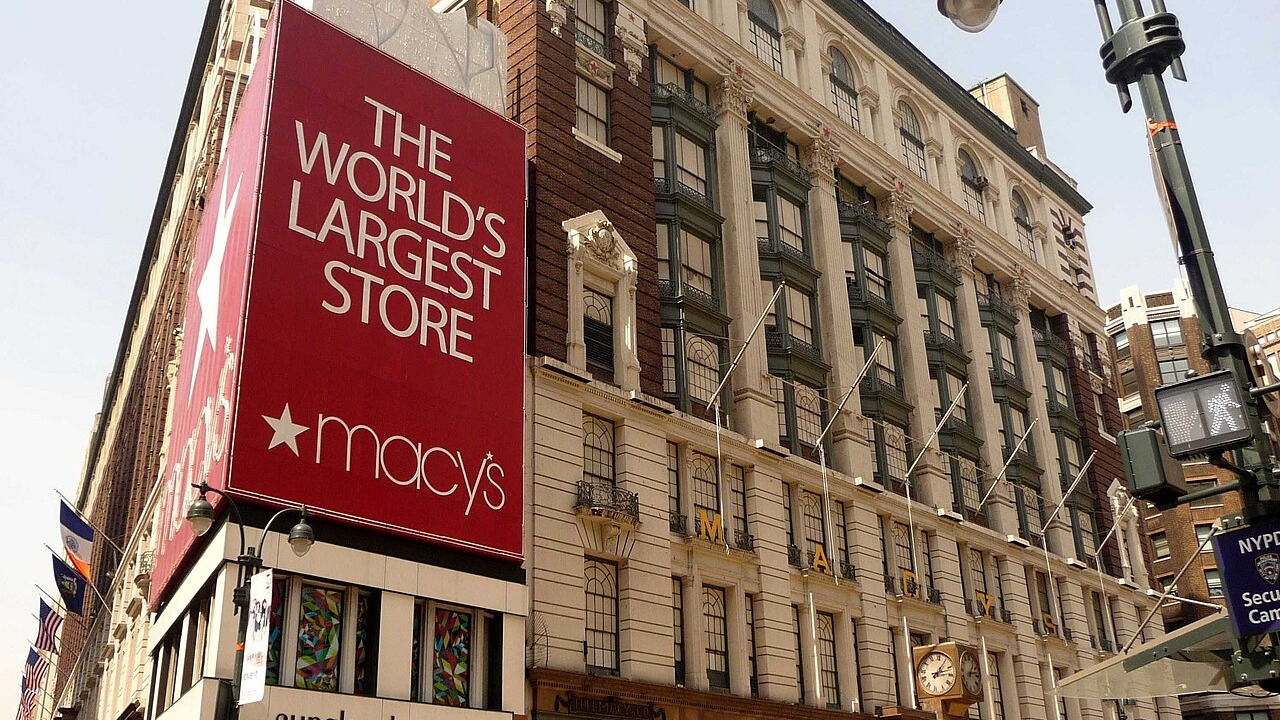
Macy’s plans to shut 150 of its namesake stores over three years, with roughly 50 locations expected to close by the end of 2024. The retailer disclosed the strategy in a regulatory filing and an accompanying press release titled “A Bold New Chapter,” framing the cuts as a way to concentrate resources on fewer, higher-performing sites while expanding its Bloomingdale’s luxury brand. For thousands of retail workers and the communities that depend on anchor department stores, the announcement raises immediate questions about job losses, vacant storefronts, and whether a smaller Macy’s can actually become a more profitable one.
Why 150 store closures reshape Macy’s financial bet
The core logic behind the plan is straightforward: Macy’s believes it can lift operating margins by pulling sales volume into a tighter network of stores. Locations slated for closure reportedly generate a larger share of total square footage than they contribute in revenue, which means keeping them open dilutes per-store profitability. Shutting those doors should, in theory, reduce selling, general, and administrative expenses faster than it shrinks the top line.
That theory can be tested in real time. Investors and analysts can track Macy’s quarterly gross-margin and SG&A ratios through fiscal 2027 to see whether the closures actually deliver the efficiency gains the company projects. If margins do not improve meaningfully as the store count drops, the strategy will face scrutiny as a defensive retreat rather than a growth reset.
The company is also redirecting capital toward luxury. Macy’s disclosed plans to open additional Bloomingdale’s stores, a move that signals where management sees durable consumer spending. Department-store foot traffic has been declining for years, and Macy’s appears to be betting that its mid-market banner cannot compete for discretionary dollars the way a luxury nameplate can. A smaller fleet of Macy’s-branded locations paired with an expanded luxury presence could, in management’s view, better match how affluent shoppers still spend on apparel, beauty, and home goods.
SEC filings and the “Bold New Chapter” disclosure
The plan was formally disclosed in a Form 8-K filing with the Securities and Exchange Commission on February 27, 2024. Attached to that filing was the company’s press release, preserved on EDGAR and described as a strategic update, which laid out the closure timeline and the luxury pivot in the company’s own words.
The press release, available on the SEC’s site as a separate company statement, details how Macy’s intends to concentrate investment in what it calls “go-forward” locations. These are stores that already outperform chain averages on sales productivity and customer engagement metrics. Capital spending is slated to favor remodels, upgraded fixtures, and enhanced digital integration in these surviving locations, while underperforming stores are gradually wound down.
The filing confirmed that approximately 50 stores would close by the end of the current year, with the remaining closures spread across the following two years. The three-year window gives Macy’s room to negotiate lease exits, manage inventory wind-downs, and phase workforce reductions. But it also means the full financial impact will not be visible until fiscal 2026 results are reported, likely in early 2027, leaving a multi-year period in which investors must judge progress from partial metrics and management commentary rather than a completed turnaround.
Associated Press reporting corroborated the 150-store figure and added that the targeted locations occupy a disproportionate share of Macy’s total real estate relative to the sales they produce. That detail matters because it suggests the company used a profitability threshold to select which doors to close, though the specific metrics and store-level financials behind those decisions have not been made public. For landlords and municipalities, the concentration of weaker stores in particular malls or regions could translate into clusters of vacancies rather than isolated losses.
What the filings leave unanswered about closures and workers
Several significant gaps remain in the public record. The SEC documents and press materials outline the number of stores and the broad timing, but they do not provide a detailed breakdown of which markets will be most affected or how many employees will ultimately lose their jobs. Macy’s has not, in these filings, committed to specific retraining, relocation, or severance frameworks beyond standard language about supporting associates through the transition.
That omission leaves workers and local officials to read between the lines. A phased closure schedule may allow some employees to transfer into open roles at remaining stores or within the Bloomingdale’s network, yet such opportunities will depend heavily on geography. Communities where Macy’s serves as a primary mall anchor may see knock-on effects if reduced traffic pressures smaller in-line tenants or prompts other chains to reconsider their leases.
The filings also do not fully address how the company will handle large-format spaces that it no longer needs. Subleasing, subdividing, or selling off excess square footage can mitigate carrying costs, but each option requires capital and willing partners. The longer vacant boxes sit in regional malls, the harder it may be to maintain the perception that Macy’s is executing a proactive strategy rather than retreating from challenged locations.
For now, Macy’s is asking investors, employees, and communities to accept a trade-off: a leaner store base and expanded luxury presence in exchange for the promise of higher margins and a more focused brand portfolio. The next three years of quarterly filings will show whether that bet pays off in sustained profitability-or whether the closures mark another step in the long contraction of the traditional department-store model.