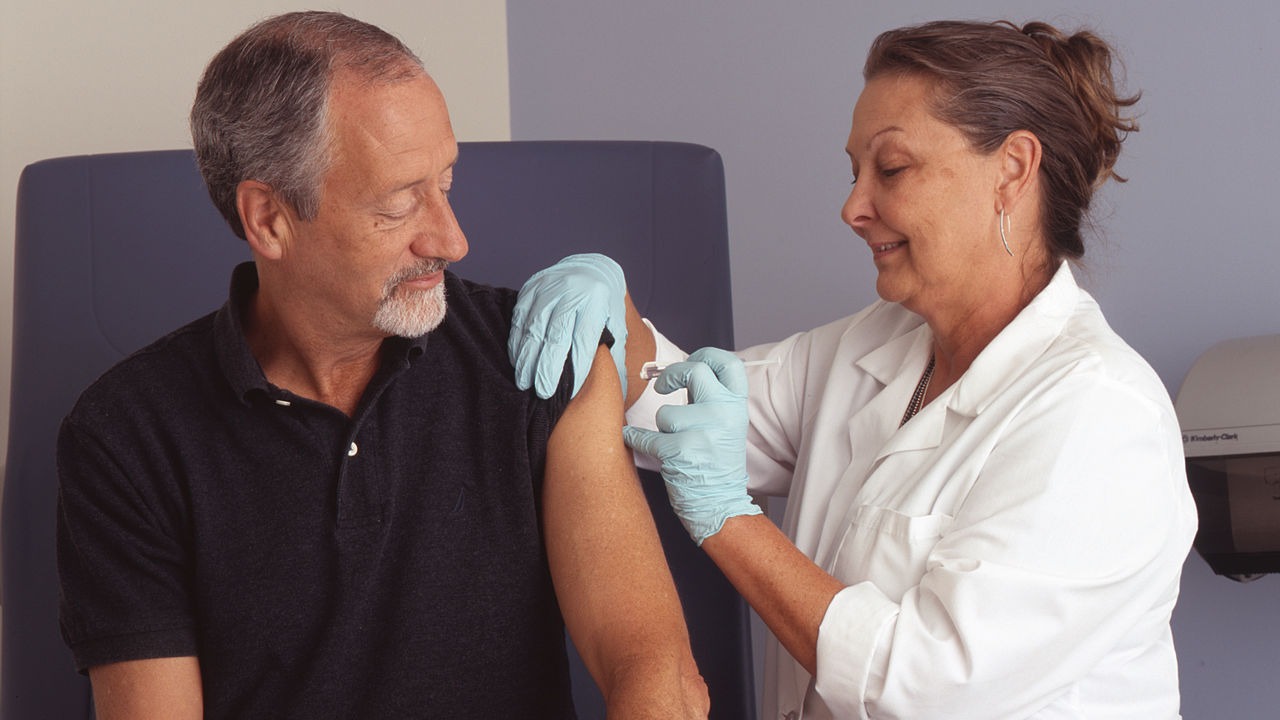
Medicare drug coverage removes out-of-pocket cost for adult vaccines recommended by the federal vaccine advisory committee. That protection includes shingles and RSV vaccines when the recommendation applies to the patient. The zero-dollar rule is broad. Clinical eligibility, where the shot is billed, and the distinction between Part B and Part D still matter.
Free retirement updates: Social Security and Medicare change every year, and nobody sends you a memo. Our free Retirement Shield newsletter breaks down what changed and what to do. Get it free in your inbox.
Which adult vaccines Medicare covers without cost sharing
Medicare divides vaccine coverage between Part B and Part D. Part B covers vaccines such as influenza, COVID-19, pneumococcal, and certain hepatitis B shots. Part D handles commercially available vaccines not covered by Part B, including shingles and RSV vaccines. Medicare’s Part D guidance states the zero-cost vaccine requirement. Medicare’s current Part D page says drug coverage must cover commercially available vaccines when medically necessary to prevent illness and that beneficiaries pay nothing out of pocket for adult vaccines recommended by the Advisory Committee on Immunization Practices. The page specifically lists shingles and RSV among Part D examples.
An ACIP recommendation can depend on age, health conditions, pregnancy status, prior doses, shared clinical decision-making, or other factors. The $0 rule does not mean every adult should receive every vaccine. It means an applicable recommended adult vaccine carries no Part D out-of-pocket charge.
How Part D vaccine coverage changed
Pharmacies routinely bill Part D vaccines directly, but a physician’s office may use a different process. When the office cannot bill the drug plan, the patient may need to use an in-network pharmacy or submit a claim. Checking billing arrangements before the appointment can prevent an avoidable upfront charge. CDC’s vaccine recommendations determine which adult shots qualify. The shingles vaccine is a Part D vaccine rather than the similarly named chickenpox vaccine. RSV recommendations can differ by age and risk and can change as ACIP reviews evidence. The current CDC recommendation should be matched to the patient’s circumstances.
Vaccine administration is included in the cost protection when the Part D rules apply. A separate unrelated office visit may still carry ordinary cost sharing if additional evaluation or services are provided, so a zero-cost vaccine does not necessarily make every part of an appointment free.
Where the claim is sent changes the result
The zero-cost result is similar for several Part B vaccines, but the legal path is different. Medicare’s outpatient-drug coverage page says beneficiaries pay nothing for COVID-19, influenza, pneumococcal, and hepatitis B vaccines when the provider accepts assignment, and the Part B deductible does not apply. Hepatitis B coverage depends on the Medicare criteria. Those shots should not be forced through Part D merely because a pharmacy administers them.
The agency’s Medicare Benefits booklet places Part B and Part D vaccine coverage in the same benefits framework. An itemized receipt should therefore show the vaccine, administration service, benefit billed, and any separate office service. If cost appears, the first question is whether the claim went to the correct Medicare benefit and an eligible billing provider—not whether the federal recommendation was ignored.
Who receives the zero-cost Part D protection
The rule applies to Medicare beneficiaries enrolled in Part D or Medicare Advantage with drug coverage when an ACIP-recommended adult vaccine applies to them. Someone without drug coverage can face a retail charge for a Part D vaccine, while Medicaid or another insurer may provide separate coverage.
Correcting a vaccine charge at the pharmacy
A beneficiary can review the CDC recommendation and ask a treating professional whether the vaccine is indicated based on age, health history, and prior doses. The decision should be recorded in the medical record, especially when shared clinical decision-making is part of the recommendation. Before vaccination, the pharmacy or office can confirm which part of Medicare will be billed, whether the provider is able to process the claim, and whether any non-vaccine service will create a separate charge. No Part D copayment should be collected for an applicable recommended adult vaccine.
If an unexpected vaccine charge appears, the beneficiary can ask for an itemized receipt and the claim code, then contact the drug plan for reprocessing instructions. Retaining the vaccination record also prevents unnecessary duplicate doses. The $0 protection is tied to recommended adult vaccines and Medicare drug coverage. It does not override medical contraindications or guarantee that an unrelated office service is free. The official record directly supports shingles and RSV as Part D examples with no out-of-pocket vaccine cost when the ACIP recommendation applies.
Recommendations can change as new evidence becomes available. That makes the date of the clinical recommendation important, particularly for RSV. A beneficiary looking at an older handout can miss a revised age band, risk condition, or dosing schedule. The current CDC schedule and individual medical record should guide the decision, while the Medicare rule determines cost once the recommended vaccine applies.
Network logistics should not become a hidden barrier. A Part D plan can identify in-network pharmacies that stock the vaccine and can explain whether a physician office can submit the claim electronically. If an office requires payment upfront, the plan should explain reimbursement and the documents needed before the shot is given. Choosing a pharmacy able to bill the plan directly is often the simplest route to the intended zero-dollar result.
Prior vaccination history should be checked in the state immunization registry, pharmacy record, and clinician chart. Repeating a dose unnecessarily is not a financial benefit simply because cost sharing is zero. A consolidated record also helps a clinician determine whether a series is complete and whether spacing requirements have been met.
The zero-dollar rule works through the part of Medicare responsible for the vaccine. Part D plans must cover the adult vaccines recommended by the Advisory Committee on Immunization Practices without cost sharing, while vaccines such as influenza, COVID-19, pneumococcal, and certain hepatitis B shots are generally handled through Part B. A pharmacy claim sent to the wrong benefit can produce an avoidable charge. The useful question is not only whether Medicare covers the vaccine, but which part should receive the claim and whether the pharmacy can bill that benefit directly.
The plan or pharmacy should correct a covered vaccine claim rather than treating the charge as final. A receipt, vaccine name, administration date, and denial message give the plan enough information to identify whether the wrong benefit, billing code, or pharmacy route caused the problem.
This article was researched and drafted with AI assistance and reviewed against the linked primary sources.
More Financial Reading
- The ideal retirement withdrawal rate so your savings actually last
- How many CDs can you park at 1 bank? FDIC rules you must know