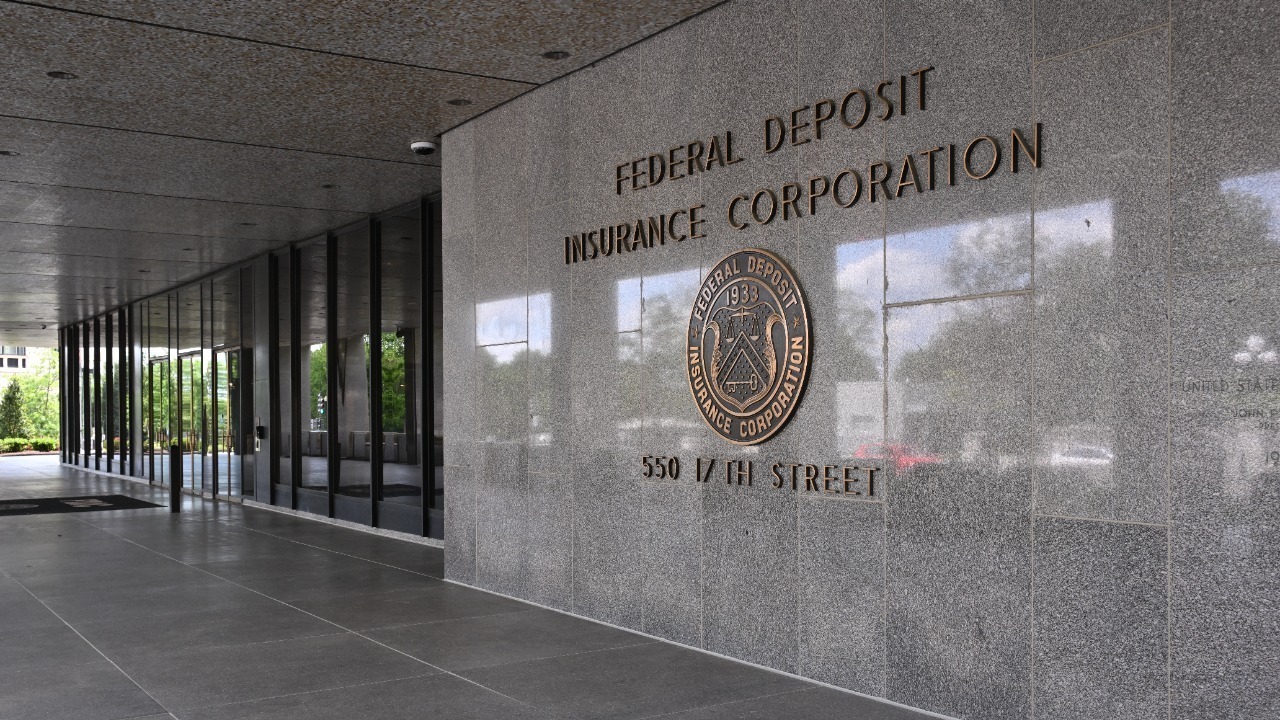
Millions of older Americans keep cash parked in accounts they simply call “money market,” but that label covers two very different financial products with two very different safety nets underneath them. A money market deposit account, opened directly at a bank or credit union, is backed by federal deposit insurance up to strict dollar limits. A money market mutual fund, purchased through a brokerage firm or a fund company, is a securities investment that can lose value and carries no such federal guarantee. The confusion between the two matters most when a retiree rolls a lump sum from a 401(k), an inheritance, or a home sale into what looks like a simple, low-risk place to hold cash.
How FDIC Insurance Covers a Bank Money Market Deposit Account
A money market deposit account, often shortened to MMDA, is a savings vehicle offered directly by a federally insured bank or credit union. Regulators classify it in the same category as a checking or savings account, and that classification is what makes it eligible for federal deposit insurance in the first place. Coverage runs up to $250,000 per depositor, per insured institution, per ownership category, a limit Congress made permanent in 2010 after the financial crisis. A retiree who spreads savings across individual, joint, and retirement-account titles at the same bank can, in many cases, insure a balance well above that headline figure simply by how the accounts are structured.
The insurance behind an MMDA does not depend on how well the bank invests the money it holds; it depends only on the bank’s solvency and its membership in the deposit insurance system. If an insured bank fails, the FDIC steps in directly, typically making insured funds available to depositors within a few business days. Principal in a bank money market deposit account does not fluctuate with securities prices, and while the interest rate paid is usually variable, the dollar amount on deposit does not drop because bond or stock markets had a bad week.
Free retirement updates: Social Security and Medicare change every year, and nobody sends you a memo. Our free Retirement Shield newsletter breaks down what changed and what to do. Get it free in your inbox.
Why the SEC Treats a Money Market Fund as a Security, Not a Deposit
A money market mutual fund is an entirely different legal creature, even though the marketing name sounds nearly identical. According to the U.S. Securities and Exchange Commission’s investor education site, a money market fund pools shareholder cash to buy liquid, short-term debt such as Treasury bills, commercial paper, and repurchase agreements, then passes the income back to shareholders as dividends. Because the fund is organized under the Investment Company Act and regulated as a security rather than as a bank product, it does not carry the deposit protections that apply to an MMDA, no matter how similar the two accounts look on a monthly statement.
Most retail money market funds aim to hold a stable net asset value of $1.00 per share, a design choice that can make the fund feel exactly as safe as cash sitting in a bank. The SEC’s own guidance is direct on this point: money invested in a money market fund is not guaranteed by the FDIC the way a bank account is, and a shareholder can lose some or all of the money placed in the fund. Government money market funds, which hold mostly Treasury and federal agency debt, are widely viewed as lower-risk than prime funds that hold corporate commercial paper, but neither type carries federal deposit insurance of any kind.
The 2008 Episode That Exposed the Risk in Practice
The risk is not merely theoretical, and it has a documented precedent. In September 2008, the Reserve Primary Fund, a large prime money market fund, held short-term debt issued by Lehman Brothers. When Lehman Brothers collapsed, the fund’s net asset value fell to 97 cents per share, an event the industry calls “breaking the buck.” It was only the second time in the history of money market funds that a fund had failed to hold its $1.00 share price, and the episode triggered a wave of withdrawals across the broader fund industry serious enough that the U.S. Treasury and Federal Reserve intervened to calm the market.
That episode pushed the SEC toward tighter rules on what money market funds may hold and how quickly they must be able to convert assets into cash, reforms discussed in the agency’s updated investor bulletin on money market funds. Even with those reforms in place, the underlying legal fact has not changed in the years since: a money market fund share represents an ownership interest in a portfolio of securities, and that portfolio’s value can move, however modestly in normal markets, based on the performance of the debt the fund holds.
What Protection Actually Applies If a Brokerage Firm Fails
Investors sometimes assume that Securities Investor Protection Corporation coverage closes the gap the FDIC leaves open for a money market fund. It does not, at least not in the way many retirees hope. SIPC protection restores missing cash and securities to customers of a failed brokerage firm, up to set dollar limits, when the brokerage itself collapses or mishandles customer property. It does not protect a shareholder against a money market fund losing value because the securities it holds performed poorly; that is a market risk the fund shareholder bears directly, not a custodial failure SIPC exists to remedy.
The Federal Deposit Insurance Corporation lists money market mutual funds among the products it does not insure, alongside stocks, bonds, and annuities purchased through a bank-affiliated broker, a distinction the agency spells out for consumers who assume anything sold inside a bank branch carries the same federal guarantee as a savings account. A retiree comparing offers at a bank or brokerage can ask, in plain terms, whether a given account is titled as a deposit or as a fund, and can request written confirmation of FDIC status before treating any cash balance as fully risk-free.
This article was produced with AI assistance and reviewed by The Financial Wire editorial team.
More Financial Reading
- The ideal retirement withdrawal rate so your savings actually last
- Bank statements: how long to keep them and when to toss them