Payment apps have become a routine way to split a restaurant bill, send money to a grandchild, or collect a refund, and it is easy to let a balance sit in one for weeks or even months. The apps look and feel like bank accounts, complete with a running balance, transfers, and a debit card. But the money resting inside many of them does not automatically carry the federal deposit insurance that protects cash in a traditional bank. If the company behind the app runs into trouble, that gap can turn a convenient balance into a frozen or vanished one.
What federal deposit insurance actually covers
Deposit insurance is a specific promise with specific boundaries. The Federal Deposit Insurance Corporation guarantees deposits held at insured banks, up to $250,000 per depositor, per insured bank, for each ownership category, and it protects that money if the bank itself fails. Credit unions carry the same $250,000 guarantee through the National Credit Union Administration.
The crucial word is bank. The insurance attaches to deposits at an insured institution, not to any place that happens to hold a balance, as the FDIC explains in its overview of deposit insurance. A payment app is usually not itself a bank, and that distinction, invisible on a phone screen where the numbers look identical, is exactly where the protection can quietly disappear.
Free for readers: For plain-English help keeping more money in retirement, the free Retirement Shield newsletter covers scams, benefits, and money owed, a couple times a week. Subscribe free.
Why an app balance may not be insured
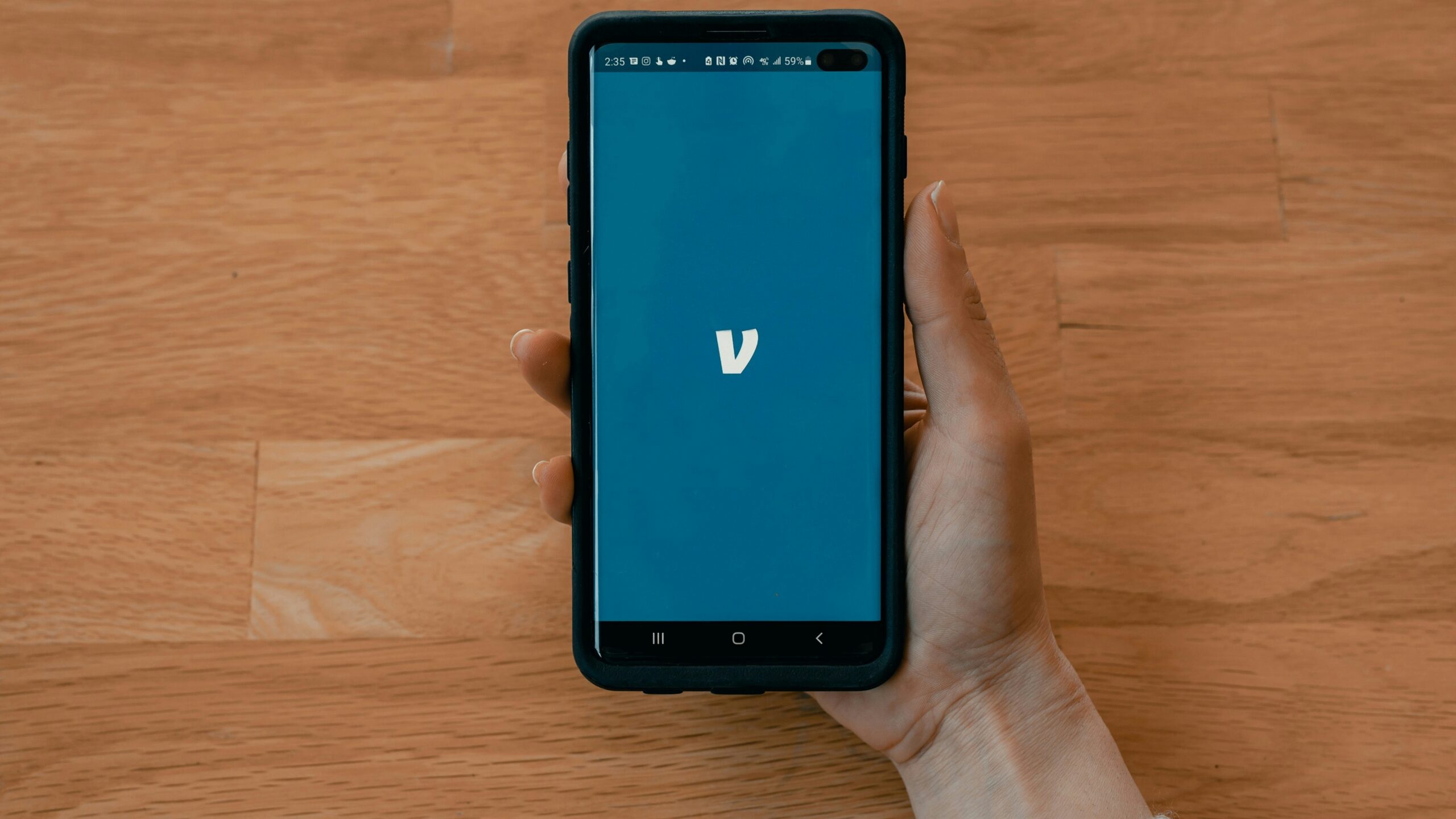
The Consumer Financial Protection Bureau has warned directly that funds stored in nonbank payment apps are generally not protected by deposit insurance the way money in a bank account is. In an advisory on the risk, the bureau cautioned that balances left in apps such as Venmo, Cash App, and PayPal may not keep funds safe, because those companies are not banks and the money is often invested or held in ways that do not extend insurance to the individual user, according to the CFPB’s warning.
There is an important exception. Some apps sweep user balances into a partner bank, and when that happens correctly, the funds can qualify for pass-through insurance at that bank. But the coverage is conditional. It depends on where the money actually sits, whether the partner bank is properly named and insured, and whether specific recordkeeping requirements are met. A balance that has not been swept, or has only been swept for some purposes, may carry no federal insurance at all, even though the app presents it in the same tidy dollar figure.
Part of the confusion comes from the way some apps blur the line. A single app may offer both an ordinary spending balance, which may not be insured, and a separate savings feature or account provided through a partner bank, which can be. The two can sit side by side under the same login and look almost identical, yet only one carries the federal guarantee. A user who assumes the whole account is protected because part of it is can be left exposed on the uninsured portion without ever realizing the distinction exists.
A real-world warning
The danger stopped being theoretical in 2024. When Synapse, a financial-technology middleman that connected consumer apps to banks behind the scenes, collapsed that year, large numbers of people who had trusted app balances suddenly could not reach their money. Funds were frozen for months as courts and companies argued over who was responsible and where the money had gone.
The episode illustrated the exact gap the CFPB flagged. Customers had assumed their balances were as safe as bank deposits, but because the money moved through a nonbank intermediary rather than sitting plainly in an insured account, the usual guarantee did not snap into place when the arrangement failed. The lesson was not that every app is unsafe, but that the safety of a balance depends on plumbing the user cannot see from the app screen.
What made that failure so damaging was that the affected customers had done nothing wrong and had no obvious way to spot the risk in advance. The money appeared in their apps as a normal balance right up until access was cut off, and untangling which institution actually held which dollars took months of legal wrangling. For anyone relying on that balance to cover rent, groceries, or a prescription, the delay itself was the harm, regardless of whether the funds were eventually recovered.
How to check and what to do
For retirees, the stakes are higher than for a younger user shuffling small amounts between friends. An older household may keep an emergency cushion or a chunk of monthly income in an app for convenience, and a frozen balance at the wrong moment can mean missed rent or an unpaid medical bill. A few habits sharply reduce that exposure.
Checking is not complicated, but it does require looking past the balance on the screen. The relevant details are usually spelled out in the app’s terms or a deposit-insurance disclosure, which should name the partner bank and state the conditions under which pass-through coverage applies. If an app cannot clearly say that a balance is held at a named, insured bank in the user’s own name, the safest assumption is that the money is not federally insured while it sits there.
- Treat a payment app as a way station, not a savings account. Move balances out promptly rather than letting them accumulate.
- Read the app’s disclosures to see whether balances are swept into a named partner bank and whether pass-through insurance applies, and under what conditions.
- Keep the money meant to be safe in an account held directly at an FDIC-insured bank or an NCUA-insured credit union, where the $250,000 guarantee is unambiguous.
None of this means abandoning the convenience these tools offer for quick, everyday transfers. It means matching the size of a balance to the protection behind it. A modest amount cycling through an app to pay for small purchases is one thing; a large sum parked there because moving it felt like a chore is another. The money a household is counting on to be there tomorrow belongs where federal insurance clearly stands behind it, not where a balance merely looks like a deposit.
Free for readers: Scam calls targeting retirees change every week. The free Retirement Shield newsletter flags the ones going around and the one tell that stops each. Sign up free.
This article was researched and drafted with AI assistance and reviewed against the linked primary sources.