Moody’s chief economist Mark Zandi has warned that the probability of a U.S. recession is “uncomfortably high and rising,” a phrase that carries extra weight given the softening signals in recent federal labor data. The March 2026 Employment Situation report showed payroll growth slowing and the unemployment rate ticking upward, feeding a debate over whether the economy is merely cooling or tipping into contraction. With the Federal Reserve still balancing inflation control against growth, and the official recession-dating body yet to weigh in, the next two monthly jobs reports could settle the question for millions of workers and businesses.
Softening labor data behind Zandi’s recession warning
Zandi’s assessment rests on a straightforward reading of the job market. When hiring slows and unemployment climbs in tandem, the historical pattern points toward recession. The March payroll data documented exactly that combination: weaker payroll additions alongside a rising unemployment rate. Those readings are the same data points the Federal Reserve, Wall Street forecasters, and the government’s own recession-dating panel watch most closely.
A useful stress test sharpens the stakes. If the unemployment rate in the next two BLS releases exceeds the March 2026 level by 0.4 percentage points, and if weekly initial jobless claims stay above their 2025 average, the conditions would closely mirror past episodes that the National Bureau of Economic Research later classified as recession starts. That 0.4-point threshold echoes the logic of the Sahm Rule, a real-time recession indicator built on exactly this kind of unemployment acceleration. The trigger has not been met yet, but the margin of safety is shrinking with each report.
Federal Reserve Chair Jerome Powell laid out the central tension years ago in a speech on price stability, acknowledging that aggressive rate policy could produce a hard landing. That trade-off remains live. If the Fed holds rates at restrictive levels while the labor market deteriorates, the risk Zandi flagged could convert from probability into reality before policymakers can reverse course. Conversely, cutting rates too quickly could reignite inflation pressures, leaving officials with little room to respond if growth stalls further.
What two jobs reports will decide
The NBER dating committee is the only body that officially declares when a U.S. recession has started or ended. It does not rely on a single formula or a two-quarter GDP rule. Instead, the committee examines a cluster of indicators, with employment, real personal income, and industrial production carrying the most weight. That process typically takes months, meaning the economy could already be in recession before any formal announcement.
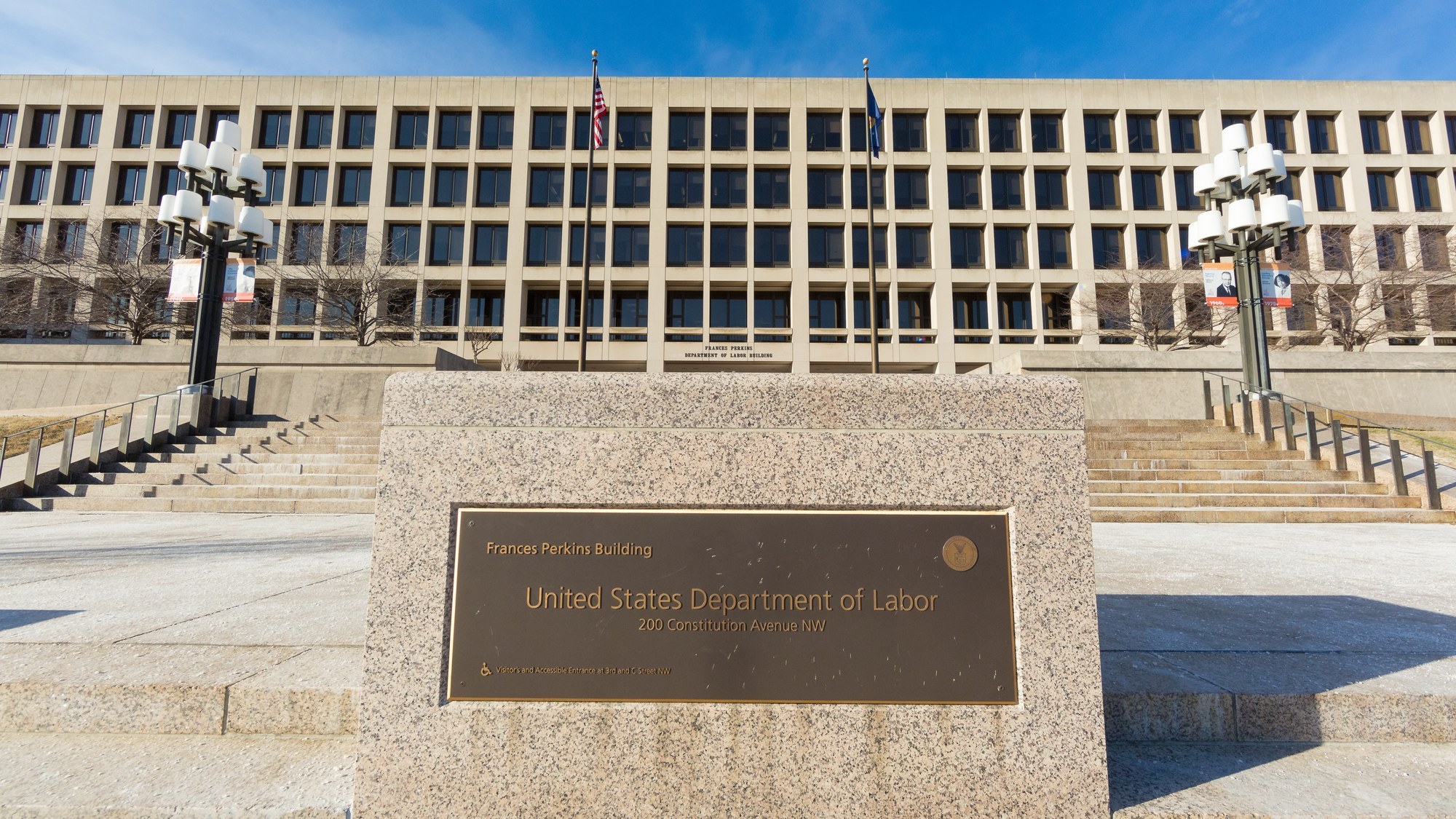
For workers, investors, and business owners, the practical signal arrives faster through the monthly employment reports. The April and May 2026 releases will either confirm that the March softness was a one-off pause or show a sustained deterioration that aligns with Zandi’s warning. A sustained rise in jobless claims, tracked weekly by the Department of Labor, would add a second confirmation channel. Both data series feed directly into the committee’s eventual judgment.
Several questions remain open. Zandi’s specific model outputs and the probability estimates behind his “uncomfortably high” label have not been published alongside the warning. Without those technical details, outside observers cannot fully replicate his forecast or test alternative assumptions about productivity, labor-force participation, or future Fed moves. Still, his comments line up with the visible trend: a job market that is no longer clearly overheating and may be losing momentum faster than policymakers anticipated.
For households, the distinction between a slowdown and a recession is less academic than it sounds. If the unemployment rate drifts higher but remains contained, most workers keep their jobs, and wage gains, though slower, can still outpace inflation. In a recession, layoffs become broader, hiring freezes spread, and people who lose work stay unemployed longer. That difference shapes decisions about big purchases, small-business expansions, and whether to tap savings or take on new debt.
Businesses are already adjusting to the uncertainty. Companies that struggled to hire in 2024 and 2025 have become more cautious about adding headcount, preferring temporary or part-time roles that can be scaled back quickly if demand weakens. Capital spending plans are being revisited, with some firms delaying factory expansions or technology upgrades until there is clearer evidence that growth will either stabilize or slide decisively into contraction.
Financial markets, for their part, are treating the upcoming labor reports as potential inflection points. A sharper-than-expected weakening in payrolls or a rapid rise in unemployment could push investors to bet on earlier and deeper rate cuts, pulling down long-term yields but also signaling diminished confidence in corporate earnings. Stronger data, by contrast, might relieve immediate recession fears while reviving questions about how long restrictive policy must stay in place to keep inflation under control.
Ultimately, the next two jobs reports will do more than validate or refute a single economist’s warning. They will help determine whether the U.S. economy is navigating a delicate downshift or sliding toward a downturn that will test households, businesses, and policymakers simultaneously. Until that evidence arrives, the recession risk Zandi describes will remain uncomfortably high-and uncomfortably uncertain.