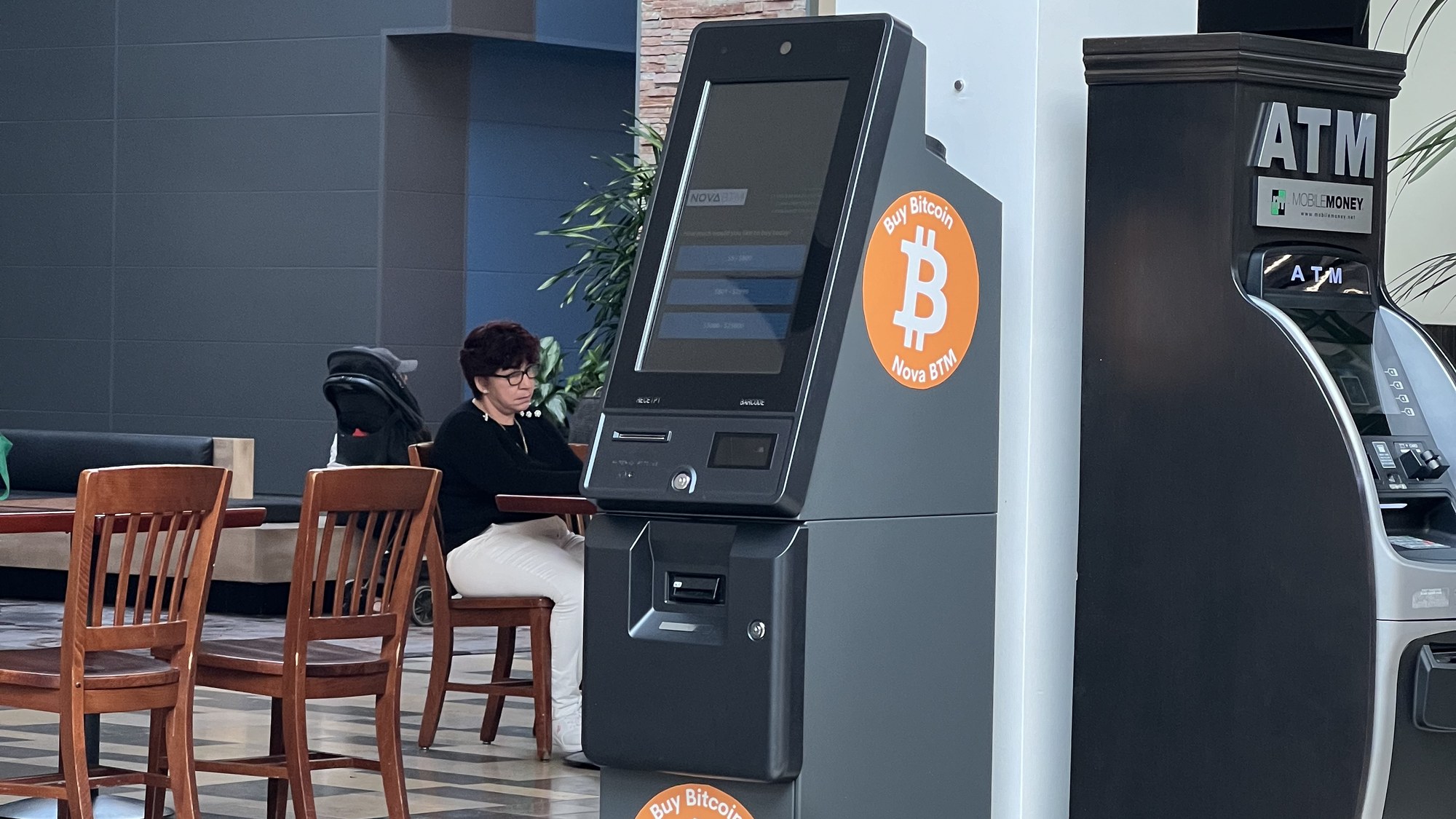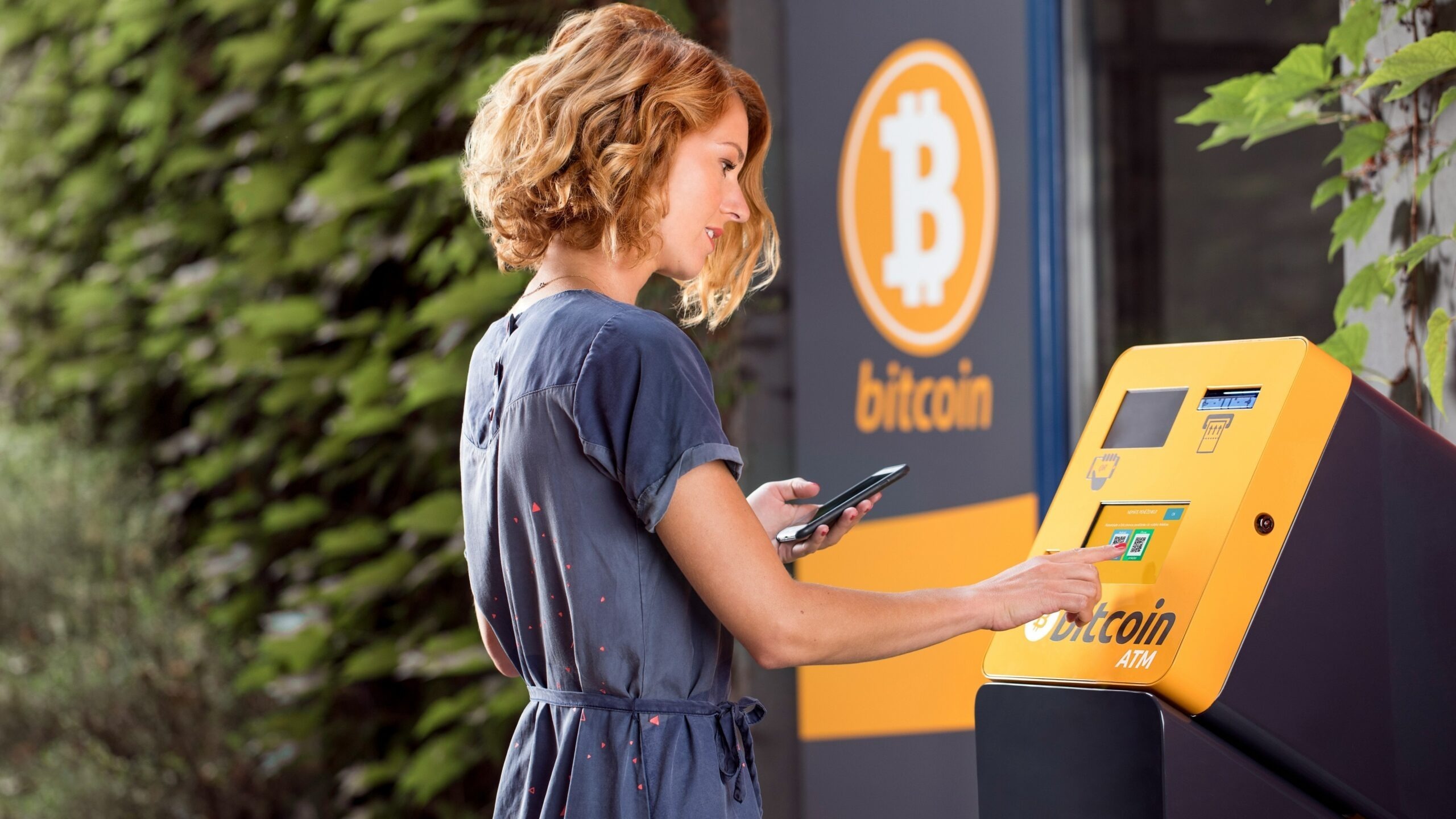
A cryptocurrency machine bolted to the wall of a gas station or grocery store looks a lot like an ordinary cash machine, and scammers count on that resemblance. Their script is nearly always the same: a caller warns that an account has been hacked or a Social Security number is tied to a crime, then insists the only way to keep the money safe is to withdraw cash and feed it into a nearby crypto ATM. The instruction is the tell. No real bank, agency, or investigator moves someone’s savings by having them convert it to Bitcoin at a kiosk.
The “keep it safe” call that ends at a kiosk
These schemes open with fear and a deadline. Someone posing as a bank’s fraud department, a federal agent, or a computer-security technician claims the target’s funds are in immediate danger and offers to help move the money to a “secure” or “government” wallet. To hold the person off balance, the caller frequently stays on the phone through the entire trip to the machine, dictating each step of the deposit so there is no moment to stop and ask anyone for a second opinion.
The cash is gone the instant it goes in. The FTC states flatly that there is no legitimate reason for someone to send a person to a Bitcoin ATM, and that a government agency will never do so; once the bills are deposited and converted, the value moves straight into the scammer’s digital wallet. Because crypto transfers are not reversible the way a card charge can be disputed, the money is almost never recovered.
Free retirement updates: Scam calls targeting retirees change every week. Our free Retirement Shield newsletter flags the ones going around and the one tell that stops each. Sign up free.
Why older savers draw the pitch
The tactic lands hardest on people with real money to protect and a lifetime of dealing with institutions that sounded official. Retirees often hold their savings in a single bank or brokerage account, so a threat aimed at that one account feels concrete and frightening. The FBI, which tracks how criminals target older adults for fraud, notes that scammers lean on urgency and authority precisely because those pressures short-circuit the pause that would otherwise expose the con.
The dollar amounts can be devastating. Victims are often talked into draining checking accounts, tapping savings, or making several trips over days, feeding thousands of dollars at a time into machines that cap each transaction. Unlike a stolen card, which a bank can often make whole, cash converted to cryptocurrency at a kiosk leaves almost no path back to the account it came from.
The masks the caller wears
The same crypto-ATM demand arrives under many different covers, and recognizing the costume helps a person spot the con early. A caller may claim to be from a bank’s fraud team reporting a breach, a federal agent saying a Social Security number turned up in a crime, a utility threatening to cut off power, or a technician who “detected a virus” after a pop-up warning filled the screen. Some pose as a prize or sweepstakes office requiring a fee, others as a romantic interest met online who needs help moving money. However the story is dressed, it funnels to the same finish: cash converted at a kiosk and sent to a wallet the target will never see.
The requests share a family resemblance too. The caller wants secrecy, speed, and an unusual payment method, and will often coach the person on what to tell a bank teller or ATM operator who grows suspicious. Those coaching moments are among the clearest warning signs, because a legitimate institution has no reason to script what a customer says to anyone else.
The rules that never bend
A few facts hold no matter how convincing the caller sounds. Government agencies, banks, and law-enforcement offices do not ask anyone to buy cryptocurrency, and they do not describe a crypto ATM as a way to “protect,” “verify,” or “insure” funds. A legitimate institution will also never demand that a problem be solved in the next hour, or insist a person stay on the line and tell no one while they run an errand with a stack of cash.
The safe response is to end the call and start over through a trusted channel. Someone who receives such a call can hang up, then reach their bank at the number printed on a statement or the back of a card, or contact the agency the caller claimed to represent through a number looked up independently. A brief pause to ask a relative, a banker, or a trusted friend has stopped many of these transfers before the cash went in, which is exactly why the scammer works so hard to prevent it. Anyone who has already deposited cash into one of these machines can report it to the operator and to the FTC right away; while recovery is rare, fast reporting can occasionally freeze funds before they scatter and helps investigators map the networks behind the kiosks.
This article was researched and drafted with AI assistance and reviewed against the linked primary sources.
More Financial Reading
- Bank statements: how long to keep them and when to toss them
- How many CDs can you park at 1 bank? FDIC rules you must know