Brent crude has dropped to about $93 a barrel after spiking to $114 earlier this year, yet the Strait of Hormuz, the narrow passage that channels roughly a fifth of the world’s seaborne oil, has remained effectively shut to commercial tankers since late February 2026. The price retreat suggests traders are betting on alternative supply routes and strategic reserve releases, but the physical blockage has not eased. That gap between falling spot prices and a closed waterway is the central risk facing refiners, shippers, and consumers heading into April.
Why the $93 price tag hides a deeper supply problem
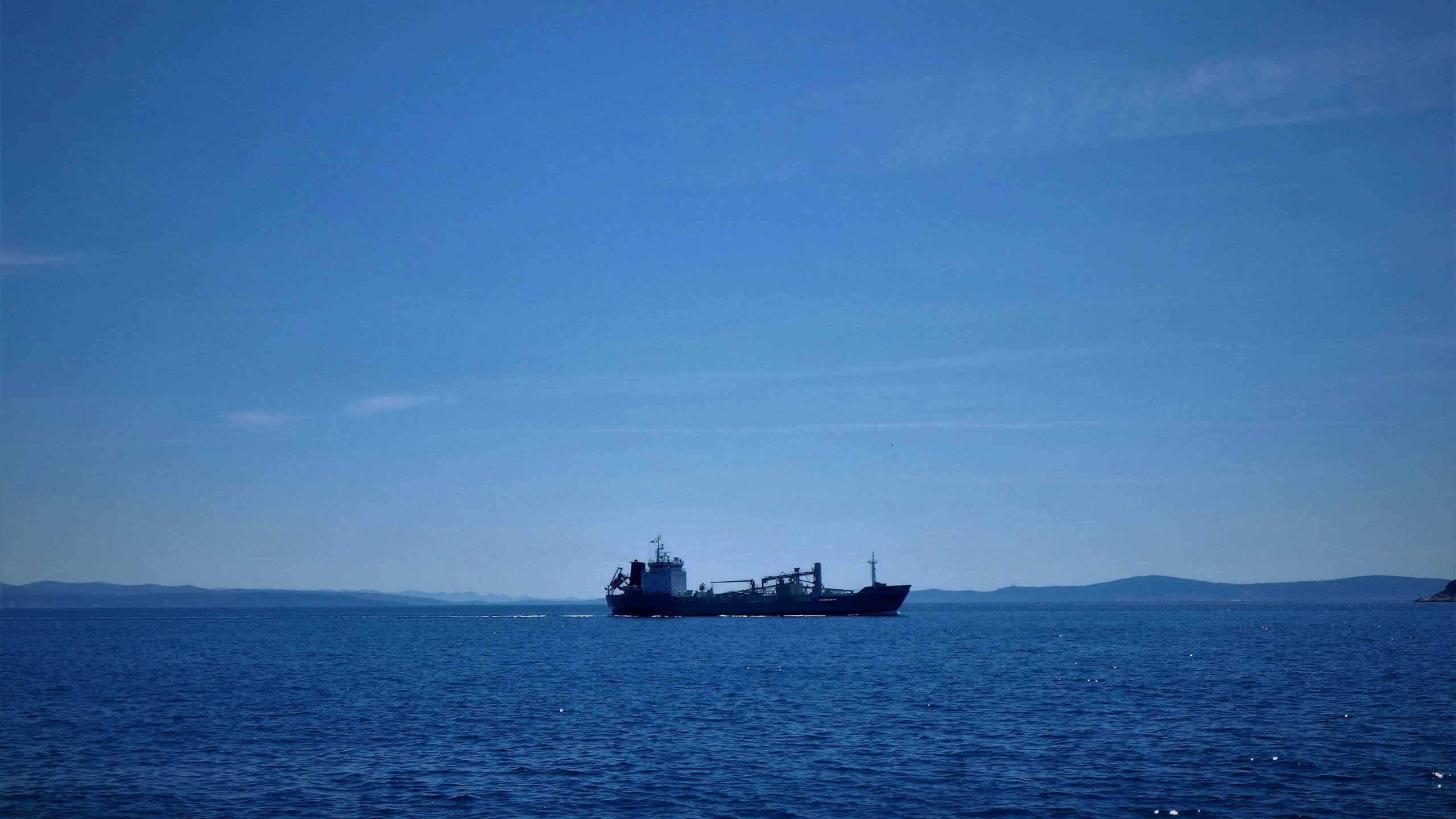
The drop from $114 to about $93 on the Brent spot market looks reassuring on a chart. In practice, the relief is fragile. Tankers that once transited the strait daily are still avoiding it entirely. Shippers and war-risk insurers pulled back after significant military activity began on Feb. 28, 2026, and the U.S. Maritime Administration responded with an advisory requiring American-flagged, -owned, and -crewed vessels to coordinate with NAVCENT NCAGS and consult UKMTO and JMIC advisories before entering the area.
Without a formal escort framework or clearance protocol, operators have no safe path through. Rerouting oil around the Cape of Good Hope or through pipelines with limited spare capacity adds weeks and cost to every cargo. If those workarounds hold, prices stay contained. If a single large disruption, whether a tanker seizure, a mine strike, or a fresh round of Iranian military action, breaks confidence in the alternatives, the market has little buffer. The hypothesis that Brent would retest $105 within two weeks of early April absent new escort arrangements draws its logic from these cumulative rerouting expenses and the thin margin between current supply and pre-war flows.
Physical flows also lag paper sentiment. Traders can mark futures lower on expectations of future barrels arriving via longer routes, but refiners must secure crude they can actually lift and deliver. The longer the strait stays shut, the more inventories at key hubs will be drawn down to bridge the gap. Once those stocks reach operational minimums, any additional disruption can translate quickly into higher prices, regardless of how calm the futures curve appears today.
What the official record shows about the strait’s closure
The MARAD advisory 2026-001A covers the Strait of Hormuz, the Persian Gulf, the Gulf of Oman, and the Arabian Sea. It flags ongoing military operations and the threat of retaliatory strikes by Iranian forces, placing the entire corridor under a heightened risk posture. The alert does not set an expiration date, which means the warning stands until conditions change or a new advisory supersedes it.
MARAD’s language is deliberately cautious, but its practical effect is clear. U.S.-linked operators are told to maintain extreme vigilance, coordinate movements with naval authorities, and prepare for rapidly changing threat levels. For commercial fleets, that combination of uncertainty and liability pushes decision-makers toward the safest option: staying away.
Reporting from Bloomberg describes the strait as largely closed to shipping and outlines the operational steps that would be needed to reopen it, including coordinated naval escorts and port-state clearances that have not yet been arranged. The outlet details how any escort regime would require rules for convoy assembly, handoffs between regional navies, and clear communication channels for civilian masters, none of which are yet in place. In the absence of that architecture, the theoretical ability to move ships through the area remains mostly on paper.
Separately, AP reporting characterizes the waterway as effectively shut since the war started in February 2026, with shippers and insurers treating the route as too dangerous for standard commercial traffic. Neither account identifies a timeline for resumption, underscoring how the closure has shifted from a short-term shock to an open-ended constraint on global oil logistics.
Unresolved questions for oil markets and shippers
Several critical unknowns sit between the current $93 price and the next leg of the crisis. No public data from the U.S. Coast Guard or Iranian port authorities quantifies exactly how many transits have been lost since Feb. 28, so the precise scale of the closure rests on secondary descriptions rather than vessel-by-vessel counts. That opacity makes it harder for refiners and trading houses to judge how long alternative routes can keep pace with demand.
A second uncertainty is how quickly a credible escort system could be assembled if political leaders decided to prioritize reopening the corridor. Analysts describing escort options emphasize the complexity of coordinating multiple navies, deconflicting rules of engagement, and reassuring insurers that risks are genuinely reduced, not merely shifted. Even if such a framework were announced tomorrow, weeks could pass before convoys move at scale.
The durability of current workarounds is the third open question. Rerouted tankers face longer voyages, higher fuel consumption, and tighter port schedules. Pipeline systems that bypass the strait are already running closer to capacity, leaving little slack for further shocks. If any of these channels falter-because of maintenance issues, weather disruptions, or political pressure in transit states-the market could be forced to reprice risk quickly.
For now, the combination of strategic stock releases, demand-side conservation, and optimistic assumptions about future escorts is holding Brent near $93. But the structural reality has not changed: one of the world’s most important energy chokepoints remains effectively closed, and the system is leaning on temporary fixes. Unless clear progress emerges on safe passage through the Strait of Hormuz, today’s relatively modest prices may say more about market hope than about the true resilience of global oil supply.