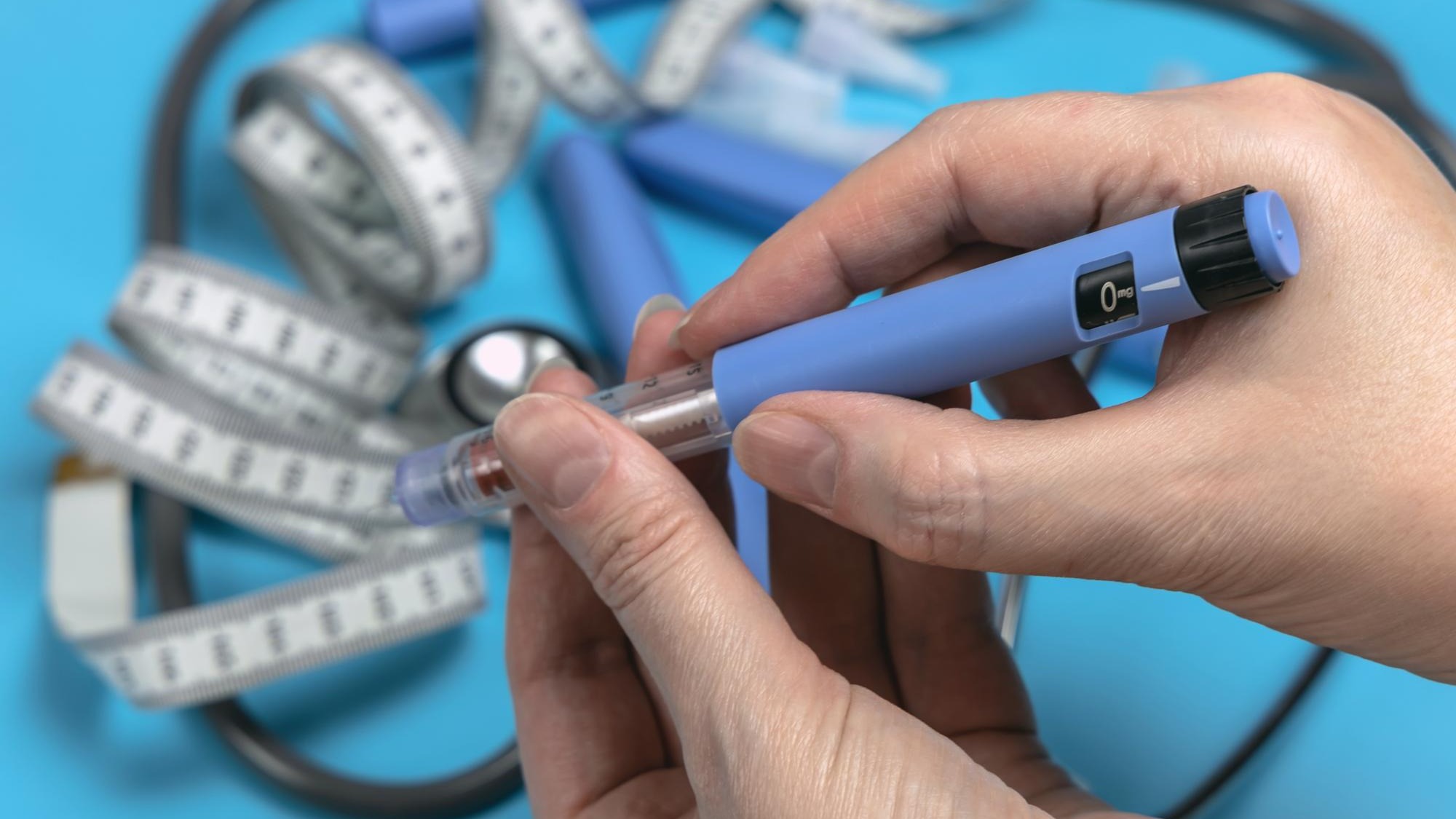
Medicare beneficiaries who rely on Ozempic, Rybelsus, or Wegovy will pay less for those drugs starting January 1, 2027, after the Centers for Medicare and Medicaid Services completed its second round of price negotiations under the Inflation Reduction Act. CMS projects $12 billion in aggregate net savings across the 15 drugs selected for this cycle, a 44 percent reduction from prior price levels. The three semaglutide products, all made by Novo Nordisk, are among the most expensive and widely prescribed medications in Medicare Part D, and the negotiated maximum fair prices will apply across every participating plan rather than through a limited arrangement.
How the 2027 semaglutide price cut reshapes Part D access
The distinction between the 2027 negotiated prices and a separate, earlier agreement matters for millions of seniors. Novo Nordisk disclosed in a federal filing that it reached a deal with the U.S. administration to lower semaglutide prices in Medicare Part D and Medicaid beginning in 2026, including a pilot program that enables Part D coverage for anti-obesity medicines. That 2026 arrangement, however, operates through a narrower channel. The 2027 maximum fair prices, by contrast, are binding on all Part D plans nationwide once they take effect.
This difference in scope is likely to accelerate prescription growth among seniors. Under the pilot, access depends on individual plan participation and benefit design. Under the IRA-negotiated price, every Part D plan must offer the drug at or below the maximum fair price. For a beneficiary whose current plan does not participate in the 2026 pilot, the 2027 price cut is the first time a lower, federally set ceiling will apply to their semaglutide prescription.
Beneficiary cost sharing will still vary by plan, but the negotiated ceiling constrains the underlying price that plans and the federal government pay. That, in turn, is expected to reduce premiums and out-of-pocket expenses over time, especially for patients who take semaglutide chronically for diabetes or obesity. Because these drugs are typically used for months or years, even a modest per-prescription reduction can translate into substantial annual savings for individuals on fixed incomes.
CMS savings projections and Novo Nordisk’s own disclosures
CMS announced the second-cycle negotiated prices with a projected $12 billion in net savings and a 44 percent aggregate reduction across all 15 products, describing the impact for seniors with cancer and other chronic conditions in a detailed agency release. The agency has not published individual maximum fair prices for each drug in dollar terms, releasing instead a fact sheet and explanation documents through its program hub. Novo Nordisk confirmed in its FY 2025 annual report filed with the SEC that the negotiated price for its products in Medicare Part D will go into effect in 2027.
The two timelines, 2026 and 2027, reflect different legal mechanisms. The 2026 agreement is a voluntary deal between the company and the federal government. The 2027 prices flow from the IRA’s mandatory negotiation authority, which HHS first used in 2023 when it selected 15 additional drugs for the second negotiation cycle, with talks conducted in 2025. Novo Nordisk’s own SEC filings acknowledge both tracks without specifying how the voluntary 2026 pricing interacts with the mandatory 2027 ceiling.
Legal challenges to the negotiation program have so far not altered CMS’s implementation timeline, and the agency continues to build out its infrastructure for future cycles. The negotiated semaglutide prices for 2027 appear in CMS’s public listing of selected drugs and maximum fair prices, which is maintained on its program overview. While the public documents emphasize aggregate savings rather than product-level detail, they confirm that all three semaglutide formulations used in Medicare Part D will be subject to the new ceiling beginning with plan year 2027.
What it means for patients and plans
For individual patients, the most tangible effect will be lower costs at the pharmacy counter once the new prices are fully incorporated into plan designs. Beneficiaries who previously faced high coinsurance tied to list prices may see their share fall as negotiated amounts replace higher benchmarks. The impact will be especially pronounced for those who do not qualify for low-income subsidies and have been paying a substantial portion of semaglutide costs out of pocket.
For Part D plans, the 2027 maximum fair prices reduce uncertainty around one of their fastest-growing spending categories. Plans will still compete on formularies, utilization management, and supplemental benefits, but they will do so within a tighter price band for semaglutide. That could encourage broader inclusion of these drugs on preferred tiers, particularly if plans view weight loss and diabetes control as a way to avoid costlier complications down the line.
Manufacturers, meanwhile, face a new baseline for future negotiations. Novo Nordisk has already signaled to investors that the combined effect of the voluntary 2026 arrangement and the IRA-driven 2027 ceiling will weigh on U.S. revenue growth in Medicare markets. How the company responds-through list price adjustments in commercial markets, new formulations, or additional contracting strategies-will shape the broader trajectory of GLP-1 pricing beyond Medicare.
For now, the key takeaway for Medicare beneficiaries is straightforward: starting in 2027, Ozempic, Rybelsus, and Wegovy will be available in Part D at prices capped by federal negotiation, extending beyond the narrower 2026 pilot and embedding lower semaglutide costs into the structure of the program nationwide.