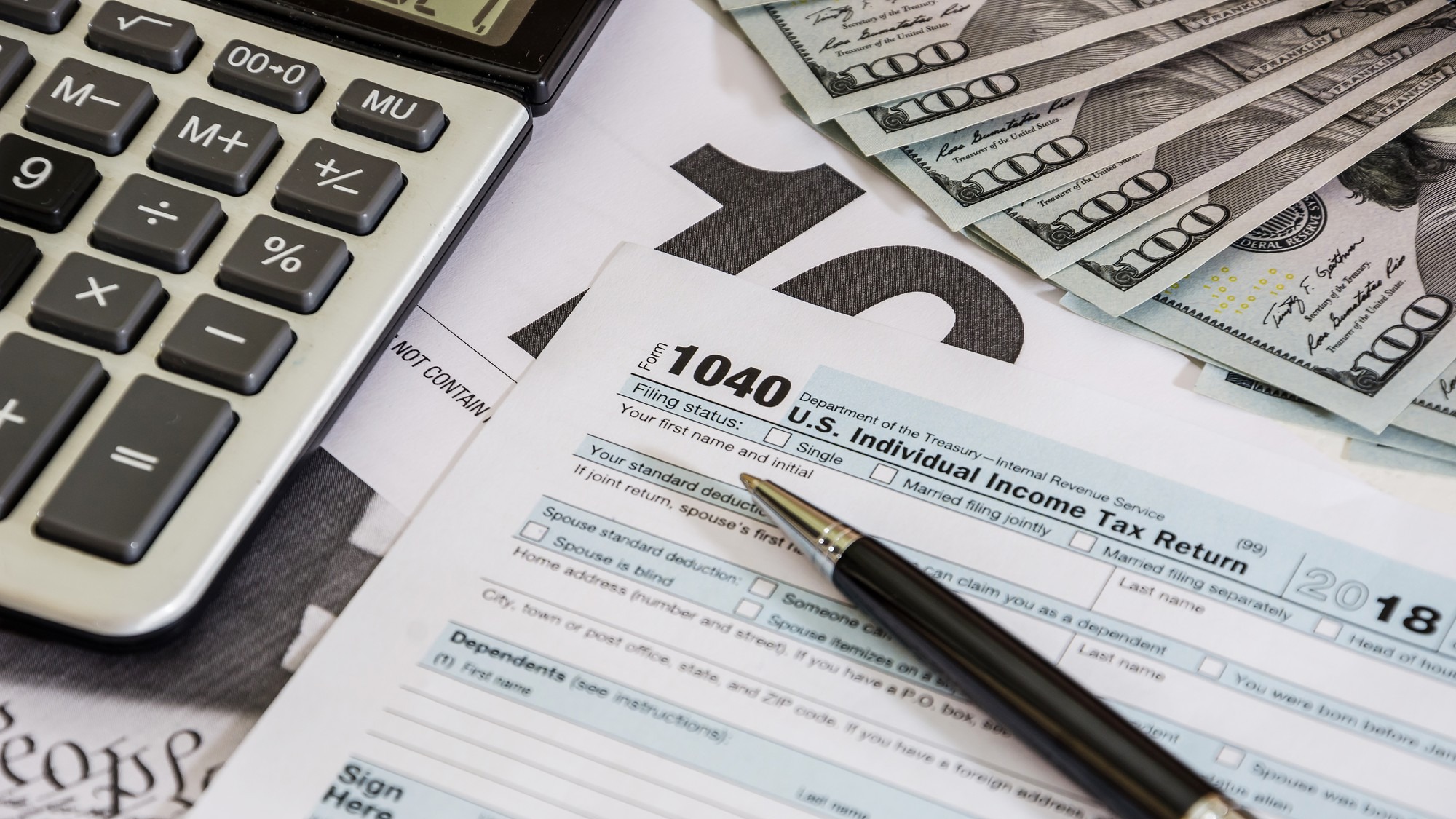
Taxpayers across all 82 Mississippi counties face a single hard deadline today: June 8, 2026. The IRS set that date as the final extension for federal filing and payment obligations originally due between January 23 and June 8, giving storm-battered residents and businesses nearly five months of breathing room after a severe winter storm struck the state January 23 through 27. With parallel disaster relief flowing from the SBA, FDIC, and state labor agencies, the question now is how many filers will actually use the window before it closes.
Why the June 8 deadline hits Mississippi harder than a routine extension
This is not a standard filing postponement. The IRS relief, designated MS-2026-01, covers every county in the state rather than a targeted list of damaged areas. That blanket scope reflects the severity of the January storm, which triggered multiple layers of federal response. The IRS guidance also waived certain deposit penalties for the period beginning January 23, easing pressure on employers who missed payroll tax deposits while dealing with storm damage.
Under the postponement, individual income tax returns, business returns, and various quarterly filings that would normally have come due between late January and early June are all pushed to the same June 8 date. Penalties and interest that would otherwise accrue on those obligations are suspended for eligible taxpayers through the end of the relief period. For cash-strapped households and small firms, that effectively converts what would have been a series of rolling deadlines into a single, high-stakes cutoff.
The financial strain extends well beyond taxes. According to the U.S. Small Business Administration, a presidential disaster declaration was issued April 10, 2026, opening the door to low-interest disaster loans for businesses, private nonprofits, and residents. Homeowners can borrow to repair or replace damaged property, while renters may seek help with personal belongings. Small businesses and nonprofits can apply for both physical damage loans and working-capital assistance to cover payroll, utilities, and other operating costs while revenue recovers.
A reasonable expectation is that counties generating the most SBA loan applications will also show the highest rates of late filing under the June 8 extension, once IRS data becomes available. Households juggling property repairs, lost income, insurance disputes, and federal loan paperwork are exactly the filers most likely to need every extra day. For them, waiting until early June may be less about procrastination and more about waiting to see how much cash remains after essential repairs.
Federal agencies and state officials aligned on storm recovery timelines
Three federal agencies and one state department have issued formal actions tied to the same storm event, though their timelines carry a notable discrepancy. The FDIC, in a supervisory relief letter to financial institutions, confirmed the storm dates as January 23 through 27, 2026, and referenced a FEMA disaster declaration dated February 6, 2026. The SBA, by contrast, pegged the presidential disaster declaration to April 10, 2026. Both dates appear in official federal releases, and the gap likely reflects separate declaration types or later amendments rather than a factual error, but neither agency has publicly reconciled the two.
The FDIC letter encourages banks to work constructively with affected borrowers, including by restructuring loans, waiving fees, and easing documentation requirements where appropriate. That supervisory stance is meant to complement the IRS relief by reducing the risk that taxpayers emerge from the filing season only to face tighter credit or punitive bank charges.
On the state side, the Mississippi Department of Employment Security opened Disaster Unemployment Assistance for 37 affected areas under declaration DR-4899-MS. That program targets workers who lost jobs or self-employment income because of the storm, adding another layer of support alongside the IRS extension and SBA loans. Eligible workers include those who do not qualify for regular state unemployment benefits, such as the self-employed and certain gig workers, provided they can show that their loss of work is directly tied to the disaster.
Taken together, these measures sketch a coordinated-if sometimes confusing-recovery timeline. FEMA’s declaration date anchors the FDIC’s regulatory flexibility, the IRS uses the January storm period to define who qualifies for tax relief, the SBA’s April declaration unlocks long-term capital, and the state’s unemployment program fills immediate income gaps. For Mississippi taxpayers, the practical takeaway is that June 8 is not just another filing milestone; it is the point at which one of the most generous strands of that safety net begins to fall away.
Advisers are urging residents and business owners not to wait until the last minute. Filing now, they note, can speed up refunds that might be used to cover insurance deductibles or bridge cash-flow gaps before SBA loan decisions arrive. Those who truly cannot file by June 8 are being told to submit an extension request and pay as much as they reasonably can, to limit penalties once the special relief period ends. In a year when winter weather has already rewritten the calendar for thousands of Mississippians, using the remaining days wisely may be as important as the relief itself.