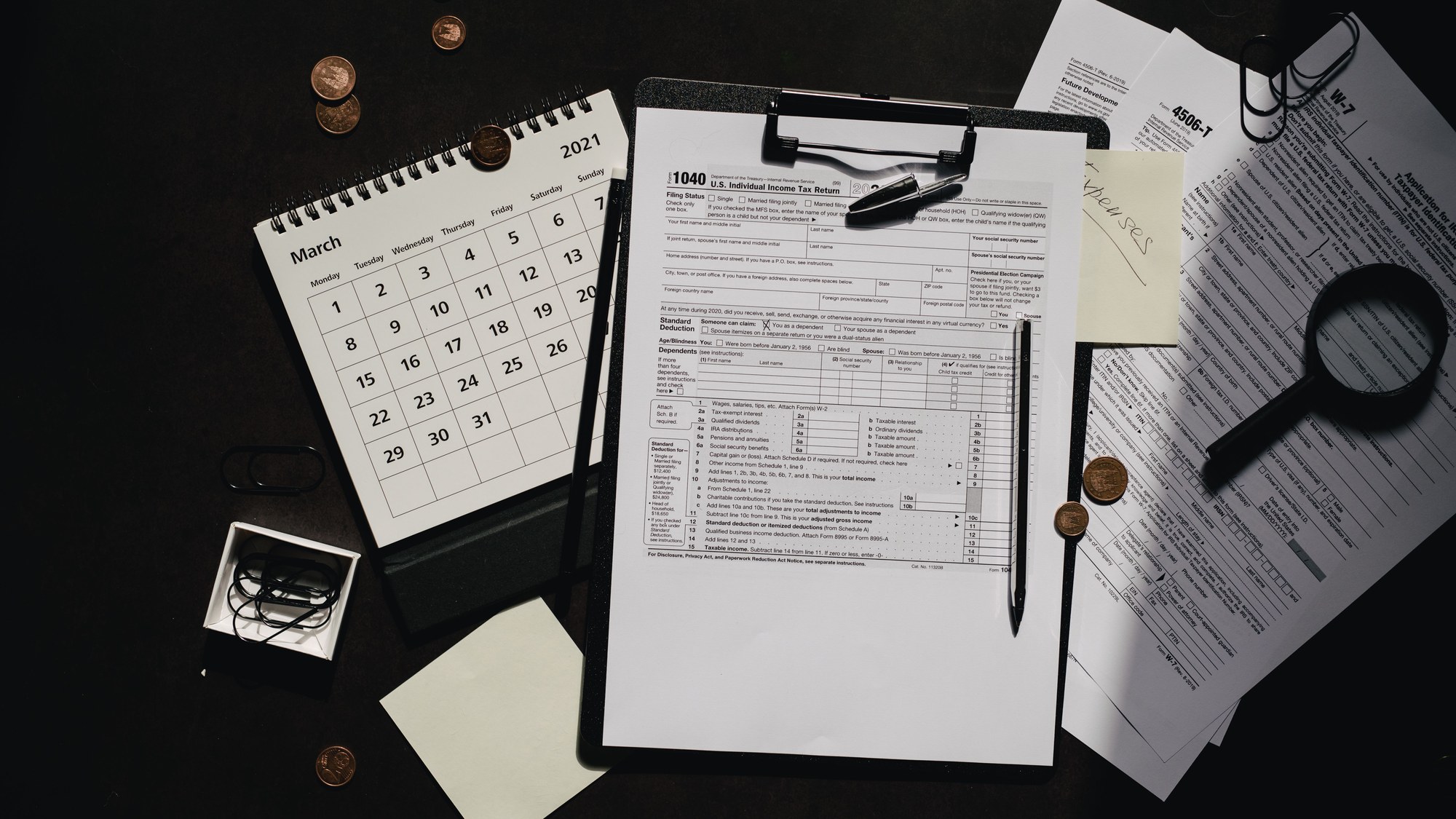
A former St. Louis tax preparer, Latasha L. Frison, 39, was sentenced on September 30 to 56 months in prison for preparing false tax returns, the U.S. Attorney’s Office for the Eastern District of Missouri announced. U.S. District Judge Joshua M. Divine also ordered restitution of $270,793.
A jury had convicted her on 16 counts of aiding and assisting in the preparation of false returns, according to the office’s sentencing announcement. Among the claims in the case, the announcement says, was one that a full-time liquor store cashier had purchased 40,000 gallons of fuel in a single year.
A cashier and 40,000 gallons of fuel
The fuel claim is the detail that prosecutors and the IRS both highlight. The IRS Criminal Investigation release repeats it: a return prepared by Frison claimed that a full-time liquor store cashier purchased 40,000 gallons of fuel in a single year. Forty thousand gallons is far beyond what a person who works a register would burn in a car, and it is the kind of number that stands out on a return.
That claim is one example from the case, not the whole case. The jury decided 16 counts, and the office’s earlier conviction release tied the prosecution to a larger body of work: more than 680 returns from 2021 through 2024.
The people most affected are the clients. A household that hired a preparer who later turns out to have inflated a return still signed that return, and the tax agency looks to the filer first. Anyone who paid a preparer for a refund, particularly one with a credit or deduction that does not match real spending, has a reason to look at what was filed in their name.
Rules and scams around taxes keep changing, and The Retirement Money Brief explains one change each weekday, who it affects and what to do.
Get the free weekday brief → Free from RetireShield. Unsubscribe anytime.
The sentence and the restitution
Fifty-six months is four years and eight months. It was imposed after a jury trial, which means Frison did not plead guilty and the sentence followed a verdict. The $270,793 in restitution is a court-ordered repayment, and the government lists it alongside the prison term in the announcement.
The sentencing release is the authority for the 56 months and the restitution figure. Both the U.S. Attorney’s Office and IRS Criminal Investigation carried the same numbers.
Fees, casinos and what the clients paid
The IRS release also describes how the business operated. It cites a $5,000 fee that Frison charged in one instance, against a $700 quote, the release says. It also points to spending of more than $145,000 at casinos over four years. Those figures describe the conduct the government laid out. They are not separate charges, and the 16 counts are the convictions.
A fee that far above a quote is the sort of detail that clients can spot early. The fee for a return should be stated before the work starts.
What a signed return means for the person who filed it
The IRS says on its page about choosing a tax professional that anyone can be a paid tax return preparer as long as they have a Preparer Tax Identification Number, or PTIN. The agency also lists return preparer fraud among common tax scams. A PTIN shows that a preparer has registered with the IRS, but it is not a measure of quality or honesty.
Because the filer’s signature is on the return, the filer is responsible for what it says, even when a preparer typed the numbers. A return with a credit built on activity that never happened can lead to a bill for the tax, plus interest and penalties, when the agency catches it. That is why the case matters for households and not only for the people charged.
Going back over a preparer’s return and reporting a bad one
Anyone who used a paid preparer in the years covered by the case can pull the filed returns and compare each credit and deduction to real records. A fuel credit should match fuel that was bought and used in a qualifying way. A deduction should match a payment that was made. If a line shows something that never happened, the next move is to talk to a tax professional the household trusts about correcting it.
The IRS runs a page to make a complaint about a tax return preparer. It names Form 14157 for reporting return preparer misconduct or fraud and Form 14157-A, which is used to make a change to an individual’s tax account. Keep copies of the return, the preparer’s name and the fee paid.
The U.S. Attorney’s sentencing announcement and the IRS Criminal Investigation release are the primary sources for what the court ordered in this case.
More Financial Reading
- How many CDs can you park at 1 bank? FDIC rules you must know
- Adding someone to your bank account: tax traps and smart moves
- The ideal retirement withdrawal rate so your savings actually last
This article was produced with AI assistance and reviewed by The Financial Wire’s editorial team.