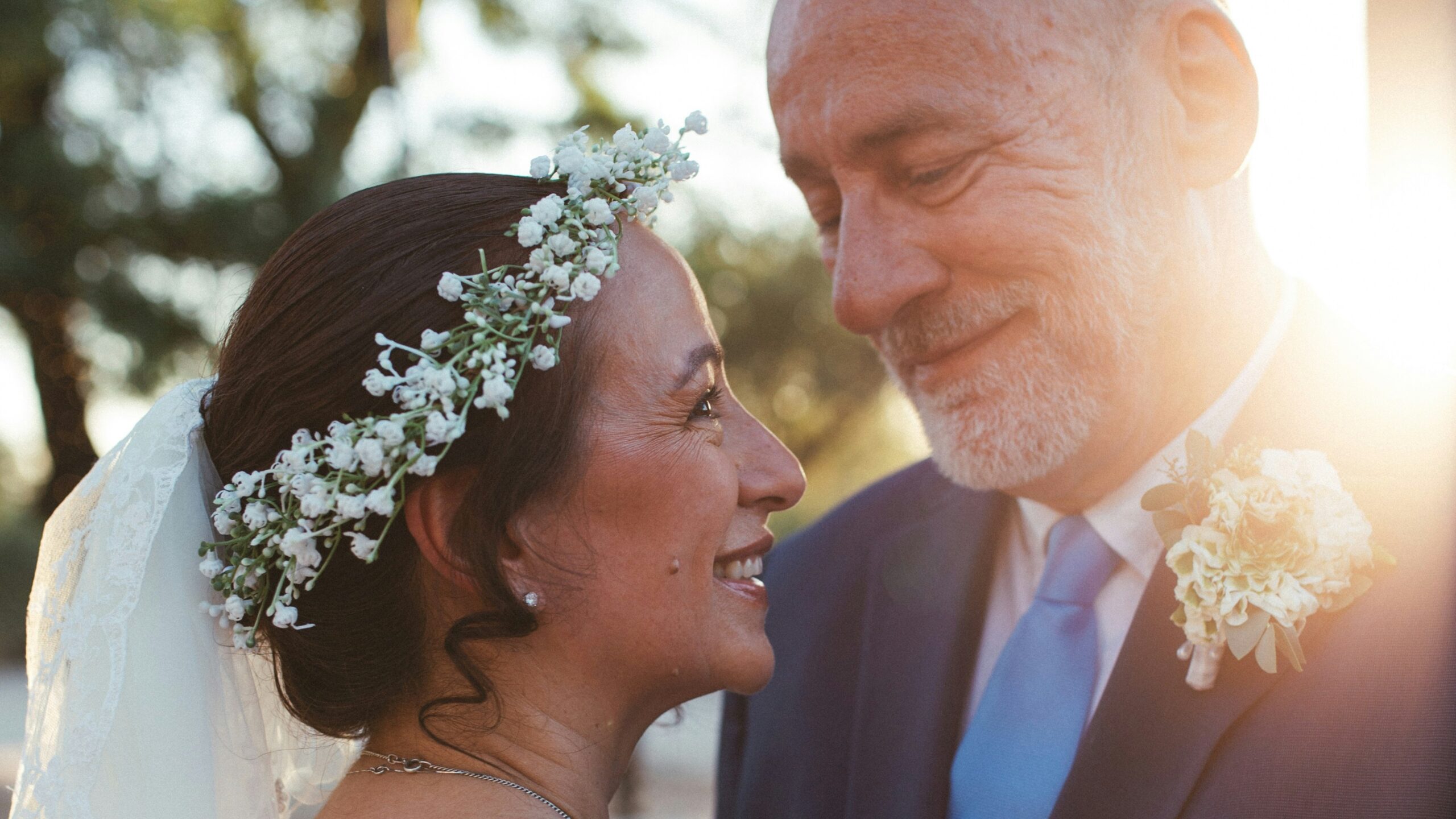
Grief and a new relationship rarely arrive on a convenient schedule, but for a widow or widower counting on a late spouse’s Social Security, one birthday quietly changes everything. Remarry a day before turning 60 and the right to a survivor benefit can vanish for as long as that new marriage lasts. Wait until the day after, and the same wedding costs nothing. The rule is unforgiving on timing and almost never explained until it is too late.
The Age-60 Line That Governs Survivor Benefits
Social Security draws a hard line at age 60 for surviving spouses, and at age 50 for those who are disabled. Marry again before reaching that age and a person cannot collect benefits as a surviving spouse while the new marriage is in effect, as the agency explains in its guidance for people who are the survivor. Marry at or after 60 — or 50 for a disabled survivor — and the remarriage has no effect at all on the survivor benefit.
That single threshold can decide whether a survivor keeps access to a benefit built on decades of a late spouse’s earnings. Because a survivor benefit can eventually equal the full amount the deceased worker would have received, the stakes of the timing are not small change; they can shape a household’s income for the rest of a person’s life.
Free retirement updates: Enrollment and claim windows come and go, and missing one can cost real money. The free Retirement Shield newsletter keeps readers ahead of the deadlines that matter. Sign up free for the Retirement Shield newsletter.
Why the Rule Exists — and What It Actually Blocks
The provision treats a survivor benefit as tied to widowhood. Once a person remarries below the age cutoff, Social Security views them as having a new spouse to build benefits with, and it suspends the claim on the deceased spouse’s record for the duration of that marriage. It does not erase the underlying entitlement; it blocks payment while the disqualifying marriage lasts.
That distinction matters because the bar is not always permanent. It applies only while the new marriage is intact. The benefit is put out of reach, not destroyed — a nuance that becomes important if the later relationship does not endure.
When a Later Marriage Ends
If the marriage that triggered the penalty later ends — by death, divorce, or annulment — the survivor can once again qualify for benefits on the first spouse’s record. In effect, the door that a too-early remarriage closed can reopen if that marriage comes apart. A widow who remarried at 55 and divorced at 62, for instance, may then be able to claim the survivor benefit she had been locked out of.
Survivors in that situation should not assume the change happens automatically. Confirming eligibility and applying is the only way to restart the benefit, and the agency’s overview of who can get survivor benefits lays out the conditions. It is a detail worth raising with Social Security directly, since a person who remarried young may have written off the benefit years earlier and never revisited it.
How the Timing Shapes a Remarriage Decision
For an older widow or widower contemplating marriage, the age-60 rule turns the calendar into a financial variable. Someone in their late fifties who is weighing remarriage has a concrete reason to understand what a survivor benefit could be worth before setting a date. Depending on the size of the late spouse’s record, waiting until 60 can preserve a stream of income that a slightly earlier wedding would forfeit.
This is not an argument to delay a life decision purely for a benefit, but it is a reason to go in with eyes open. The survivor benefit can be claimed as early as 60, at a reduced rate, or later for more — and a person who remarries after that age keeps every one of those options. The cost of remarrying a few months too soon, by contrast, can run for years.
There is also a strategy the age line makes possible. Because a survivor benefit and a person’s own retirement benefit are separate, a widow or widower can sometimes take one first and switch to the other later — collecting the survivor benefit while letting their own grow, or the reverse. Preserving eligibility by watching the remarriage rule keeps that flexibility on the table; forfeiting the survivor benefit through an early wedding takes one of the two options away entirely.
The Divorced-Spouse Parallel
A related rule catches many people off guard for the opposite reason. A divorced person collecting a survivor benefit on a former spouse’s record faces the same age-60 test, but the flip side also holds: a divorced survivor who waits until 60 to remarry generally keeps the benefit intact. The system consistently rewards patience past that birthday and penalizes haste before it.
The through-line for any survivor is to know exactly where they stand on the age line before making a decision that cannot be undone cheaply. A short conversation with Social Security about how a planned marriage — or the end of a current one — affects a survivor benefit can be worth far more than the few minutes it takes.
This article was researched and drafted with the assistance of AI and reviewed by The Financial Wire editorial team.
More Financial Reading
- How many CDs can you park at 1 bank? FDIC rules you must know
- Bank statements: how long to keep them and when to toss them