Millions of workers change jobs and leave a 401(k) behind at a former employer, often without a second thought. The balance is still theirs, but it keeps paying fees the entire time it sits there, and those charges rarely announce themselves. Over years, administrative costs and pricey investment options can shave a meaningful slice off an account the owner has stopped watching. Consolidating a stranded plan is one way to stop that slow leak.
How fees quietly erode a balance
Every 401(k) carries costs. Some pay for recordkeeping and administration, others are baked into the mutual funds the plan offers, and most are deducted automatically rather than billed, so they never appear as a line item anyone has to approve. A worker who is still employed may have those costs partly subsidized by the employer. Once the worker leaves, that cushion often disappears, and the departed employee can be left carrying the full weight of the account’s expenses.
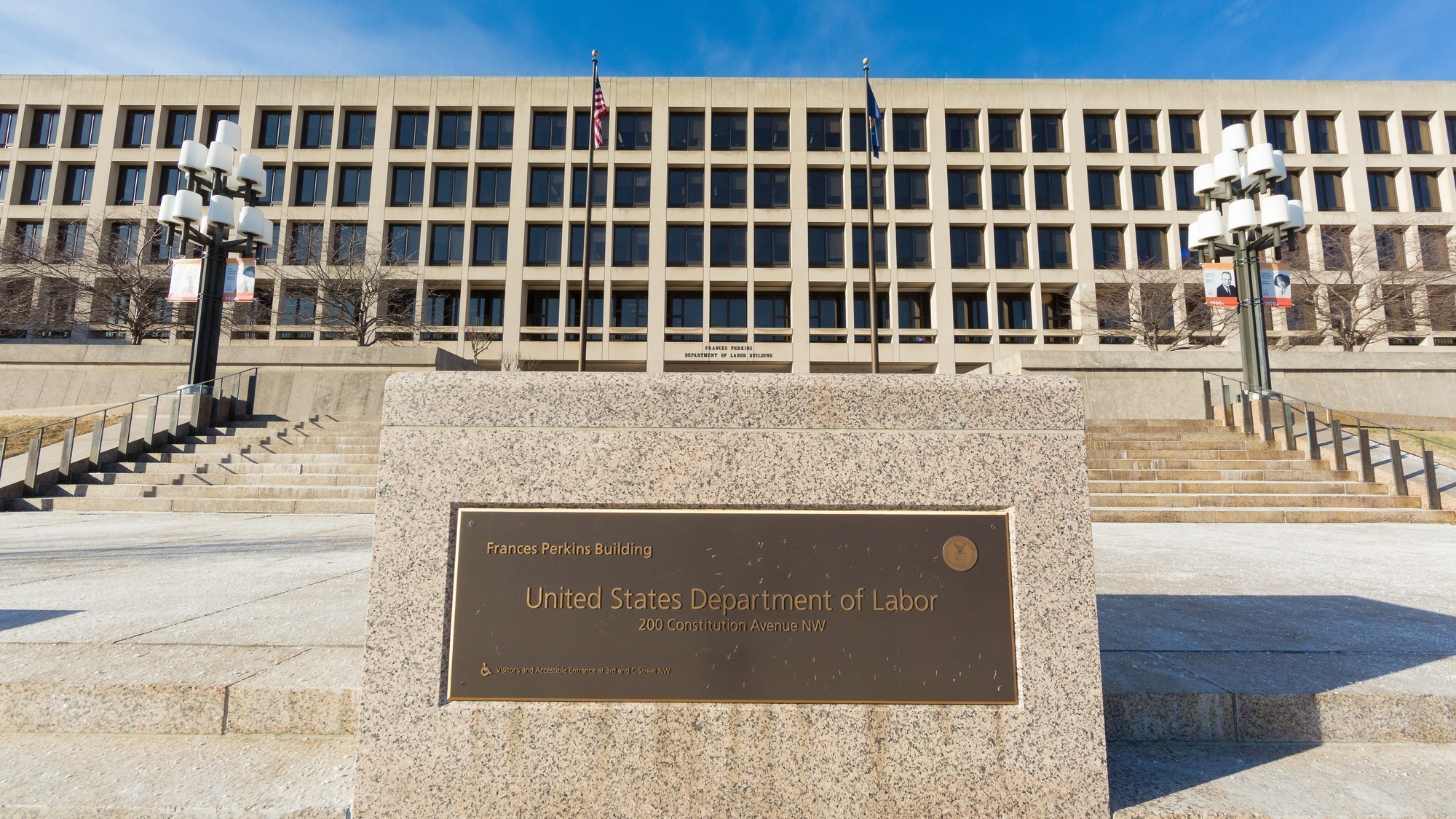
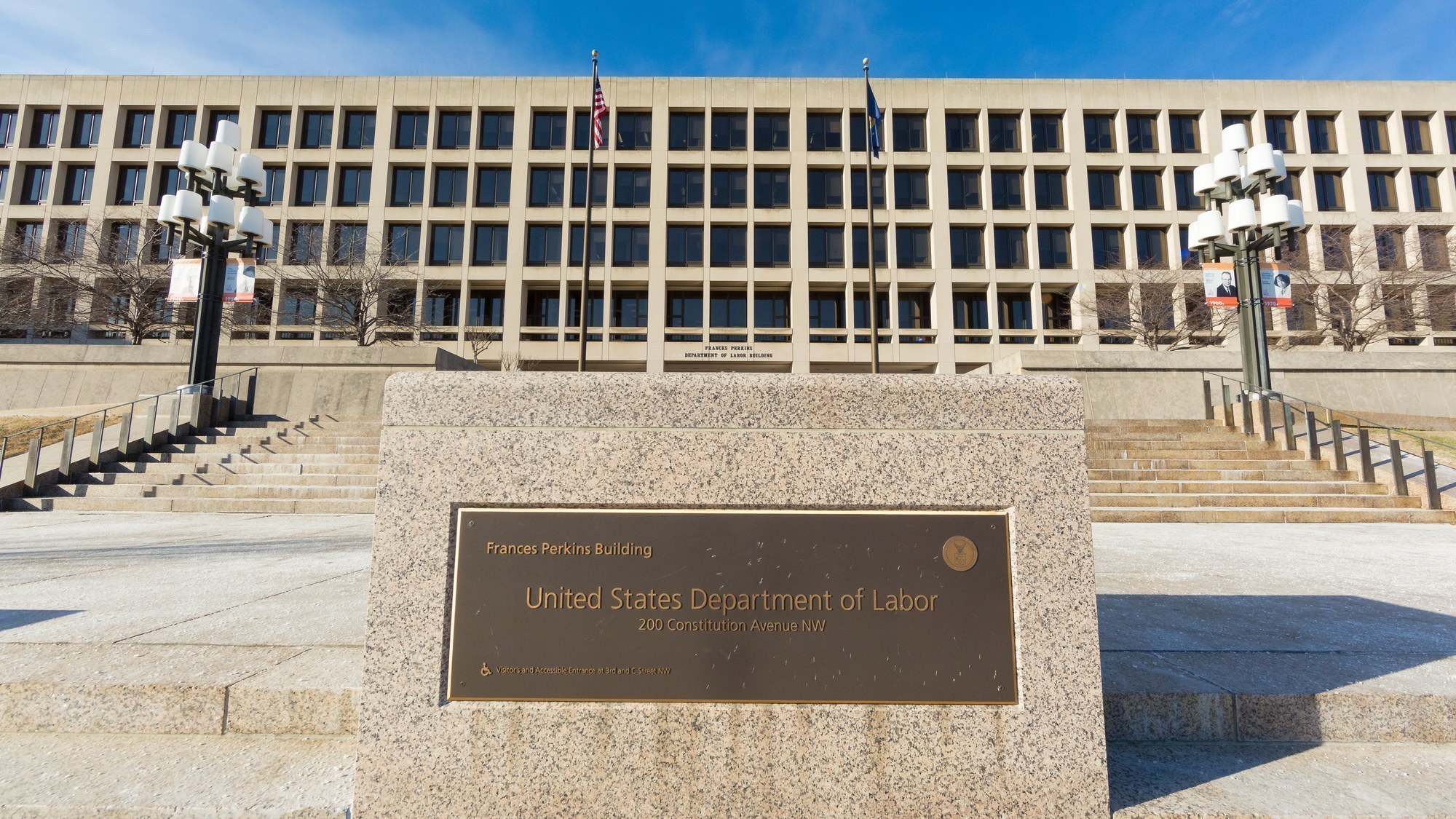
The long-run damage is larger than the small percentages suggest. The Department of Labor’s guide to 401(k) plan fees illustrates the effect with a straightforward example: for a worker 35 years from retirement, a difference of just one percentage point in annual fees can shrink the final balance by roughly 28 percent. Fees compound in reverse, quietly taking a cut of both the contributions and the growth those contributions would have produced. A single old account holding high-cost funds can therefore cost far more over time than its modest-looking expense figure implies.
The charges tend to arrive in layers. Investment fees, expressed as an expense ratio, come off the top of returns every year an investment is held. Administrative fees cover recordkeeping, legal, and trustee services that keep the plan running. And individual service fees apply to specific actions, such as taking a loan against the account. Each layer looks small in isolation, but stacked together and left unwatched for years, they compound into real money.
None of this is hidden in the sense of being improper, since the costs are disclosed in plan documents. But they are easy to miss, especially in an account the owner rarely logs into. That is precisely why a forgotten plan is where fees do their quietest work.
Free for readers: For plain-English help keeping more money in retirement, the free Retirement Shield newsletter covers scams, benefits, and money owed, a couple times a week. Subscribe free.
Why a forgotten account is especially vulnerable
A plan left behind tends to drift into the higher-cost corner of the fee range. Former employees are sometimes moved into default investment options, or into arrangements that charge separated participants extra administrative fees the employer no longer offsets. Small balances are particularly exposed, because a flat annual account fee eats a bigger share of a $9,000 balance than of a $200,000 one. And because no one is contributing new money, fees can outpace growth in a stagnant account, slowly grinding the balance down.
The problem multiplies with every job change. A worker who has held five positions over a career can end up with five separate accounts, each with its own fee schedule, its own investment menu, and its own login that gets lost over time. Keeping track of five statements is hard; noticing that one of them is quietly underperforming because of costs is harder still.
There is a quieter danger than fees alone: losing the account entirely. Plans can lose contact with former employees who move without updating an address, and small balances left behind are sometimes cashed out or shifted into a default IRA by the plan. An account nobody is watching cannot be rebalanced or protected, and a stale beneficiary form on an old plan can send the money to an ex-spouse or an outdated contact instead of the person the owner would choose today. Pulling a forgotten balance back into an account the owner actually monitors closes that gap as well as the fee gap.
What a rollover can fix
Moving a stranded 401(k) into an individual retirement account, or into a current employer’s plan, can address several of these problems at once. A rollover done correctly is not a taxable event, provided the money moves directly between accounts or is redeposited within the window the tax rules allow. The IRS explains the mechanics in its guidance on rolling over retirement funds, including the direct-transfer method that avoids withholding and paperwork headaches.
The potential gains are concrete. An IRA typically opens up a far wider menu of investments than a single employer’s plan, including low-cost index funds that may carry a fraction of the expense of the old account’s options. Consolidation also means one statement to monitor instead of several, and one set of beneficiary designations to keep current. The IRS overview of rollovers lays out the timing rules, including the 60-day limit that applies when a check is issued to the account holder rather than transferred directly.
Where a rollover is not automatically better
The move is not always the right one, which is why a comparison matters before touching the money. Some large employer plans negotiate institutional pricing that undercuts what a retail IRA offers, so rolling out could raise costs rather than lower them. Workplace plans may also carry protections and features an IRA lacks, and money left in a 401(k) can qualify for the penalty-free access some plans allow after an early separation from the job. A saver should read the old plan’s fee disclosure and compare it against the destination account’s costs before deciding.
A short checklist keeps that comparison manageable. The old plan’s fee disclosure lists the administrative charges and the expense figure for each investment, and the destination account’s costs can be read the same way. A separated employee should confirm whether the former plan tacks on an account fee that a current worker did not pay, ask whether the balance is large enough to keep any institutional pricing, and verify the beneficiary designations on both ends before and after the move. A rollover that lowers costs and simplifies oversight is usually worth making; one that quietly raises them is not.
The point is not that every old 401(k) belongs in an IRA, but that a forgotten account should not be left to bleed unexamined. Fees vary widely, investment options vary widely, and the only way to know whether a stranded plan is quietly costing money is to pull the statement, read the expense figures, and weigh them against the alternatives. For many people, consolidating turns a neglected, fee-heavy account into a cheaper, simpler one they will actually watch, and it stops a small leak before it grows into a large one over a retirement that can last decades.
Free for readers: Every year, billions in settlements and unclaimed money go unclaimed. The free Retirement Shield newsletter sends the real ones, with deadlines, a couple times a week. Get the free newsletter.
This article was researched and drafted with AI assistance and reviewed against the linked primary sources.