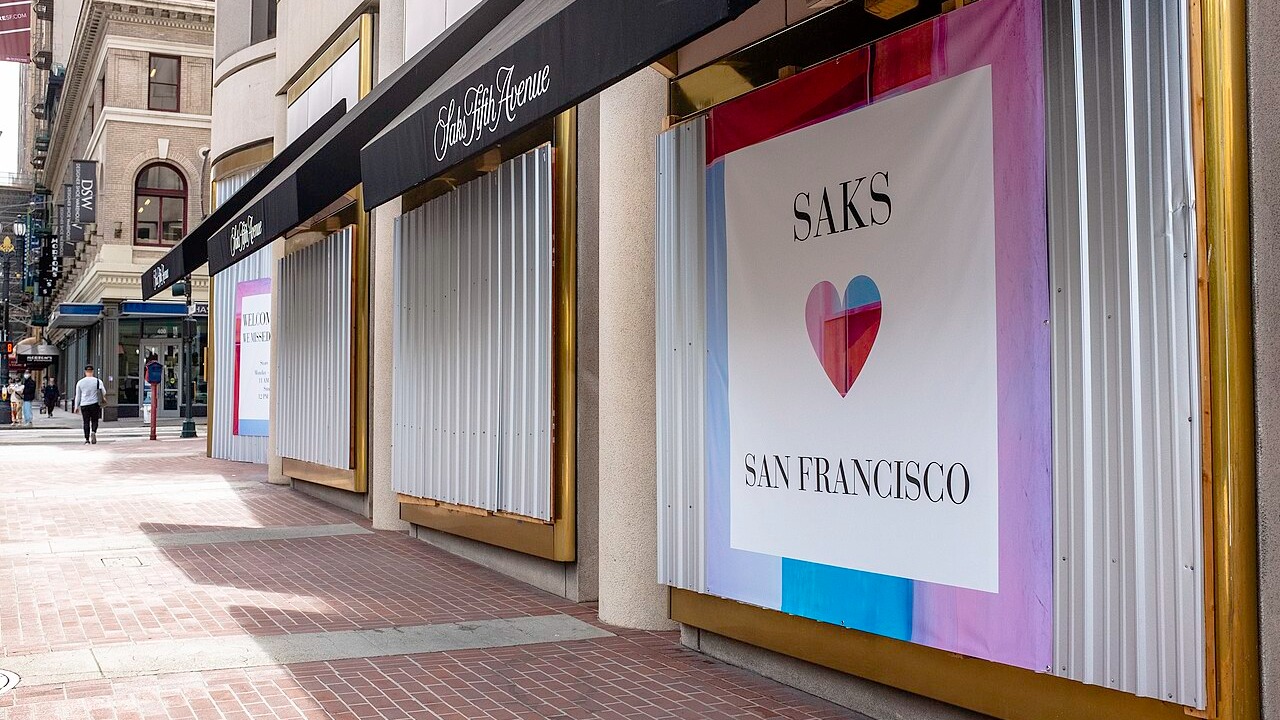
Saks Global exited Chapter 11 bankruptcy on June 26, 2026, shedding nearly 75 percent of its debt and rebranding as Exemplar Luxury Group. The reorganized company now controls three of the most recognized names in American luxury retail: Neiman Marcus, Saks Fifth Avenue, and Bergdorf Goodman. The move raises a direct question for the industry: whether a dramatically lighter balance sheet can translate into renewed investment in full-price merchandise and digital growth at a time when luxury competitors are fighting for the same high-spending customers.
Why a 75 percent debt cut reshapes the luxury retail fight
The bankruptcy filing earlier this year was driven by obligations the company could no longer service. When Saks Global entered Chapter 11, its debt load had ballooned to a level that forced management to prioritize creditor negotiations over store operations and inventory planning. The approved restructuring plan changed that equation by wiping out close to three-quarters of the company’s outstanding debt. The U.S. Bankruptcy Court for the Southern District of Texas, Houston Division, confirmed the plan under lead case number 26-90103.
A nearly 75 percent reduction in debt does more than clean up a balance sheet. It frees cash that was previously locked into interest payments and restructuring costs. For a luxury retailer, that freed capital can flow toward buying more full-price inventory from top-tier brands, a shift that directly affects the quality of merchandise on selling floors and online. Whether Exemplar Luxury Group actually channels those savings into inventory investment, rather than shareholder returns or further cost-cutting, will become visible once the company files its first post-emergence quarterly financial disclosures. Merchandise-receipt data in those filings will serve as the clearest early signal of how aggressively the new entity is restocking its stores.
Debt relief also alters the company’s posture in the broader luxury landscape. Competitors ranging from department stores to monobrand flagships are chasing the same affluent shoppers who have grown more selective about where they spend. With less leverage on its books, Exemplar can afford to test new store concepts, expand clienteling teams, and refine loyalty programs without the constant pressure of looming maturities. In an environment where luxury growth is slowing from its pandemic-era surge, the ability to invest through the cycle could become a key differentiator.
Court approval, new name, and three brands under one roof
The reorganized parent entity, now operating as Exemplar Luxury Group, consolidates Neiman Marcus, Saks Fifth Avenue, and Bergdorf Goodman under a single holding company. Before the bankruptcy, these brands operated with overlapping back-office structures and competing vendor relationships. Combining them under one corporate umbrella gives management a chance to negotiate better terms with luxury suppliers, streamline logistics, and reduce duplicated overhead in areas such as technology, marketing, and human resources.
The name change itself carries strategic weight. Dropping “Saks Global” distances the company from the bankruptcy filing and signals to brand partners, landlords, and customers that the business has turned a page. Luxury goods houses pay close attention to the financial health of their wholesale partners. A retailer carrying unsustainable debt is a retailer that brands hesitate to supply with their most desirable products. A cleaner balance sheet, paired with a fresh corporate identity, is designed to rebuild that confidence and reassure vendors that Exemplar can support long-term shop-in-shop investments and exclusive capsule collections.
Externally, the reorganization also arrives amid a broader shake-up in high-end retail. According to an Associated Press report, consolidation and restructuring have become recurring themes as luxury players respond to changing consumer behavior and higher financing costs. Exemplar’s emergence as a single, multi-banner group is likely to intensify scrutiny from rivals that are weighing whether scale or specialization offers the better path forward.
Open questions after Exemplar Luxury Group’s emergence
Despite the cleaner capital structure and unified ownership, significant questions remain about how Exemplar will translate its financial reset into operational performance. One uncertainty is store strategy. Neiman Marcus, Saks Fifth Avenue, and Bergdorf Goodman each have distinct footprints and identities; deciding which locations to renovate, relocate, or potentially close will test management’s ability to balance cost discipline with brand equity.
Another open issue is digital integration. Saks has historically invested heavily in e-commerce and remote styling services, while Neiman Marcus and Bergdorf Goodman have leaned more on in-store experiences. Exemplar now has the opportunity to build a shared technology backbone that supports unified inventory visibility, personalized recommendations, and seamless returns across banners. Doing so, however, requires sustained capital spending and careful change management after a period when many employees endured uncertainty around the bankruptcy process.
Vendor dynamics will be equally important. With three banners under one parent, Exemplar can approach luxury brands with a broader platform and data on customer behavior across markets. That scale could unlock better access to limited-edition products and exclusive launches. At the same time, brands that prize tight control over distribution may resist deeper consolidation, preferring to diversify their wholesale exposure rather than rely on a single U.S. partner.
Finally, Exemplar must convince shoppers that the transformation is more than a legal and financial exercise. Affluent customers are sensitive to cues about service levels, product curation, and store ambiance. If they perceive cost-cutting on the selling floor or weaker assortments, the balance-sheet gains may not translate into sales growth. Over the next several seasons, the most telling indicators will not be court filings or restructuring milestones, but the mix of merchandise in key flagships, the responsiveness of sales associates, and whether loyal clients choose Exemplar’s stores and websites as their default destination for luxury purchases.