Why the age-21 rule still matters
Under current federal rules, a traditional 401(k) plan can generally require an employee to reach age 21 and complete one year of service before becoming eligible to make salary-deferral contributions. Employers can choose to be more generous, but many do not. That means a worker who starts at 18 can still spend years earning paychecks before being allowed into the company retirement plan. That gap may sound technical, but it has real consequences. It can delay the saving habit, postpone access to payroll deduction, and in some cases keep younger workers from even having the option to capture a company match once they become eligible under plan terms. For workers who enter the labor force earlier than their college-bound peers, those lost years can be especially meaningful. The issue is not theoretical. According to lawmakers backing the House version of the bill, citing Plan Sponsor Council of America survey data, 40% of workplaces that offer retirement plans currently set a minimum participation age of 21. That helps explain why supporters see the legislation as more than a symbolic update.What the Senate bill would change
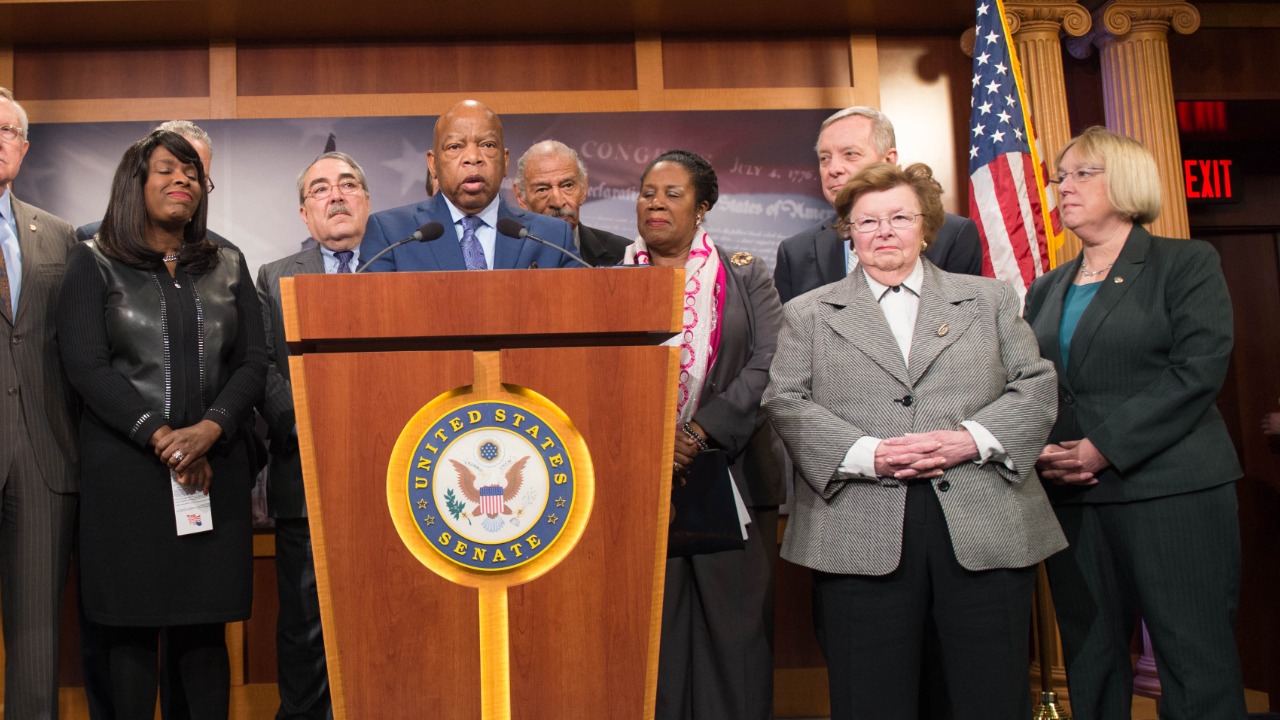
The Senate legislation, S. 1707, was reintroduced by Sens. Bill Cassidy of Louisiana and Tim Kaine of Virginia. Sponsor materials say the bill would lower the participation age for many ERISA-covered defined contribution plans to 18, giving workers ages 18 to 20 earlier access to employer-sponsored retirement accounts. Importantly, the proposal is narrower and more tailored than a headline alone might suggest. It is aimed at letting younger employees make their own contributions sooner, not forcing every employer to redesign its entire benefits package overnight. Analyses of the bill note that employers could still apply a one-year service requirement for these younger workers, and employers could continue to limit employer matching or nonelective contributions for employees under 21. That structure is central to the bill’s pitch. It tries to expand access for younger savers without imposing the full cost of broader benefit changes on plan sponsors from day one. In other words, it is designed as an opening to the retirement system, not a mandate that every 18-year-old receive the same employer-funded benefits as older participants immediately.How lawmakers are trying to lower employer resistance
The biggest obstacle to similar proposals has not usually been the idea of younger workers saving for retirement. It has been the compliance burden attached to bringing more employees into a plan. Cassidy and Kaine say their bill addresses that problem directly. In a joint announcement, the senators said the legislation would exempt 18- to 20-year-old employees from certain retirement-plan testing and would delay some audit-related requirements that can make covering younger workers more expensive. That matters because 401(k) plans are heavily regulated, and seemingly small eligibility changes can ripple through administration, testing, and reporting. By carving out younger participants from some of those calculations, the bill’s sponsors are trying to remove one of the main reasons employers have historically kept the age threshold at 21. The strategy is practical. Rather than arguing that employers have been wrong to worry about cost and compliance, the bill attempts to neutralize those concerns and make earlier eligibility easier to accept.Support is building beyond Capitol Hill
The proposal has also picked up support from retirement-industry and employer groups that would have to deal with the operational side of any change. Cassidy and Kaine’s office said the measure is backed by organizations including BPC Action, Edward Jones, the American Benefits Council, LPL, the Insured Retirement Institute, the National Rural Electric Cooperative Association, TIAA, and Transamerica. That support gives the bill more credibility than a stand-alone press release would. Plan providers and benefits groups tend to scrutinize proposals that could add friction or cost to the retirement system. Their backing suggests the bill has been drafted with enough flexibility to avoid becoming a nonstarter for employers. It also reflects a broader shift in the retirement debate. Access, not just contribution limits, has become a central policy question. Washington has spent years talking about how much Americans should save. This bill focuses on whether some workers are being made to start too late.The House is now pushing the same idea
The Senate effort is no longer acting alone. In July, Reps. Brittany Pettersen of Colorado and Mike Rulli of Ohio introduced the House companion, H.R. 4718, which would make the same basic push to open workplace retirement plans to employees ages 18 to 20. In a House announcement, Pettersen’s office argued that the current system leaves younger workers missing out on savings and years of compound growth. Having matching bills in both chambers does not guarantee passage, but it does increase the odds that the language could eventually ride inside a broader retirement or tax package. That may be the most realistic path. Narrow retirement bills often struggle to command floor time on their own, even when they have bipartisan support. But when a proposal is relatively modest, broadly understandable, and backed by outside groups, it becomes easier to fold into a larger package that leadership is already moving.Why this proposal could resonate with readers


Paul Anderson is a finance writer and editor at The Financial Wire. He has spent seven years writing about investment strategies and the global economy for digital publications across the US and UK. His work focuses on making sense of economic policy, cost-of-living issues, and the stories that affect everyday Americans.