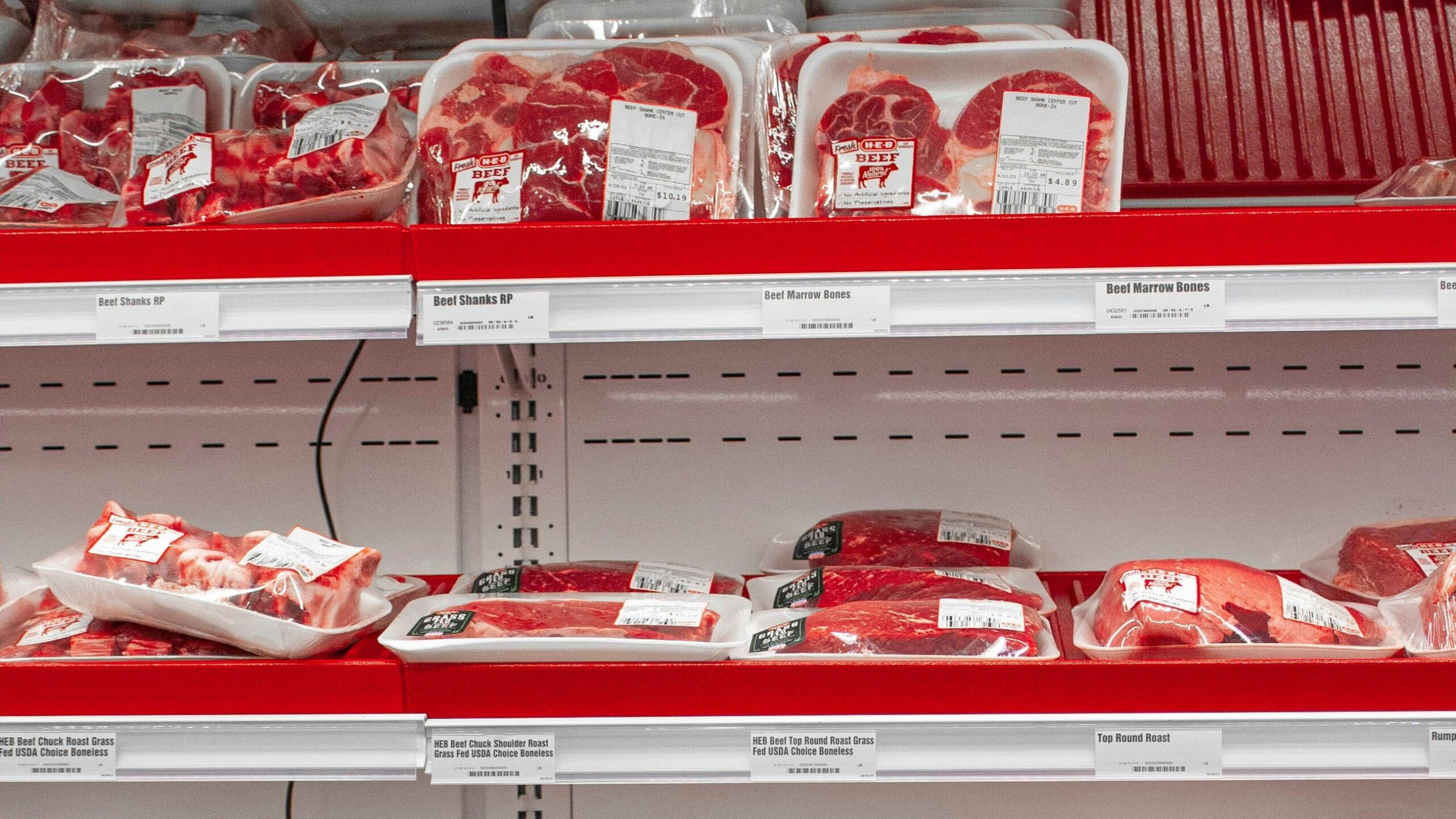
Consumers across 27 states who purchased beef between 2014 and 2019 have until June 30 to file claims in an $87.5 million settlement with Tyson Foods and Cargill over alleged price-fixing. The deadline puts real money on the table for ordinary grocery shoppers, but the size of individual payouts and the data behind the case raise questions that federal records can only partly answer.
Why the June 30 beef settlement deadline demands attention now
The settlement stems from allegations that major meatpackers coordinated to suppress cattle prices paid to ranchers while inflating what consumers paid at the register. That gap between what farmers received and what shoppers spent is not abstract. The USDA Economic Research Service tracks exactly this dynamic through its meat price spreads dataset, which records farm, wholesale, and retail values for beef and other meats on a monthly basis, with historical figures stretching back to 1970.
During the 2014 to 2019 window covered by the settlement, those spreads widened noticeably. Retail beef prices stayed elevated even as cattle producers saw their returns squeezed. The question at the center of this litigation is whether that widening reflected normal market forces or deliberate coordination among the country’s largest packers.
A concrete trigger sharpened federal scrutiny. In 2019, a fire at Tyson’s Holcomb, Kansas plant knocked out a significant share of national processing capacity. In the weeks that followed, USDA Secretary Sonny Perdue directed an investigation by the Packers and Stockyards Division into potential collusion or unfair practices in beef pricing margins. Sen. Deb Fischer of Nebraska issued a public statement supporting that inquiry, reflecting bipartisan concern among cattle-state lawmakers that packers were exploiting supply disruptions.
One testable idea will become clearer once the claims administrator releases data: states where the retail-to-farm price spread ran widest during those years could see proportionally larger per-capita claims. The ERS series provides the national baseline, but state-level retail price variation and claim filing rates will determine whether the settlement’s distribution matches the geographic pattern of alleged overcharges.
Federal price data and the evidence trail behind the case
The ERS meat price spreads dataset is the most accessible public record for evaluating how beef marketing margins behaved during the claim period. According to its technical documentation, the series draws on underlying reports from the USDA’s Agricultural Marketing Service for wholesale and farm-level values and Bureau of Labor Statistics consumer price data for retail figures. Together, these inputs produce a monthly snapshot of how much of the retail dollar goes to the farmer, the packer, and the retailer.
Between 2014 and 2019, the spread between farm value and retail price for beef fluctuated in ways that plaintiffs argued were inconsistent with competitive market behavior. The settlement by Tyson and Cargill does not constitute an admission of wrongdoing, but the $87.5 million figure signals the scale of the alleged overcharges embedded in everyday grocery bills. For many households, the relevant question is not the legal theory but whether it is worth the time to file a claim before the June 30 cutoff.
Because this is a class action settlement, consumers generally do not need receipts from nearly a decade ago to participate. Instead, the claims process typically relies on sworn statements about where a person lived during the covered years and whether they bought beef products for household use. The total number of valid claims will determine how far the $87.5 million pool stretches, after attorney fees and administrative costs are deducted.
What individual shoppers can realistically expect
Per-person payments in consumer antitrust settlements are often modest, especially when the class covers many states and multiple years of purchases. If participation is high, individual checks could amount to tens of dollars rather than hundreds. If participation is low, those who do file may receive more substantial payments. Either way, the settlement functions as a rare mechanism for channeling alleged monopoly rents back to end buyers, rather than stopping at the producer or wholesale level.
The timing of the deadline matters because food inflation in recent years has left many families more sensitive to grocery costs than they were when the alleged conduct occurred. Even a relatively small payout can offset a week or two of beef purchases, and filing a claim also serves as a signal that consumers are paying attention to how concentrated supply chains behave.
For ranchers, the settlement is symbolically important even though it is directed at retail purchasers. The same conduct that allegedly raised supermarket prices is said to have depressed cattle prices, squeezing producer margins from the other side. While separate lawsuits and regulatory efforts focus on the producer end of the market, this consumer settlement underscores how a few dominant firms can influence conditions up and down the supply chain.
What to watch after the claims window closes
Once the June 30 deadline passes, the next milestones will be court approval of the settlement distribution plan and, eventually, public reporting from the claims administrator. Those records could reveal how many people filed in each state, how payments varied geographically, and whether participation was higher in regions where beef is a larger share of household food budgets.
Analysts will also be able to compare the timing of peak price spreads in the ERS data with the years in which alleged coordination was most intense. While the settlement itself avoids resolving contested questions about intent, the combination of federal price series, regulatory investigations, and civil litigation offers one of the clearest case studies to date of how concentrated meatpacking can affect both ranchers and consumers. For now, the most immediate task for eligible shoppers is simple: confirm eligibility, submit a claim before June 30, and ensure that any share of the settlement they are owed does not go unclaimed.