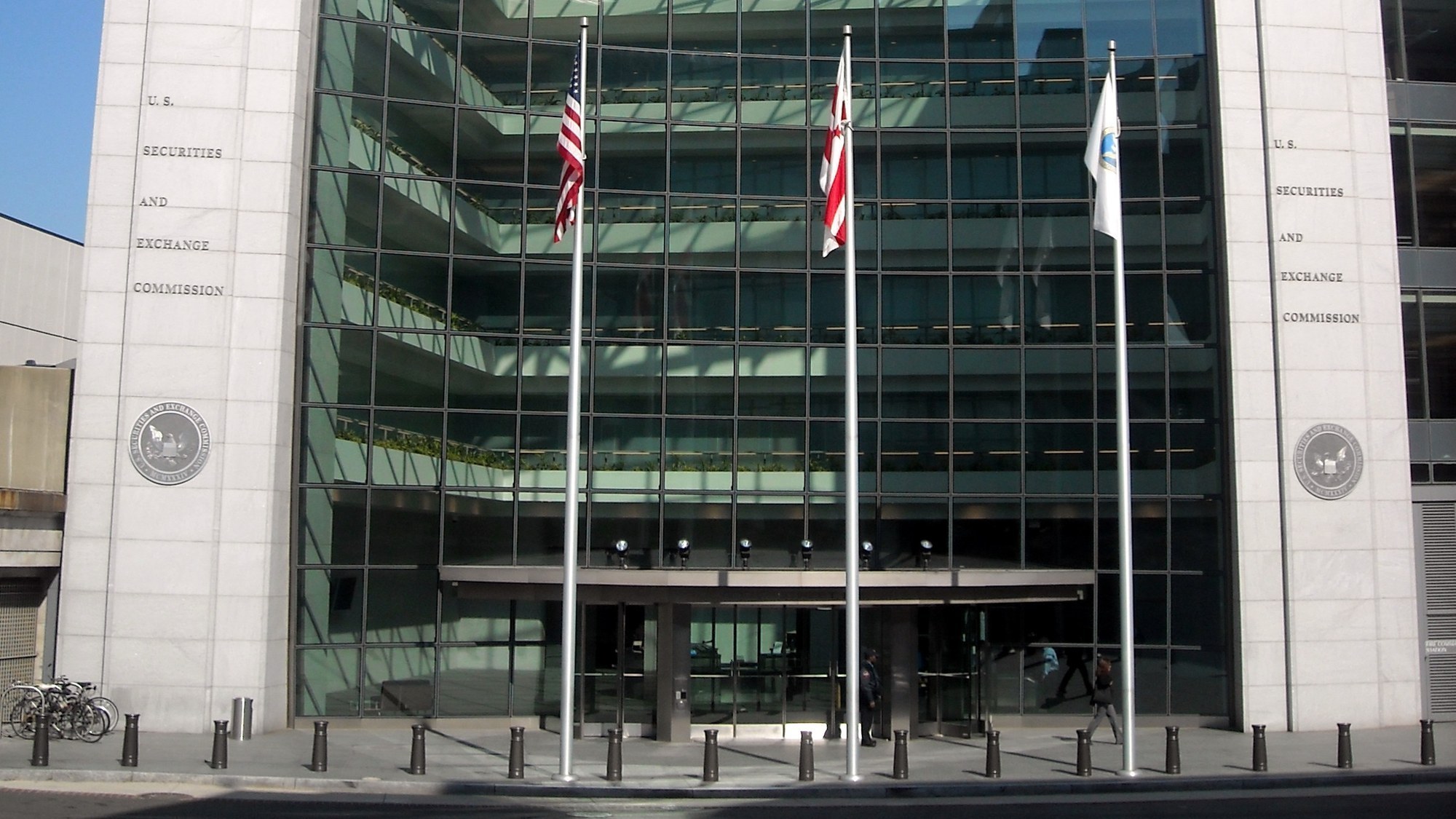
Daryl F. Heller, a 55-year-old from Lititz, Pennsylvania, ran two investment firms that collected more than $770 million from investors over seven years while causing roughly $400 million in losses, according to federal regulators and prosecutors who filed civil and criminal charges against him. The Securities and Exchange Commission and the U.S. Attorney’s Office for the Eastern District of Pennsylvania allege that Heller used his companies, Prestige Investment Group LLC and Paramount Management Group LLC, to funnel new investor money to earlier participants in a classic Ponzi structure. About 2,700 people lost money in the scheme, which operated from January 2017 through December 2024.
Why a seven-year, $770 million fraud went undetected
The scale and duration of the alleged fraud raise pointed questions about how Heller’s operations avoided scrutiny for so long. Between January 2017 and December 2024, prosecutors say that approximately $770 million was solicited from investors, with money flowing through accounts controlled by Prestige Investment Group and Paramount Management Group. That volume of capital moving through two closely held entities based in Lancaster County, Pennsylvania, apparently did not trigger decisive intervention until late in the scheme’s life.
One plausible explanation centers on how the firms were structured. Prestige Investment Group and Paramount Management Group operated as limited liability companies, a business form that requires only routine state-level filings to maintain. Unlike registered investment advisers, which must file detailed disclosures with the SEC through Form ADV and submit to periodic examinations, LLCs that avoid federal registration thresholds can operate with far less regulatory visibility. The seven-year window suggests that state-level formation filings, rather than federal investment-adviser registrations, served as the primary operational shield for the alleged scheme.
Regulators say Heller reinforced that shield with marketing that emphasized steady returns and physical assets. According to an SEC enforcement announcement, investors were told their money would be used to purchase, operate, or finance automated teller machines and related equipment. The government contends that while some ATM-related activity did occur, it was insufficient to generate the promised returns and was overwhelmed by the continual need for new investor funds to pay earlier participants.
For the approximately 2,700 investors who put money into Heller’s firms, the gap between solicitation and enforcement proved devastating. The SEC estimates investor losses at approximately $400 million, meaning that nearly half of all money raised was never returned or invested in legitimate assets. Many participants were allegedly encouraged to roll over maturing investments rather than withdraw, a dynamic that can mask losses until a scheme can no longer attract new capital.
Criminal and civil charges filed against Heller and his firms
Federal authorities pursued Heller on two parallel tracks. The SEC filed a civil enforcement action against Heller, Prestige Investment Group LLC, and Paramount Management Group LLC, alleging they operated a multi-year Ponzi scheme that raised more than $770 million and caused approximately $400 million in investor losses. The agency is seeking disgorgement of ill-gotten gains, civil penalties, and permanent injunctions barring Heller from participating in future securities offerings.
On the criminal side, a federal grand jury in the Eastern District of Pennsylvania indicted Heller on one count of securities fraud and four counts of wire fraud. If convicted on all counts, he faces substantial prison time under federal sentencing guidelines, along with potential restitution orders. The indictment specifies that Heller solicited approximately $770 million from investors during the scheme’s active period and that losses totaled approximately $402 million, a figure closely aligned with the SEC’s estimate.
Neither the SEC litigation release nor the DOJ indictment summary includes any statement from Heller or his attorneys. No public defense has appeared in the primary government filings, and the court docket will determine whether Heller contests the charges at trial or pursues a negotiated resolution.
Unanswered questions about victims and recovery
Several significant gaps remain in the public record. The headline figure of 2,700 investors does not reveal how losses were distributed among retirees, institutional participants, or intermediaries who may have pooled client funds into Heller’s offerings. The filings also do not spell out how many investors, if any, recovered their principal before the scheme collapsed, or how many were concentrated in Pennsylvania versus other states.
Another open issue concerns asset recovery. While regulators cite hundreds of millions of dollars in losses, they have not yet detailed what assets-such as bank accounts, real estate, business interests, or remaining ATM portfolios-have been frozen or seized. The size of any eventual restitution pool will depend on how much can be traced and clawed back from Heller, his companies, and potential third parties who received transfers of investor funds.
The cases also highlight broader questions about oversight of private investment vehicles that market high-yield products tied to specialized assets like ATMs, equipment leases, or niche real estate. Investors often rely on glossy marketing materials and word-of-mouth referrals rather than audited financial statements or independent custodians. Regulators have not yet indicated whether they will pursue additional actions against sales agents, feeder funds, or others who may have promoted Heller’s offerings.
For now, the civil and criminal proceedings mark the beginning, not the end, of the process for victims. As the cases move forward, courts will decide how much money can be recovered, how it will be distributed, and whether any additional individuals or entities bear responsibility for one of the largest alleged investment frauds to emerge from Pennsylvania in recent years.