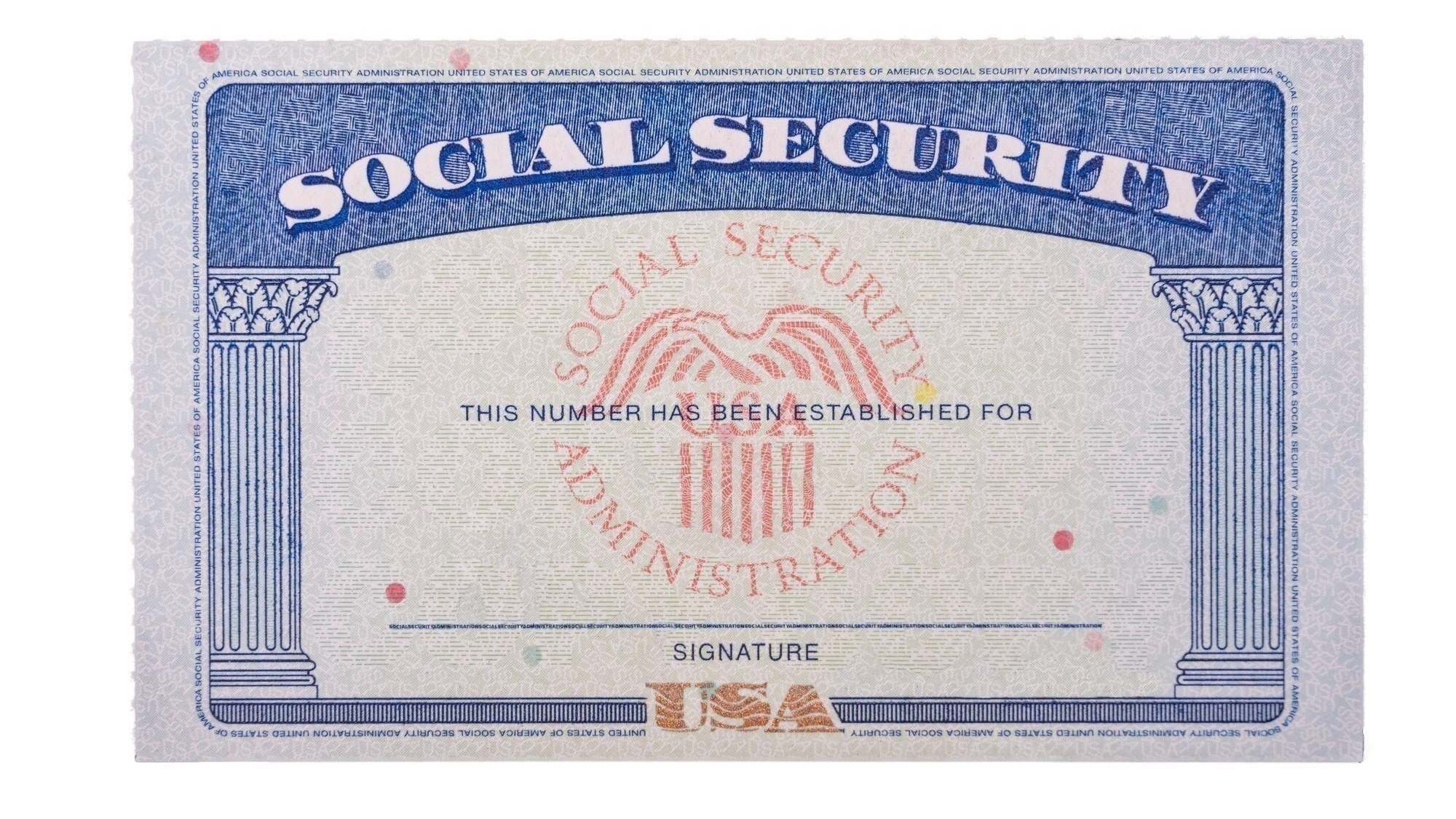
A 39-count federal indictment filed October 8 accuses four people in Pennsylvania of targeting the Social Security and food stamp benefits of intellectually disabled women. The Justice Department names Michael Swanson, Nicole Swanson, Caitlyn Eusden Swanson and David Dziobczynski, and puts the alleged losses at $27,227 from Social Security and $13,392 from SNAP. All four were arrested October 14 and are presumed innocent.
What the 39-count indictment charges
The indictment, filed in the Eastern District of Pennsylvania, charges wire fraud, mail fraud, kidnapping, transportation of individuals for illicit sexual activity, false statements, Social Security fraud, theft of government funds, SNAP fraud and cyberstalking. The department says the defendants “groomed, lured, and enticed intellectually disabled women” to control their benefits. The release was part of its October 21 nationwide announcement on SNAP fraud.
The Philadelphia Inquirer reported on October 14 that the victims are two intellectually disabled women from Delaware County, and that the house at the center of the case is in Chester. For families and caregivers of adults who get Social Security or SNAP through someone else, the question is who handles the money and who checks. The answer starts with the payee.
What changed this year: Social Security and Medicare change every year, and nobody sends you a memo. The Retirement Money Brief breaks down what changed and what to do.
Get the Retirement Money Brief →
We may earn a commission from links on this page.
How the benefits were taken, according to prosecutors
The Inquirer reported that the defendants had the women apply for new benefits and name the defendants as payees, then took the women’s EBT food cards and spent the money. It also reported that they gained control of bank accounts holding the women’s Social Security benefits. In July 2023, the paper said, Michael Swanson allegedly wired more than $20,000 from one victim’s account to his own.
The department’s estimates are $27,227 in lost Social Security benefits and $13,392 in lost SNAP benefits. The Social Security Administration’s inspector general is among the agencies the department lists as partners in the surge, with USDA’s inspector general, the FBI and Homeland Security Investigations.
The case has an earlier chapter in state court. The Inquirer reported that Delaware County authorities arrested Michael and Nicole Swanson in 2024, that charges against Nicole were dismissed that year, and that Michael was released on house arrest. In September 2026 a Delaware County judge ruled Michael mentally incompetent to stand trial in that case.
The Inquirer also reported that Dziobczynski, who owned the Chester house, allegedly called a Delaware County Child and Youth Services caseworker more than 110 times and left threatening voicemails. The department lists cyberstalking among the charges in the indictment.
No federal arraignment or trial dates have been reported. Federal prosecutors from the Eastern District of Pennsylvania are handling the case, and the release names Assistant U.S. Attorney Megan Curran as the prosecutor. The release says an indictment is only an allegation and that the defendants are presumed innocent.
How a representative payee works, and where it can fail
Social Security says it appoints a suitable representative payee to manage payments for beneficiaries who cannot manage them. The agency’s payee page says it looks first to family or friends and turns to qualified organizations when none can serve. That makes the payee, not the agency, the person who sees the money first.
Social Security says all payees are responsible for keeping records of how the payments are spent or saved, and for making those records available when the agency asks. Payees file an annual Representative Payee Report when the agency requires one. Parents or legal guardians of a minor in the same household, and spouses, are among the exceptions.
A beneficiary can also name up to three people in advance to serve as payee if one is ever needed, which the agency calls advance designation. Anyone worried that a beneficiary can no longer manage benefits can call Social Security at 1-800-772-1213 (TTY 1-800-325-0778) and ask for an appointment to talk it through. The payee page also links to the agency’s fraud reporting form.
The SNAP side of the case
SNAP benefits sit on an EBT card, and the Inquirer’s account is that the defendants took the women’s cards and spent what was on them. Households with a question about a single account go to their state SNAP office, which the USDA state directory links by state. A SNAP card taken from a relative is also a USDA matter, and the agriculture inspector general’s hotline accepts online complaints that need not carry a name.
The department’s national count in the same announcement is more than 40 defendants since September 1, with nearly $42 million of the losses involving SNAP. Agriculture Secretary Brooke Rollins said, “Every instance of SNAP fraud has two victims: families in dire need and taxpayers.” The Pennsylvania case adds a third group that the numbers do not capture: adults who depend on someone else to handle their money.
The indictment leaves open how a payee set up by family or friends is checked once it is in place, and how long money can move before anyone asks. For a family with an adult relative on Social Security, the question is who the payee is today and whether the relative ever sees a statement.
Who is watching a relative’s Social Security payee?
The Pennsylvania indictment says the defendants gained control of accounts holding the women’s Social Security money, and the department counts $27,227 in Social Security losses. A family that notices a missing or short payment has one day to start asking questions, and needs to know the payment dates to see it.
The Social Security Check Protection Kit does not investigate payees, report abuse or act as a government service. It gives the 2026 payment calendar so a family knows when the money should land, walks through locking the payment down, and includes a first-24-hours plan for a late or missing payment.
Get the check-lockdown steps for a relative’s benefit in the protection kit →
More Financial Reading
- 21 Ways to Stretch a $2,087 Social Security Check
- 15 Places to Find Your Share of the $4.25 Billion States Give Back
- 21 Ways Retirees Can Raise $1,000 Fast Without a Job
This article was produced with AI assistance and edited for accuracy against the sources linked above.