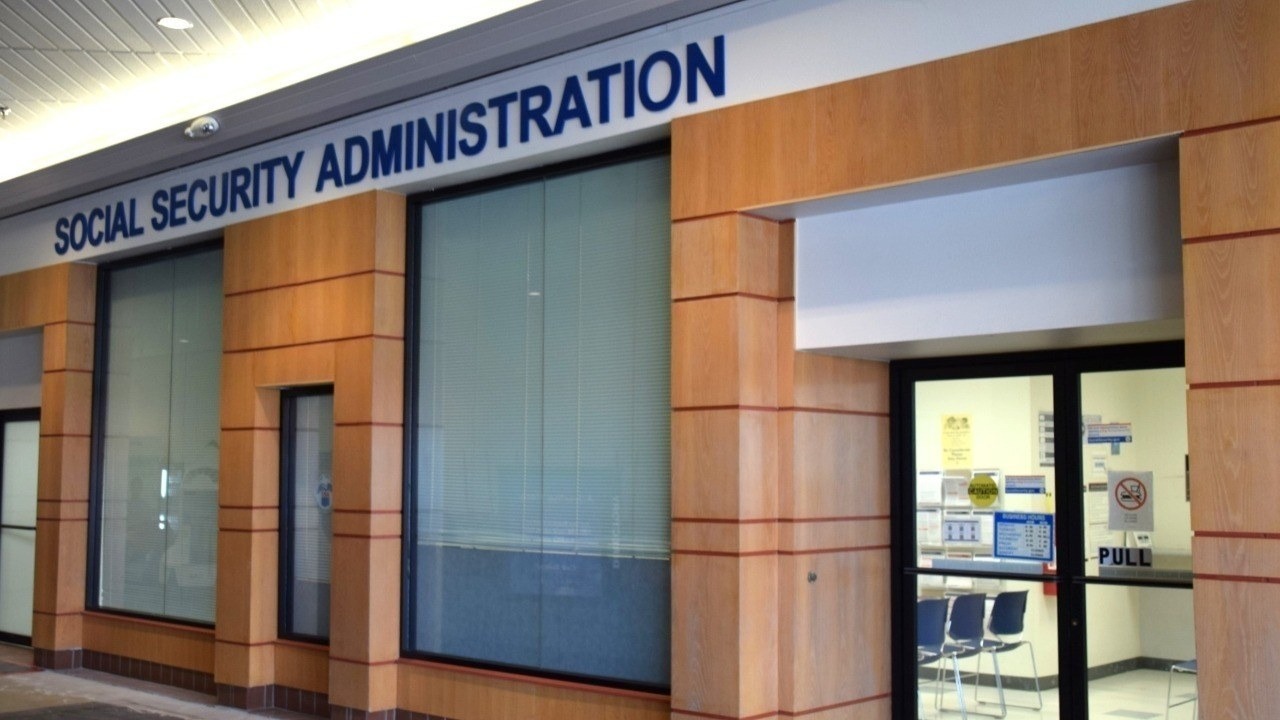
SSA information-collection notice, 2026-08-27 places the Social Security Administration development in a defined public record. The record identifies the named action, its stated scope and the qualification that limits what this announcement means. Those details, rather than a broad inference, are the basis for the article.
The Social Security Administration record
Annual respondents: 4,608,177 For Social Security Administration, the annual respondents entry sets the boundary of the announcement. It identifies what the issuing record measures and the setting in which the measure applies, rather than creating a claim about every household, provider, employer, or plan outside that record.
Burden: 16 minutes each, 1,228,847 total annual hours The source treats burden as a defined part of the Social Security Administration matter, not as a general change in eligibility, coverage, payment, or enforcement. Retaining that wording keeps the reporting tied to the program, contract, filing, or proceeding actually named by the issuing organization.
The form the notice never names: An overpayment notice sets a deadline and a withholding rate, but not which form pauses collection while it is disputed. See the three SSA forms in The Social Security Check Protection Kit.
The stated terms for Social Security Administration
Theoretical annual opportunity cost at $33.54/hour: $41,215,528 This Social Security Administration record supplies both a concrete point and its operating context. A public notice can report an allegation, a count, a sample, a timetable, or an administrative step without deciding an individual case or creating a universal entitlement.
Scope: enrollment information from OASDI beneficiaries and SSI recipients, including people who change their direct deposit banking information The document links scope to the Social Security Administration event it describes. Reading it with the stated scope avoids converting an institutional result into a personal account outcome. The linked source is used for the factual proposition itself, rather than as a vague citation at the end of the article.
What the Social Security Administration record does and does not establish
Authority: 31 CFR 210; OMB No. 0960-0634 For Social Security Administration, the time period and legal posture remain attached to this point. A result, estimate, allegation, enforcement action, or implementation step has a different meaning from a final payment or permanent rule. The source’s own label prevents those categories from being collapsed.
The reported Social Security Administration development has a narrower frame than an ordinary personal-finance rule. The SSA information-collection notice, 2026-08-27 source preserves that frame through its stated figures, dates and legal posture.
Where the Social Security Administration matter stands
The practical checkpoint for Social Security Administration is the SSA information-collection notice, 2026-08-27 record, because it identifies the agency, the scope and the date of the action. The public notice is the appropriate reference if later guidance changes the terms described here.
The article’s factual claims are limited to the items stated in the linked SSA information-collection notice, 2026-08-27 record for Social Security Administration. Its dates, figures and procedural labels are retained because each one defines the actual issue under discussion.
The source is most useful when the separate Social Security Administration elements are kept together: Annual respondents, Burden, Theoretical annual opportunity cost at $33.54/hour, Scope. Each appears in the record for a reason. Reading only the most striking figure without the associated program, date, condition or legal posture would remove the context that gives the development its actual meaning.
Nothing in the public notice substitutes for a later agency instruction, an account-specific letter, a plan document, a court order or a tax record where one controls. The reporting therefore stays with the defined event and its stated terms, while preserving the linked primary material for any later change.
That source-led approach also preserves the difference between the published Social Security Administration development and a personal outcome. The record can establish what the agency, court, regulator, company or auditor reported; it does not erase the separate rules that govern a particular file, claim, enrollment, tax return or account.
In this case, the source links the Social Security Administration development to a named institution and verifiable terms. Keeping the article anchored to those terms is the durable way to follow the matter if a subsequent release, response, appeal, implementation notice or correction changes the public record.
The result is a record-led account of the Social Security Administration development: the source states the action, the limits of the evidence, and the terms that would matter in any later update.
The limited number of published findings is itself part of the scope. The SSA information-collection notice, 2026-08-27 record reports the points it can support, and this article does not infer a broader result beyond those findings. That restraint is particularly important where the source describes a sample, a recommendation, a response, or a pending administrative action.
The documented follow-through for the Social Security Administration matter
The Social Security Administration record supplies the governing facts; the remaining work is keeping relevant documents and dates together. The The Social Security Check Protection Kit is built around that practical recordkeeping gap.
The Social Security Check Protection Kit contains an 18-page kit plus the 2026 payment calendar.
Compare the listed materials in The Social Security Check Protection Kit.
This article was produced with AI assistance and reviewed by an editor.