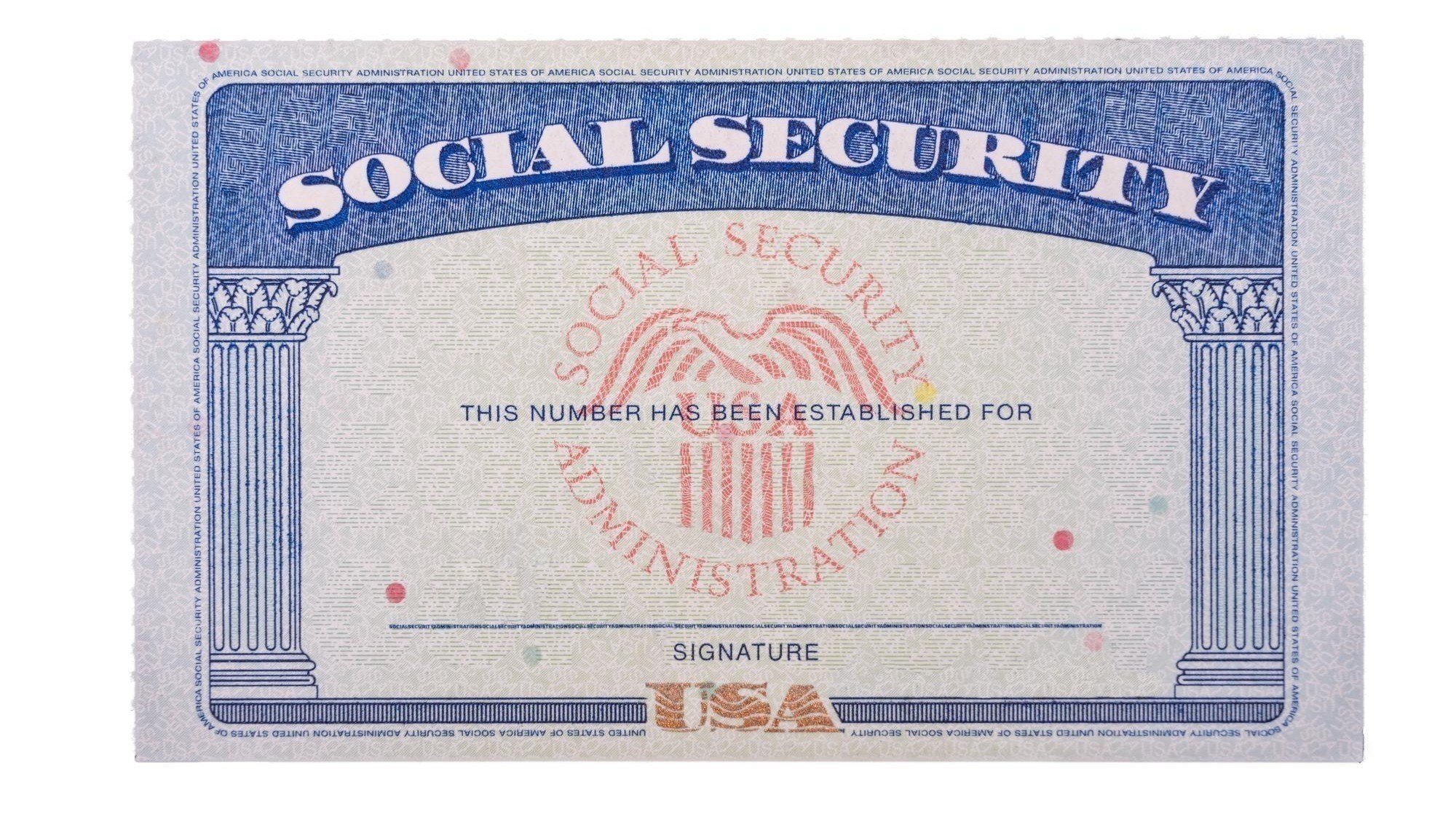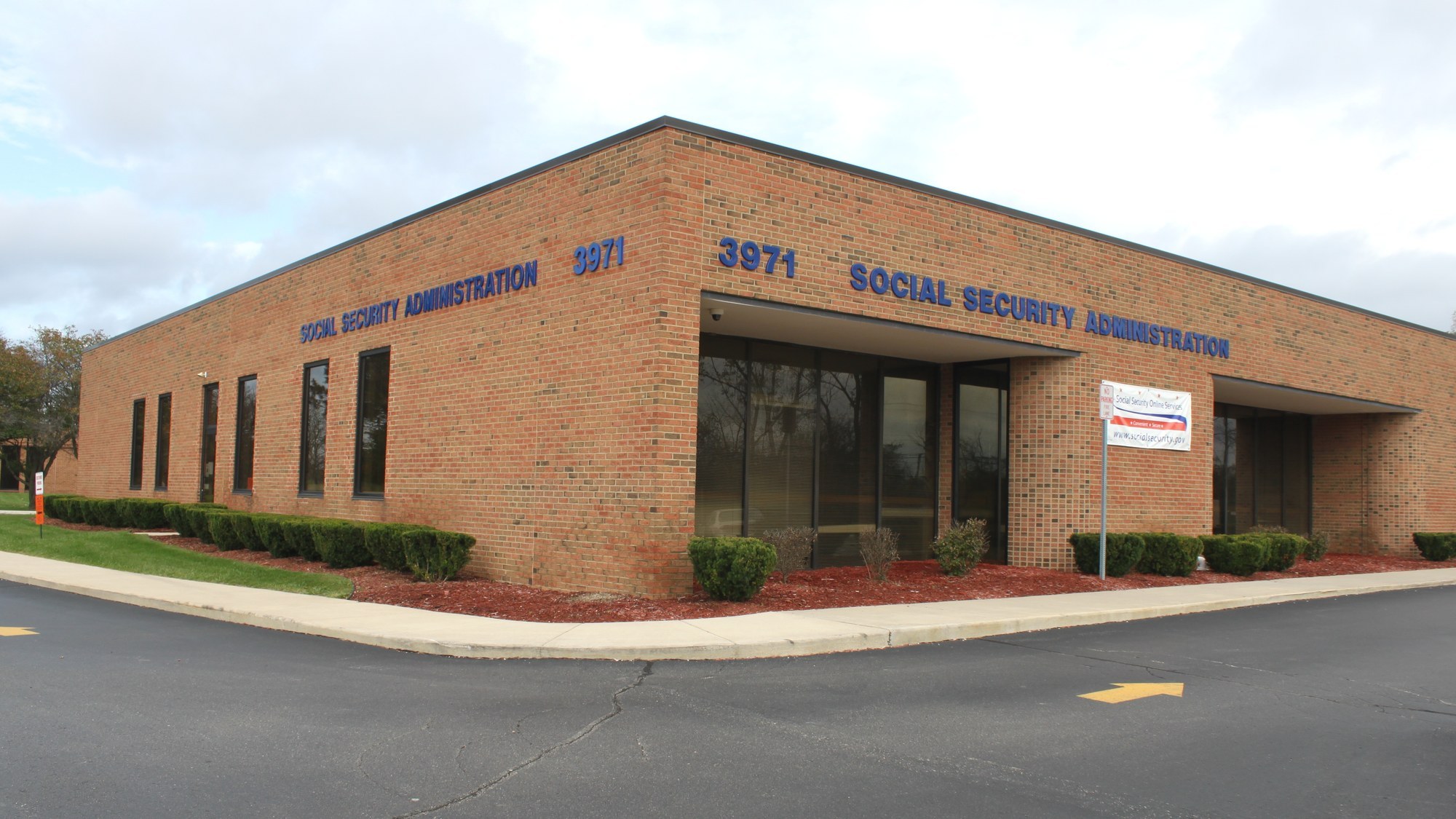
Social Security has stopped mailing paper checks to nearly all of the roughly 70 million people who receive retirement, survivor, disability, and Supplemental Security Income payments each month. The change follows a 2025 executive order requiring most federal benefit payments to move to electronic delivery, and the Social Security Administration says the shift took effect for the vast majority of recipients on September 30, 2025. Beneficiaries who once received a mailed check now choose between direct deposit into a bank account and a government-issued prepaid debit card. A small group of exceptions remains, and the agency says it intends to close that gap before the end of this year.
Executive Order 14247 and the September 30 Cutoff
Executive Order 14247, signed March 25, 2025, and titled “Modernizing Payments To and From America’s Bank Account,” directed federal agencies to phase out paper checks in favor of electronic transfers. The order reaches beyond Social Security to federal tax refunds and other government payments, but Social Security’s roughly 70 million monthly beneficiaries make the program the largest population affected by the switch. The Social Security Administration set September 30, 2025, as the operational cutoff for benefit payments, ending the routine option to receive a new paper check for most Old-Age, Survivors, and Disability Insurance and Supplemental Security Income recipients. The agency also stopped offering a temporary paper check when processing new initial claims, meaning first-time filers must set up an electronic payment method before a claim can be completed. Social Security has relied on the mailed check as a payment option since it began issuing monthly retirement benefits in 1940, making the current shift one of the most significant changes to how the program delivers money in its history.
Fewer than one percent of beneficiaries, an estimated 520,000 people as of mid-2025, were still receiving a mailed check when the rule took effect. Ahead of the deadline, the agency said every paper check mailed in the run-up to September 30 carried a printed insert explaining how to switch, and field technicians were instructed to walk beneficiaries through enrollment by phone rather than point them to a website alone. In an August 2026 update, the Social Security Administration said it plans to complete the transition to electronic payments for all beneficiaries this year, closing the remaining gap left by recipients who had not yet switched or who are working through a formal waiver.
Free retirement updates: Keep more of your Social Security and savings with plain-English updates on the changes, deadlines, and costly mistakes retirees miss. Subscribe free.
Direct Deposit Through a My Social Security Account
Beneficiaries with a bank account can switch by signing in to a personal my Social Security account and entering routing and account numbers directly, a process the agency says takes only a few minutes. A bank or credit union can also transmit direct deposit information to Social Security electronically on a customer’s behalf, without a visit to a field office. Once enrolled, payments arrive on the same monthly schedule tied to a birth date or claim type, without the multi-day mail delivery window a paper check requires.
Treasury cites reliability as a driver of the switch. Paper checks are roughly 16 times more likely to be lost, stolen, altered, or returned as undeliverable than an electronic deposit, and the average cost to print and mail a single check has climbed to $3.07, about 20 times the cost of an automated transfer. Treasury estimates the difference saves the federal government millions of dollars a year in printing, postage, and fraud-replacement costs, a savings that compounds every month Social Security issues payments to tens of millions of households. Multiplied across tens of millions of monthly payments, that gap in cost and fraud exposure is the financial case the administration has made for closing out paper checks almost entirely.
The Direct Express Prepaid Debit Card for the Unbanked
Beneficiaries without a bank account are not required to open one to comply. The Direct Express prepaid debit card, a Treasury-sponsored program enrolled through Go Direct or by phone, deposits a monthly benefit onto a reloadable card usable at ATMs, retail checkout counters, and for automatic bill payment, functioning much like an ordinary debit card without a linked checking account. Fifth Third Bank became the Direct Express financial agent on September 9, 2025, under a five-year agreement with Treasury’s Bureau of the Fiscal Service, a management change that did not interrupt existing cardholders’ balances or card numbers.
Enrollment in Direct Express requires only a Social Security number, benefit claim information, and a mailing address, and a new card typically arrives within seven to ten business days of signup. More than three million federal benefit recipients already use the card, and the program has become the default fallback for retirees who distrust electronic banking or lack easy access to a branch.
Waivers for Beneficiaries Who Cannot Go Electronic
Not every beneficiary is expected to comply immediately. The Treasury Department allows a formal waiver for people who lack access to a bank or the internet, live in a remote area without a nearby financial institution, or face a documented mental impairment that makes electronic enrollment impractical. Securing that exception requires a phone call to Treasury’s Electronic Payment Solution Center rather than a Social Security field office, since the waiver is administered under Treasury’s rules rather than Social Security’s own claims process.
In its September 10, 2025 letter to advocates and partner organizations, the agency asked caseworkers to help clients apply for direct deposit or Direct Express before the cutoff and warned that beneficiaries who neither switch nor file a waiver risk a disruption in payment timing. Field offices no longer issue temporary paper checks to bridge that gap, which is why the agency has continued pressing the remaining holdouts through mailed notices and outreach into 2026 rather than treating the September 2025 deadline as the end of the transition.
This article was produced with AI assistance and reviewed by The Financial Wire editorial team.
More Financial Reading
- Adding someone to your bank account: tax traps and smart moves
- Bank statements: how long to keep them and when to toss them