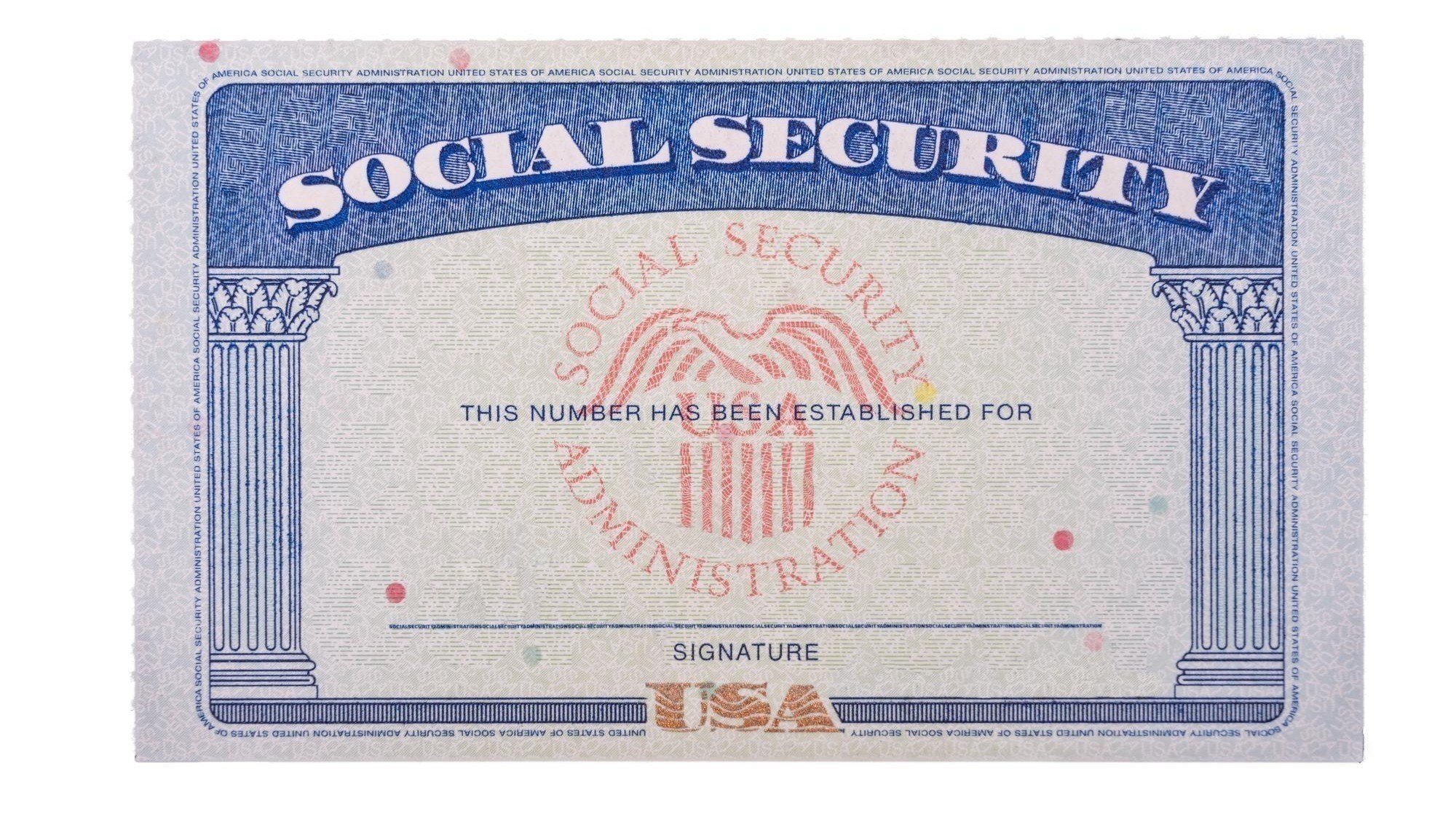
Social Security now charges $74 to manually verify a Social Security number for a third party and $151 to copy a paper file. The fees took effect Oct. 1 and apply to requests the agency receives on or after that date. They cover records requests, not benefit payments, and no one’s monthly check changes.
The agency’s general counsel, Mark Steffensen, signed the fee notice, which carries docket number SSA-2026-0793. It sets a price for each kind of records request, and the full list is longer than the two headline fees.
The full Social Security records fee schedule
The Federal Register notice lists these standard fees, each charged per request:
- Third Party Manual SSN Verification: $74
- Copying a Paper Folder: $151
- Copying an Electronic Folder: $75
- Field Operations Headquarters Certification, for requests received in a field office, regional office or headquarters component: $65
- Record Extract, for requests received and processed in a field office: $46
- Central Processing Certification: $30
- W-2/W-3 requests: $54 for each W-2 or W-3
- Form SSA-7050, detailed yearly earnings information: $49, with certification adding $30
- Copy of the original Form SS-5, the application for a Social Security card: $23
- Copy of a Numident record, the computer extract of the SS-5: $22
The notice says fees rest on the agency’s most recent cost analysis. A request for something not on the list is priced case by case, and extra work such as redactions or special services can change the fee. Social Security must review the standard fees at least every two years.
How Social Security collects the money
The agency cites Section 1106 of the Social Security Act and the Privacy Act. Section 1106(c) lets it require payment of the “full cost of providing the information” when records are sought for purposes outside its own programs. That is the legal basis for charging.
Payment is due in advance and is nonrefundable. Social Security accepts a check, money order or credit card, and it does not accept cash. Each request takes one form of payment for the full fee, and the amount cannot be split between two methods.
The question for most readers is which requests cost money and which do not. Someone who needs a printout of their earnings record can start with the free online Statement, which the notice says shows uncertified yearly earnings “free of charge” but leaves out employer information. A request that needs employer detail, certification or a copy of a file moves into the paid list above.
Retirement deadlines, in your inbox: Miss an enrollment or claim deadline and the money can be gone. The Retirement Money Brief keeps you ahead of the ones that matter, every weekday.
Get the Retirement Money Brief →
We may earn a commission from links on this page.
The W-2 and W-3 fee is charged per document, at $54 each, so a request covering several years or several employers costs more than one document. The $49 charge for Form SSA-7050 buys detailed yearly earnings, and a certified copy adds $30. Those add-ons can double a small request.
What stays free and where to find it
Social Security’s Statement page says the online Statement shows personalized retirement estimates at nine different ages along with an earnings history. It is available to anyone who creates a my Social Security account. People 60 or older who do not have an account are still mailed a Statement three months before their birthday.
The notice itself lists no fee for Form SSA-7004, the request for yearly earnings totals that are not certified. Anyone who needs only a total of earnings by year can compare the free Statement with that form before paying for SSA-7050, which costs $49 and adds employer-level detail.
The notice does not say that people asking for their own records are exempt from these fees. It refers to a public-interest waiver for certain Freedom of Information Act requests under 20 CFR 402.85. Anyone unsure which category a request falls into can call the contact listed in the notice, Stephen Hull of SSA Accounting, at (410) 966-1890.
Records of someone who has died, and hourly search charges
Families sometimes need records for a person who has died. The agency’s records request page lists $23 for a copy of an SS-5 and $22 for a Numident extract, matching the new schedule. It warns that it will not process a request without exact payment and that cash should never be mailed.
For other records, the same page says search and review time is billed by the hour for fee notices issued on or after Sept. 1, 2026. The rates are $26.80 for grades GS-1 through GS-8, $53.98 for GS-9 through GS-14, and $94.49 for GS-15 and above. A person has 30 calendar days from the fee notice to pay.
A requester can narrow the request or set a spending limit to keep the cost down. The page cautions that a limit too low to cover the search and production means the request cannot be processed at all.
What a records fee means for the next request
For anyone who has a request in the mail, the date that matters is the day Social Security receives it. Requests received on or after Oct. 1 are priced from the new table, and the agency collects payment in advance.
Whether a particular request will cost $74, $151 or nothing depends on what is being asked for and by whom. The Federal Register notice and the agency’s request pages state the prices. People who need only an earnings total or a benefit estimate can start with the online Statement before paying for anything.
Paying Social Security $151 for a paper file?
A records request that goes in with the wrong form, the wrong payment or the wrong date can come back unprocessed, and the fee is nonrefundable. Money sent for a record that the online Statement would have answered is money that does not come back.
The Social Security Check Protection Kit is built around the 2026 payment calendar and the paperwork that goes with it. It shows what to do when a Social Security notice or payment change arrives, so the next letter from the agency does not turn into a missed date.
Keep every Social Security notice and date in the check protection kit →
More Financial Reading
- 21 Ways to Stretch a $2,087 Social Security Check
- 15 Places to Find Your Share of the $4.25 Billion States Give Back
- The New $6,000 Senior Deduction and 14 More Tax Moves for Retirees
This article was produced with the assistance of AI and reviewed by the editorial team.