Homebuyers across the United States are pulling back from the market as mortgage rates hover near 6.5 percent and listing prices sit at record levels. Pending home sales have now declined for a fourth consecutive week, reflecting an affordability squeeze that shows no sign of easing. The 30-year fixed rate has barely moved in roughly six weeks, keeping monthly payments elevated and sidelining households that might otherwise be shopping for a home.
Affordability pressure at 6.5 percent locks out buyers
The core problem is straightforward: home prices keep climbing while borrowing costs refuse to fall. Freddie Mac’s weekly Primary Mortgage Market Survey has tracked the 30-year fixed rate in a narrow band recently. One week the average stood at 6.53 percent before slipping to about 6.48 percent, then rising again to 6.52 percent the following week. That 6.52 percent reading sat just below the highest level of the year, according to Associated Press coverage of Freddie Mac data. A subsequent reading came in at 6.49 percent, little changed from its range over the prior six weeks.
For a buyer financing $400,000 at 6.5 percent, the monthly principal and interest payment runs roughly $2,528, hundreds of dollars more than it would be at the sub-5 percent rates available just a few years ago. When record asking prices push that loan balance higher, the gap between what sellers want and what buyers can afford widens fast. Markets where median household incomes already stretch thin against local listing prices feel the strain most acutely. In those areas, even small rate increases translate into thousands of additional dollars in annual housing costs, enough to knock a meaningful share of would-be buyers out of qualification.
The hypothesis that the steepest pending-sales declines would appear in markets with the smallest cushion between asking prices and local incomes aligns with the pattern these rate readings describe. When rates stay above 6.4 percent for more than four straight weeks, buyers in already-stretched metros lose purchasing power they cannot recover through negotiation alone. Sellers in those same markets face a shrinking pool of qualified offers, yet few have cut prices enough to offset the higher financing costs.
Freddie Mac rate data shows a stubborn ceiling
The consistency of the rate data tells its own story. Freddie Mac reported the 30-year fixed average at 6.48 percent, then 6.52 percent, then 6.49 percent across consecutive weekly surveys. Bond yields, which heavily influence mortgage pricing, eased slightly at points but never enough to push rates meaningfully lower. The result is a market stuck in a holding pattern: rates high enough to discourage new contracts, yet not so high that they trigger a sharp correction in home values.
That stability cuts both ways. Existing homeowners locked into sub-4 percent mortgages have little incentive to sell and trade up, which keeps inventory tight and props up prices. New listings that do appear often carry asking prices reflecting the seller’s own replacement cost, a figure inflated by the same rate environment. Buyers, caught between limited supply and expensive financing, are responding by stepping back. Four straight weeks of declining pending sales is the clearest signal yet that the standoff has shifted bargaining power away from sellers and toward households willing to wait.
Still, the ceiling on rates has also prevented the kind of panic that might force a rapid reset. With the 30-year fixed hovering just below recent peaks rather than spiking dramatically higher, most owners are not facing sudden payment shocks. Delinquencies remain relatively contained, and forced selling has not flooded the market with discounted inventory. In effect, the stubbornly steady readings around 6.5 percent have frozen both buyers and sellers in place.
Regional splits and a thinner pipeline of deals
The national averages mask meaningful regional differences. In high-cost coastal metros where prices surged during the pandemic, the combination of elevated rates and lofty valuations has produced some of the sharpest pullbacks in contract activity. By contrast, more affordable Midwestern and Southern markets have seen slower declines in pending sales, though even there, the higher cost of borrowing is trimming the number of qualified buyers.
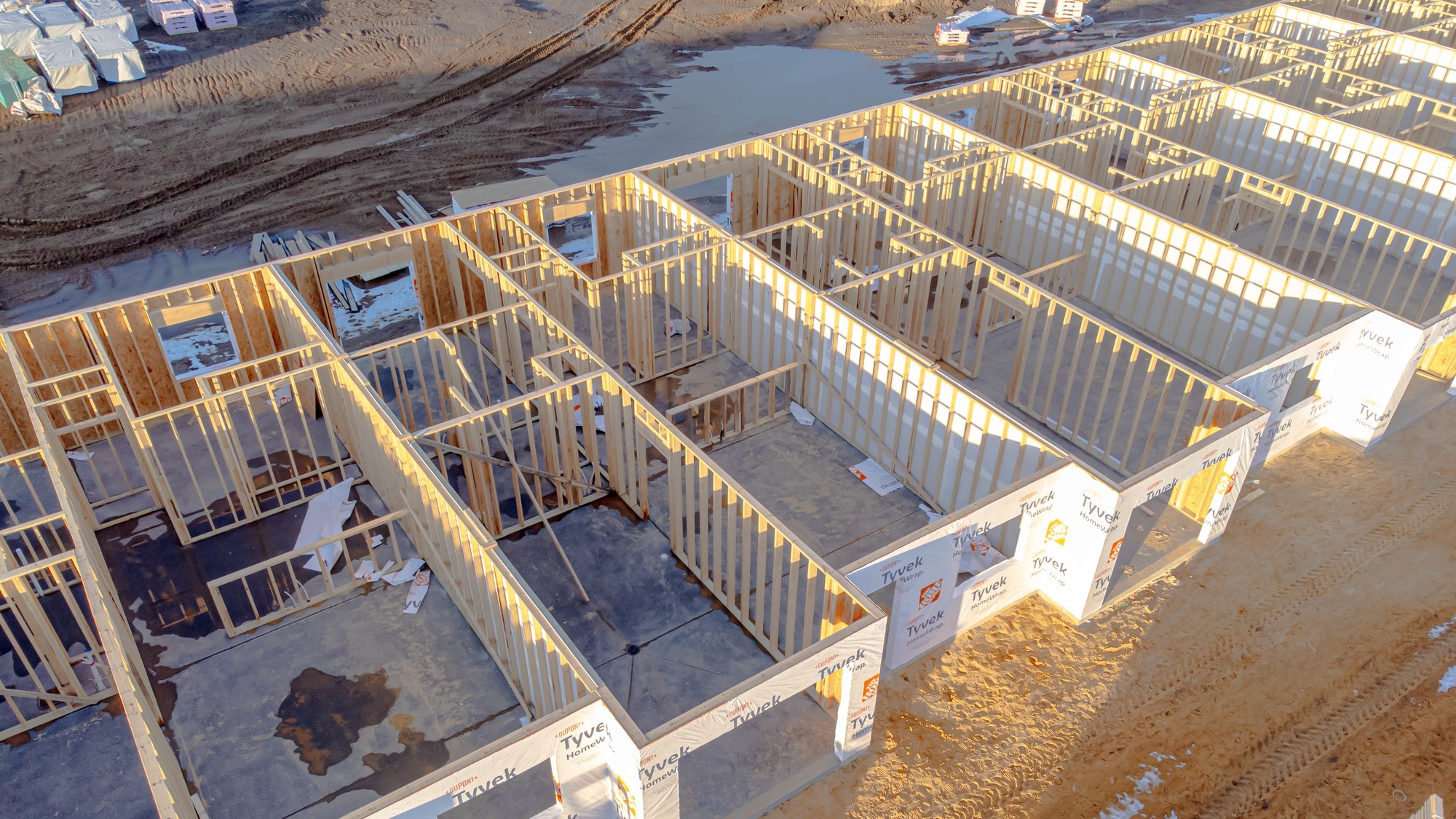
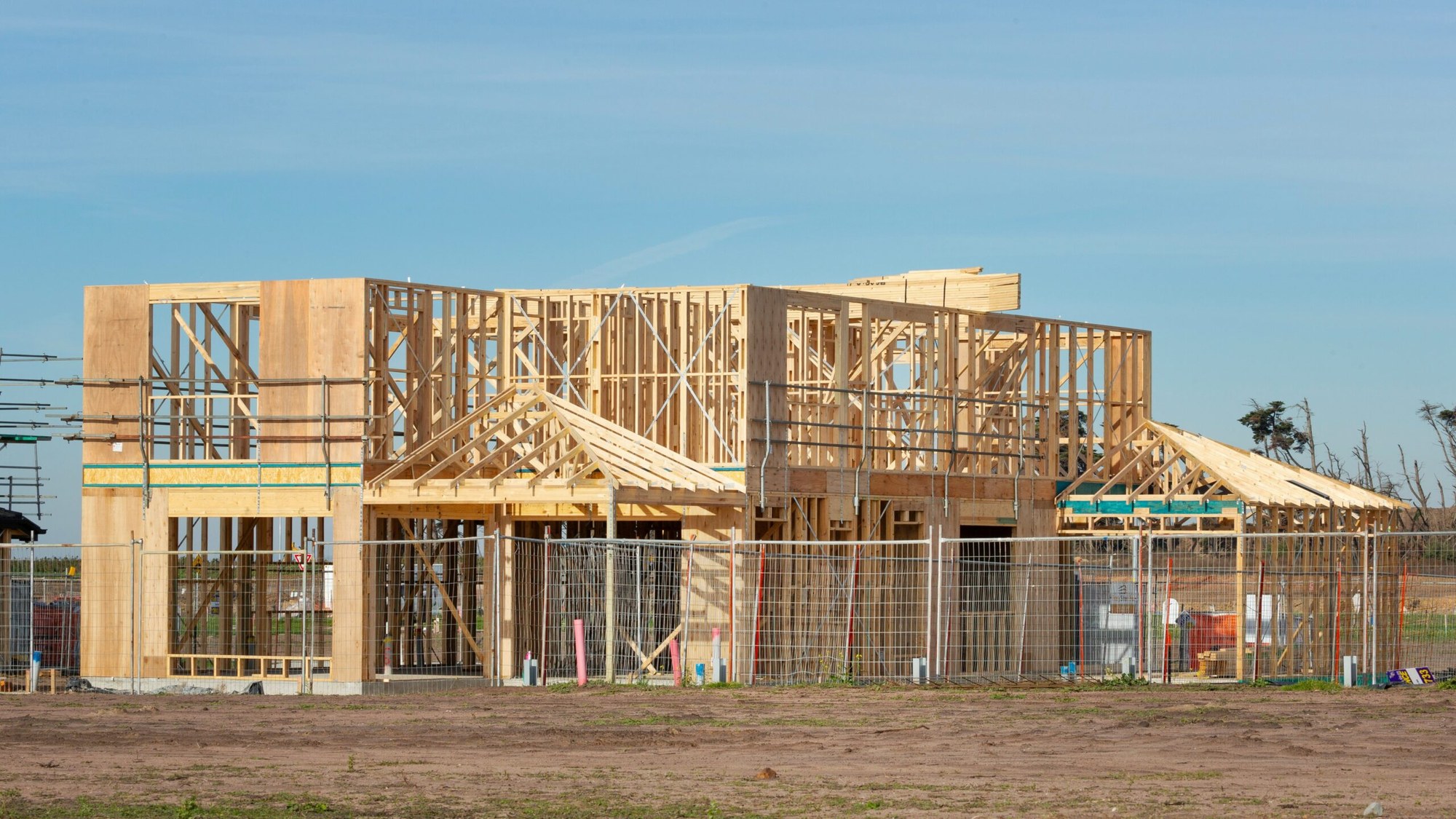
Industry data show that new listings remain well below pre-pandemic norms, reinforcing the supply squeeze. Builders have added some inventory, but higher financing costs for construction loans and cautious buyer traffic have limited how aggressively they can ramp up. According to recent AP reporting, many would-be sellers are choosing to renovate or stay put rather than give up their lower-rate mortgages, further thinning the pipeline of homes available for purchase.
For real estate agents and lenders, the result is a slower, more competitive chase for each transaction that does materialize. Buyers who remain in the market are often highly motivated, but they face stricter underwriting standards and tighter budgets. Sellers, meanwhile, are learning that aspirational pricing can backfire when buyers’ monthly payment limits are already stretched by rates near 6.5 percent.
What could break the stalemate?
Looking ahead, the housing market’s direction hinges largely on the path of interest rates and broader economic conditions. A sustained decline in mortgage rates, even by half a percentage point, would meaningfully lower monthly payments and could coax some sidelined buyers back into the hunt. Conversely, any renewed move higher would likely deepen the pullback in pending sales and put fresh pressure on prices in the most overextended markets.
Until that shift arrives, the current environment favors patience. Buyers with flexible timelines are increasingly choosing to keep renting or remain in their existing homes rather than stretch for a purchase that feels misaligned with their budgets. Sellers who must move are being pushed toward more realistic pricing and concessions, from closing-cost credits to rate buydowns, to keep deals from falling apart in underwriting.
For now, the numbers around 6.5 percent function as both a psychological and financial barrier. As long as the 30-year fixed rate hovers near that level and home prices resist meaningful declines, the affordability squeeze that has driven four weeks of falling pending sales is likely to persist, keeping the housing market in a prolonged, uneasy stalemate.