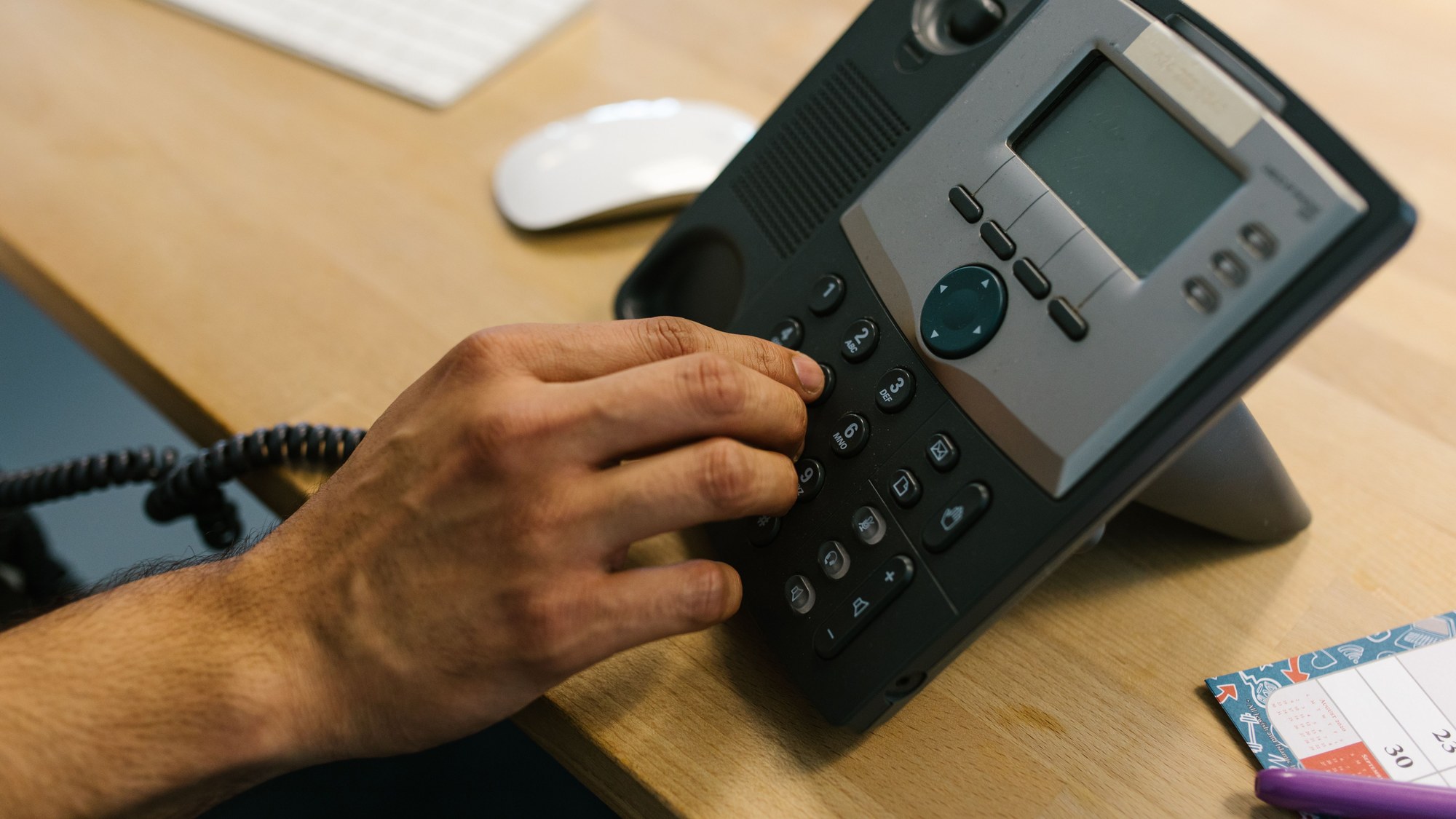
Social Security does not accept gift cards, wire transfers, cryptocurrency or cash by mail, and a caller who demands payment any of those ways is a scammer. The agency has said so in plain terms since at least 2022, when it wrote, “We do not accept gift cards, wire transfers, internet or cryptocurrency, or cash by mail.” Its scam page, still posted, lists the same payment methods among the tactics criminals use when they pose as the agency.
Affiliate links — we may earn a commission.
What does Social Security say it will never do?
The line comes from a Dec. 15, 2022 agency blog post by Stephen McGraw titled “Helping You Avoid Scams this Holiday Season.” Alongside the payment sentence, the post lists things the agency says it will not do: suspend a Social Security number, threaten arrest or legal action unless someone pays immediately, promise a benefit increase in exchange for payment, or send letters with personal information by email.
A March 2023 post goes a step further and names prepaid debit cards as well. It says the agency will never ask anyone to send gift cards, prepaid debit cards, wire transfers, internet currency or cryptocurrency, or cash through the mail. The payment routes it lists are Pay.gov, online bill pay, and a check or money order at an agency office.
How does the scam usually unfold?
The agency’s scam protection page describes a pattern. Criminals pretend to be from a trusted agency, claim there is a problem or a prize, push the person to act at once, and say how to pay. They can reach people by call, email, text, letter or social media, and the page says they may use the names of real employees and send pictures or attachments as “proof.”
The payment demands the page lists are gift cards, gold or silver, prepaid debit cards, wire transfers, cryptocurrency and mailed cash. Other tactics include threats to suspend a Social Security number or seize a bank account, a claim that a cost-of-living adjustment requires payment or personal information, and a request for secrecy. Numbers can be spoofed, including those of local police.
Stay ahead of government payment news: We explain each government payment update in plain English, with the one step to take. Join the Retirement Money Brief, one email every weekday from Ellen at RetireShield, and we’ll send you our 2026 Government Check Reality Tracker as a welcome gift.
Get the Brief + the check tracker →
We may earn a commission from links on this page.
Does a transferred call prove the caller is real?
No, and the agency added a warning about it on July 29, 2026. Its alert says legitimate companies and agencies cannot transfer a call directly to Social Security or to its Office of the Inspector General. A caller who says he is passing someone to a federal investigator is describing a step the agency says does not exist.
The same page warns that scammers may send photos of badges or credentials, and that federal employees will never send those photos to demand payment. Social Security will also never ask for sensitive personal information through social media, email or text, according to the page.
How does a real money request arrive?
The 2022 post says a person who owes money gets a letter with payment options and appeal rights. That letter, not a phone call, is where a real balance would show up. Anyone unsure about a call or message can hang up, skip the links and attachments, and talk to someone they trust before doing anything, the scam page advises.
Automated emails and texts come from the agency only when someone signed up for them or as extra security on a my Social Security account, per the 2022 post. The scam page adds that if anyone tries to change an address or direct deposit without permission, the account holder gets an alert through that account.
What are the agency’s steps for any suspicious contact?
The scam page boils its advice down to a short list:
- Pause and talk to someone trusted if a message causes a strong emotional reaction or feels rushed.
- Hang up or ignore the message, and do not click links or open attachments.
- Never pay with gift cards, precious metals, prepaid cards, cryptocurrency, wire transfers or cash.
- Be wary of anyone claiming to be from a government agency about a problem you do not recognize, even if the person has some of your personal information.
- Share warnings with friends and family, and report the scam.
The caution about personal details matters because a caller who reads out a name, an address or the last digits of a number is not proving anything. Those details can come from earlier breaches or public records, so the test is the payment demand, not how much the caller seems to know.
What happens if a payment already went out?
The scam page tells victims to stop communicating, block the scammer and call local police. It also points to signing in or creating a my Social Security account, adding a fraud alert at Equifax, Experian and TransUnion, and reporting identity theft at identitytheft.gov. Reports of Social Security scams go to the inspector general’s office or to the FTC at 877-382-4357. Incogni sends removal requests to data brokers and people-search sites for you and keeps re-sending them.
Ready for the next “Social Security” caller?
A caller who says Social Security needs a gift card, wire or crypto payment is counting on an older person to act before checking anything. The agency says it does not take those payments, but a scammer with a spoofed number and a convincing script can still make the call feel urgent.
Scam-Proof Your Accounts in a Weekend is a 13-page guide that includes how to freeze your credit at all three bureaus, how to lock your bank logins with two-step login, alerts and a verbal password, and a family code word for fake grandchild-in-trouble calls. It is a weekend of setup so the pressure of a call has less to work with.
Get the weekend guide to locking your accounts against scam calls →
This article was produced with AI assistance and edited for accuracy against the sources linked above.