On April 25, 2026, a $16 billion financing package closed for Oracle’s planned hyperscale AI data center campus in Saline, Michigan, ranking it among the largest single-project infrastructure deals in U.S. history. Bank of America led the effort, placing $14 billion in bonds with institutional investors that included funds managed by PIMCO, Bloomberg reported. PIMCO has not independently confirmed its participation.
But the capital arrived under a legal cloud. Just eight days before the deal closed, Michigan Attorney General Dana Nessel filed an appeal in the Michigan Court of Appeals challenging the utility contracts that would power the facility. The collision between Wall Street’s appetite for AI infrastructure and a state regulator’s duty to protect electricity customers is now playing out in real time.
Inside the $16 billion deal
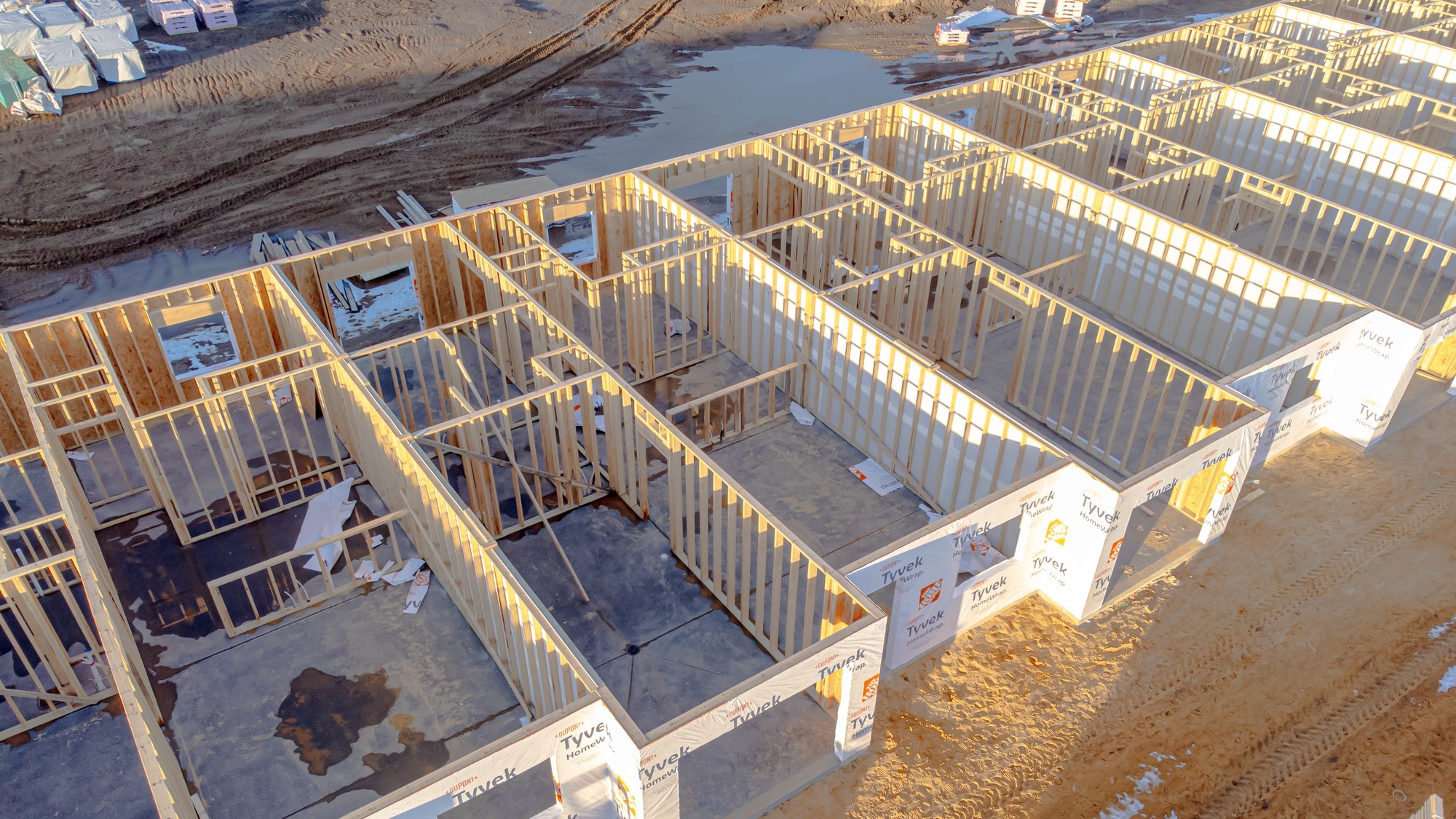
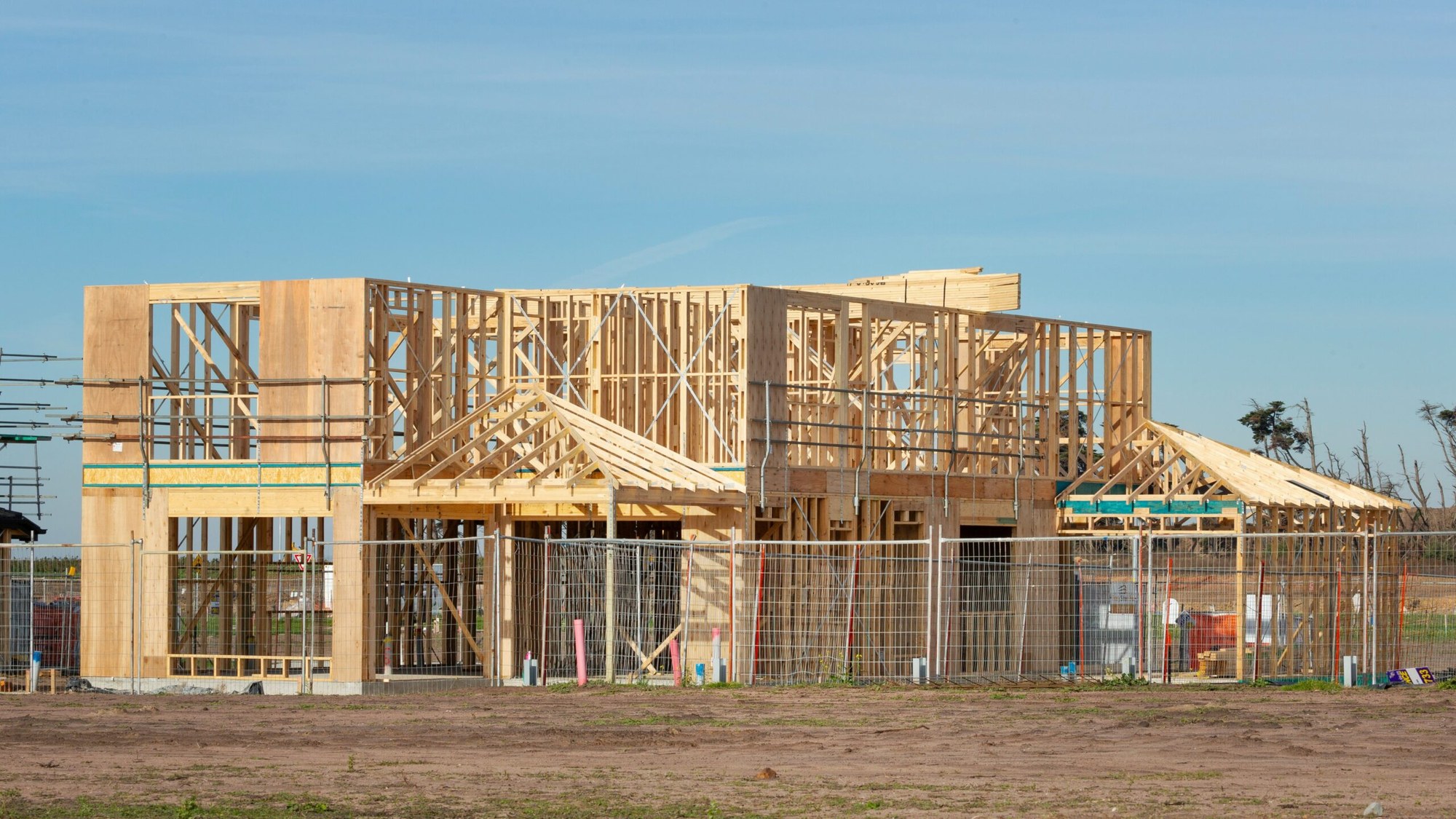
Related Digital, the digital infrastructure arm of New York-based Related Companies, is developing the campus for Oracle, which plans to use the site to support its expanding cloud and AI computing operations. In Oracle’s most recent quarterly earnings call in early 2026, executives described the Saline facility as part of the company’s broader push to expand cloud capacity to meet surging demand for AI workloads, though they did not disclose specific financial commitments tied to the site. The campus is designed for 1.4 gigawatts of electrical capacity, roughly enough to power a million homes by standard industry estimates and comparable to the output of a large natural gas combined-cycle power plant.
Of the $16 billion total, $14 billion came through the bond sale led by Bank of America. How the remaining $2 billion is structured, whether through equity, mezzanine debt, or other instruments, has not been publicly detailed. Related Digital’s equity stake, its contractual arrangement with Oracle, and the specific terms governing construction risk and cost overruns also remain undisclosed in available filings.
The scale of the financing reflects how aggressively institutional capital is pursuing AI-related infrastructure. Yet the narrow eight-day window between the AG’s legal challenge and the bond closing raises a pointed question: did investors fully price in the regulatory risk, or are they betting it will not materialize?
Neither Bank of America nor the project sponsors have publicly addressed how the appeal factors into the deal’s terms. In standard project-finance transactions of this size, covenants and drawdown milestones are typically tied to regulatory outcomes, but the specific triggers governing this financing have not been reported.
What Nessel’s appeal targets
Nessel’s appeal challenges the Michigan Public Service Commission’s conditional approval of special electricity contracts between DTE Energy and the data center project. In her office’s press release, the attorney general stated: “Michigan ratepayers should not be forced to subsidize sweetheart energy deals for a single corporate customer, no matter how large the project.” The full appeal brief and its precise legal theories have not been made public.
The central concern, as outlined in the press release, is whether preferential energy arrangements for a single massive customer could shift costs onto residential and small-business ratepayers. At 1.4 gigawatts, the Saline campus would represent one of the largest new loads ever added to a single utility’s system. The terms under which DTE supplies and charges for that power will ripple across every customer class the utility serves.
The specific conditions the MPSC attached to its approval have not been detailed in the public record, and that distinction matters. If Nessel is challenging a narrow procedural defect, the case could resolve quickly. If the appeal targets the fundamental rate structure, it could delay or reshape the project’s energy supply and alter its financial footing.
No public timeline for the Court of Appeals proceedings has been set. Whether the court grants interim relief, such as a stay of the MPSC’s approval, could directly affect construction schedules and power-delivery milestones.
A national test case for AI and the grid
The Saline project sits at the collision point of two powerful forces. Technology companies are racing to lock down the physical infrastructure needed to train and run AI models, driving a construction wave that the U.S. Energy Information Administration has flagged as a significant driver of electricity demand growth through the end of the decade. At the same time, state regulators and attorneys general are beginning to ask whether the energy appetite of these facilities is compatible with grid reliability, fair rate design, and emissions targets.
Michigan is not the only state wrestling with these tensions. In Virginia, Dominion Energy has faced scrutiny over the grid strain caused by the dense cluster of data centers in Loudoun County. Georgia Power has proposed rate structures to manage new large-load customers, and Texas regulators have debated interconnection rules for facilities that can consume hundreds of megawatts. But the sheer scale of the Saline campus, and the speed at which its financing came together despite an active legal challenge, makes it a bellwether for how these conflicts will be resolved.
Formal economic impact projections for the campus, including job creation estimates and local tax revenue, have not been published by any state or local agency. Those figures will likely become central to the political case for the project, but until an official study is released, they remain unverified.
Three developments that will shape the Saline standoff
Three developments will determine how this standoff unfolds. First, whether the Court of Appeals grants any interim relief that could pause construction or power-delivery milestones. Second, whether Bank of America or the project sponsors disclose more about the covenants and contingency plans embedded in the $16 billion financing, which would reveal how legal risk has been allocated among investors. Third, whether the MPSC or DTE release documentation showing how costs tied to serving the data center will be distributed across customer classes.
Capital markets have placed a massive bet on AI infrastructure in Michigan, and the state’s top law enforcement officer is testing whether that bet was made on terms the public can afford. The outcome will set a precedent that investors, utilities, and regulators in every state with a growing data center pipeline will be watching closely. In Saline, the question is no longer whether the money is there. It is whether the grid, and the people who depend on it, can absorb what comes next.