Soda, candy, and other snack-aisle treats have dropped out of what SNAP benefits can buy in 18 states, the result of a wave of federal waivers the U.S. Department of Agriculture has approved over the past year. The restrictions vary by state in exactly what they cover, but the common thread is the same: sugary drinks and candy that used to be eligible purchases under the Supplemental Nutrition Assistance Program no longer are.
How the Waivers Reached 18 States
USDA has approved food-restriction waivers for 23 states seeking to bar SNAP recipients from buying soda and candy, part of a broader push tied to public-health goals around diet-related illness. Not every approved waiver is currently enforceable, however. A federal court ruling in June 2026, in a case known as Aragon v. Rollins, blocked the restrictions in five of those states — Colorado, Iowa, Nebraska, Tennessee, and West Virginia — after finding USDA had exceeded its legal authority in approving them. That ruling applies only to those five states, leaving the other 18 approved waivers active and enforceable.
The states with active restrictions differ in their exact rules for what counts as restricted candy or a taxable soft drink, since USDA approved each state’s waiver individually rather than issuing one uniform national definition. A shopper using SNAP benefits in one of the 18 states should expect the checkout system itself to flag ineligible items rather than relying on a printed list, since the category definitions are built into the point-of-sale rules retailers use.
Free retirement updates: Social Security and Medicare change every year, and nobody sends you a memo. Our free Retirement Shield newsletter breaks down what changed and what to do. Get it free in your inbox.
Why the Court Fight Still Matters
The Aragon v. Rollins ruling didn’t strike down the entire waiver program — it found that USDA’s approval process, as applied to those five states, went beyond what federal law allows. That leaves the door open for further legal challenges to the remaining 18 states’ waivers, even though those restrictions remain in force for now. A household relying on SNAP in one of the unaffected 18 states should assume the current rules apply at checkout today, while recognizing that the legal landscape around these waivers is still being contested and could shift again.
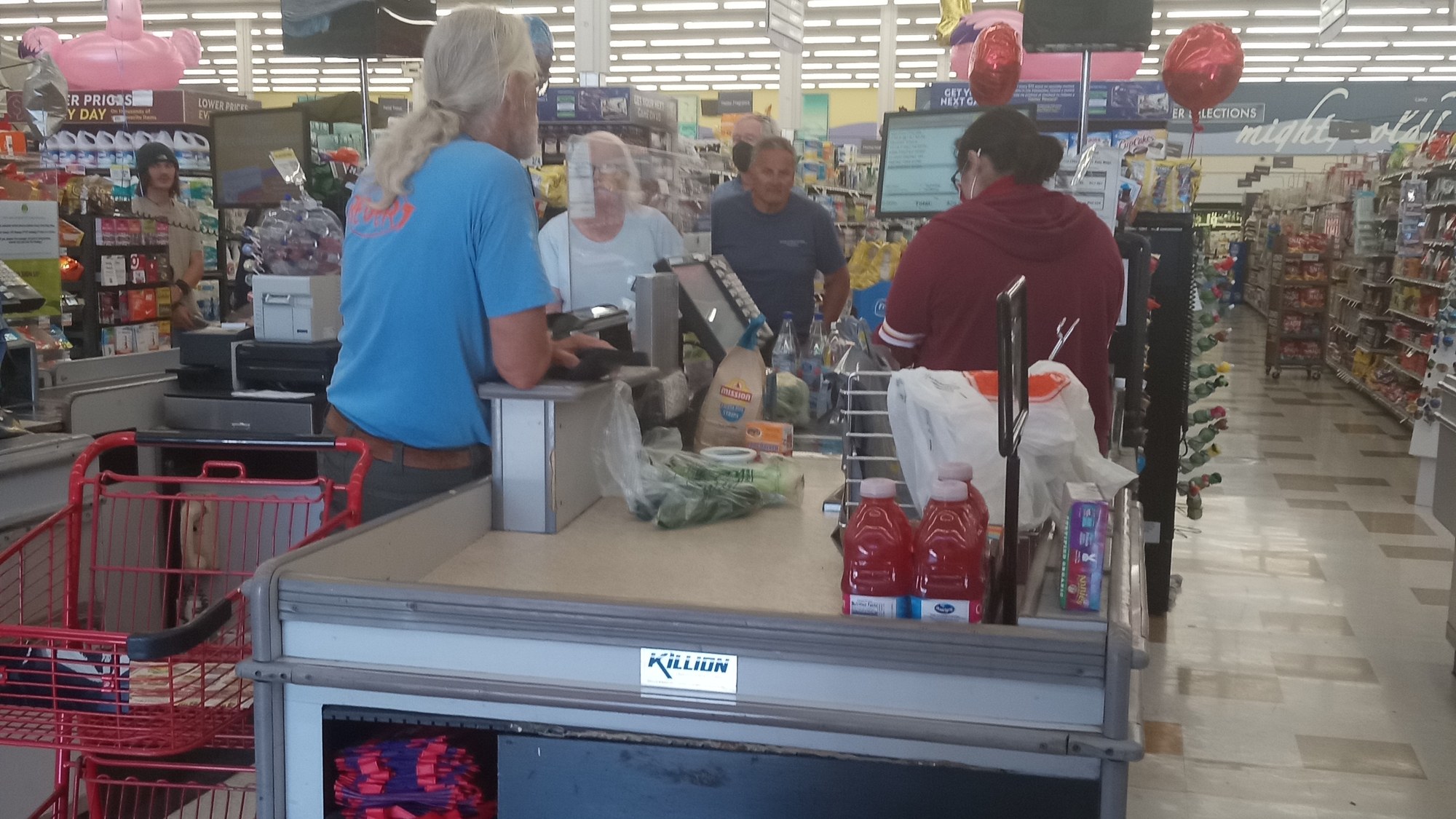
For a retiree or a grandparent managing a household’s SNAP benefits alongside a fixed income, the immediate effect is practical rather than legal: a cart that used to include a soda or a bag of candy at the register may now get partially declined on the SNAP portion of the payment, requiring cash or a debit card to cover the restricted items separately.
What Counts as Restricted Varies by State
Because each waiver was approved on its own terms, “candy” and “soda” don’t mean exactly the same thing from one of the 18 states to the next. Some waivers target sweetened beverages broadly, while others focus narrowly on products classified as candy under each state’s own tax or nutrition code, which can exclude items a shopper might expect to be restricted and include others that seem like an odd fit. Anyone using SNAP benefits in an affected state is better served checking their state agency’s specific list than assuming the rules match a neighboring state’s waiver.
What SNAP Still Covers
The waivers narrow a small slice of what SNAP benefits can buy rather than reshaping the program. Fruits, vegetables, meat, poultry, fish, dairy products, bread, cereal, and most other grocery staples remain fully eligible for purchase with SNAP benefits in every state, including the 18 with active soda and candy restrictions. Households on a fixed income who rely on SNAP for the bulk of their grocery budget will see the change show up only at the specific point where a restricted item is scanned, not as a broader reduction in what the benefit can be used for.
For a retiree managing a tight monthly budget, the practical adjustment is smaller than the headline might suggest: swapping a soda or a bag of candy for an eligible snack keeps a shopping trip within SNAP rules, and the total benefit amount a household receives each month is unaffected by the restriction itself.
Why USDA Approved the Waivers in the First Place
States pursuing these restrictions have generally framed them as a public-health measure, arguing that steering SNAP dollars away from sugary drinks and candy and toward the program’s core purpose of nutrition assistance could help address diet-related conditions like obesity and diabetes that are more common in lower-income households. USDA’s willingness to approve waiver requests on that basis marks a shift from the agency’s longer-standing position that SNAP should stay largely neutral on which foods a household chooses to buy.
That shift is precisely what the Aragon v. Rollins ruling challenged — not the underlying public-health goal, but whether USDA had the legal authority to grant these particular waivers without going through a more formal rulemaking process. Until that broader legal question is resolved, households in the remaining 18 states should expect the current restrictions to stay in place at checkout even as the litigation continues elsewhere.
This article was produced with AI assistance and reviewed by The Financial Wire editorial team.
More Financial Reading
- What really happens to your joint savings account when you die?
- The ideal retirement withdrawal rate so your savings actually last