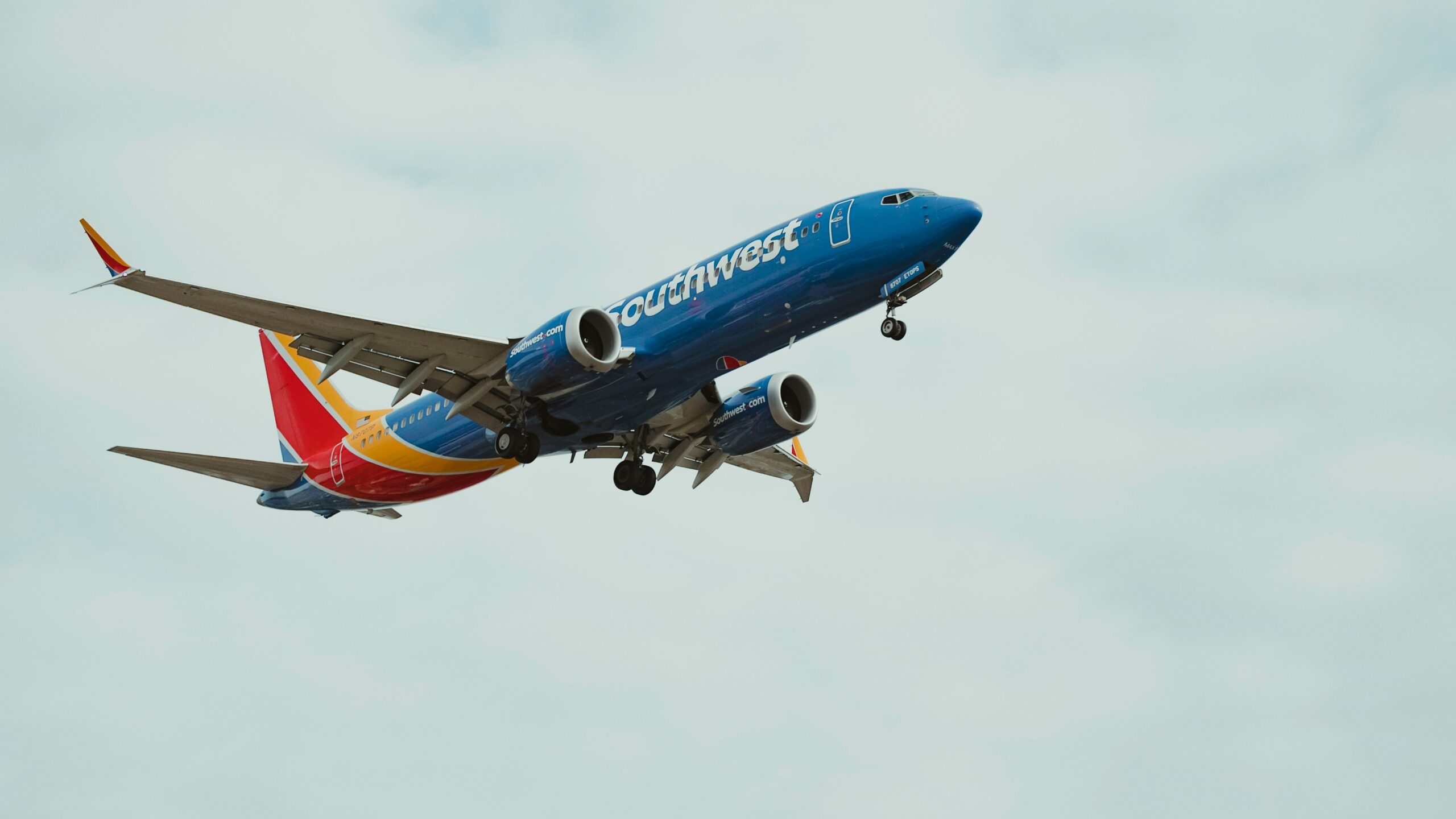
Travelers who bought domestic flights on American, Delta, Southwest, United, Continental, or US Airways face a $60 million payout after the four surviving carriers agreed to settle claims that they conspired to fix ticket prices. The deal, reached under the consolidated Domestic Airline Travel Antitrust Litigation, closes one chapter of a case that has stretched across more than a decade of federal court proceedings. No carrier admitted wrongdoing, but the combined sum ranks among the larger consumer antitrust recoveries in the airline sector.
Why a $60 million airline price-fixing settlement demands attention now
The settlement covers people who purchased domestic tickets during a defined class period, and the money will be divided among qualifying claimants once a distribution plan takes effect. According to the official notice filed by plaintiff counsel, the $60 million total reflects separate agreements with each defendant airline rather than a single joint payment. That structure raises a question the public record has not yet answered: how much each carrier contributed.
One testable hypothesis is that each airline’s share tracks its relative domestic passenger revenue during the years covered by the class. Matching the final payment schedule against Department of Transportation T-100 segment data would reveal whether the biggest domestic carriers paid proportionally more. That comparison cannot be completed until the court unseals the individual allocation figures, but the pattern would carry real weight for future antitrust negotiations in the industry.
The case also folds in tickets sold under the Continental and US Airways brands, both of which merged into United and American, respectively, before the litigation concluded. Buyers on those legacy carriers are eligible for a share of the fund on the same terms as passengers who flew the surviving airlines. For many travelers, that means flights purchased years ago-sometimes under brands that no longer exist-could still count toward a cash recovery, provided they fall within the class definition once the court-approved notice program is fully implemented.
Court filings and SEC disclosures anchor the $60 million figure
Two primary source threads confirm the settlement total and its scope. The plaintiff counsel notice names all six airline brands and specifies that the combined agreements reach $60 million. Separately, Southwest Airlines disclosed the Domestic Airline Travel Antitrust Litigation among its material legal proceedings in filings with the Securities and Exchange Commission, as reflected in SEC exhibit records tied to the company’s annual reports. No equivalent public disclosure from American, Delta, or United detailing their individual payment amounts has surfaced in the available source record.
The absence of airline-by-airline breakdowns is typical of large antitrust class actions, where defendants negotiate confidentially and courts sometimes seal individual settlement amounts to protect ongoing business relationships. For affected passengers, the practical consequence is straightforward: the total pool is fixed at $60 million, and what each traveler receives depends on the number of valid claims filed, not on which carrier they flew. If participation is high, individual checks will be modest; if many eligible buyers fail to file, the per-claim payout could rise.
Media and legal practitioners often rely on centralized distribution platforms to track developments in cases like this. The notice in this litigation was disseminated through Prnewswire’s media channels, which routinely carry class action announcements, regulatory updates, and other court-approved communications. Attorneys, institutional investors, and journalists can also follow filings and related materials by accessing Prnewswire accounts that aggregate litigation notices and corporate disclosures in one place.
Unanswered questions for ticket buyers waiting on their share
Several gaps remain in the public record. The exact claims deadline, the per-ticket payout estimate, and the mechanism for distributing unclaimed funds have not been specified in the primary sources reviewed here. In past airline antitrust settlements, unclaimed money has sometimes been directed to a cy pres fund benefiting consumer advocacy or aviation research, but whether that approach will be used in this case is not disclosed in the available documents. Until the court signs off on a final distribution plan, potential class members will not know whether they can expect a flat payment, a pro rata share based on spending, or a hybrid formula.
There are also open questions about how the settlement will interact with ongoing industry consolidation and loyalty programs. The inclusion of Continental and US Airways tickets highlights how mergers can blur the lines between brands when it comes to liability. Travelers who primarily remember flying a merged carrier may need to review old email confirmations or credit card statements to determine whether they purchased qualifying domestic itineraries during the covered period. Depending on the claims process ultimately approved, documentation requirements could range from simple attestations to more detailed proof of purchase.
For now, the most concrete takeaway is that a sizable fund has been created to resolve long-running accusations of coordinated capacity cuts and fare increases among major domestic airlines. The $60 million figure is locked in by court filings and corporate disclosures, but the real-world impact for individual travelers hinges on procedural steps still to come. As the court moves toward final approval and implementation, prospective claimants will need to watch for official notices, confirm their eligibility, and decide whether to participate before the claims window closes.
Free tool for readers: Curious where your retirement stands on a 0–100 scale? You can get your free Retirement Safety Score in about five minutes — no account, no bank details, just your number and a few steps to improve it.