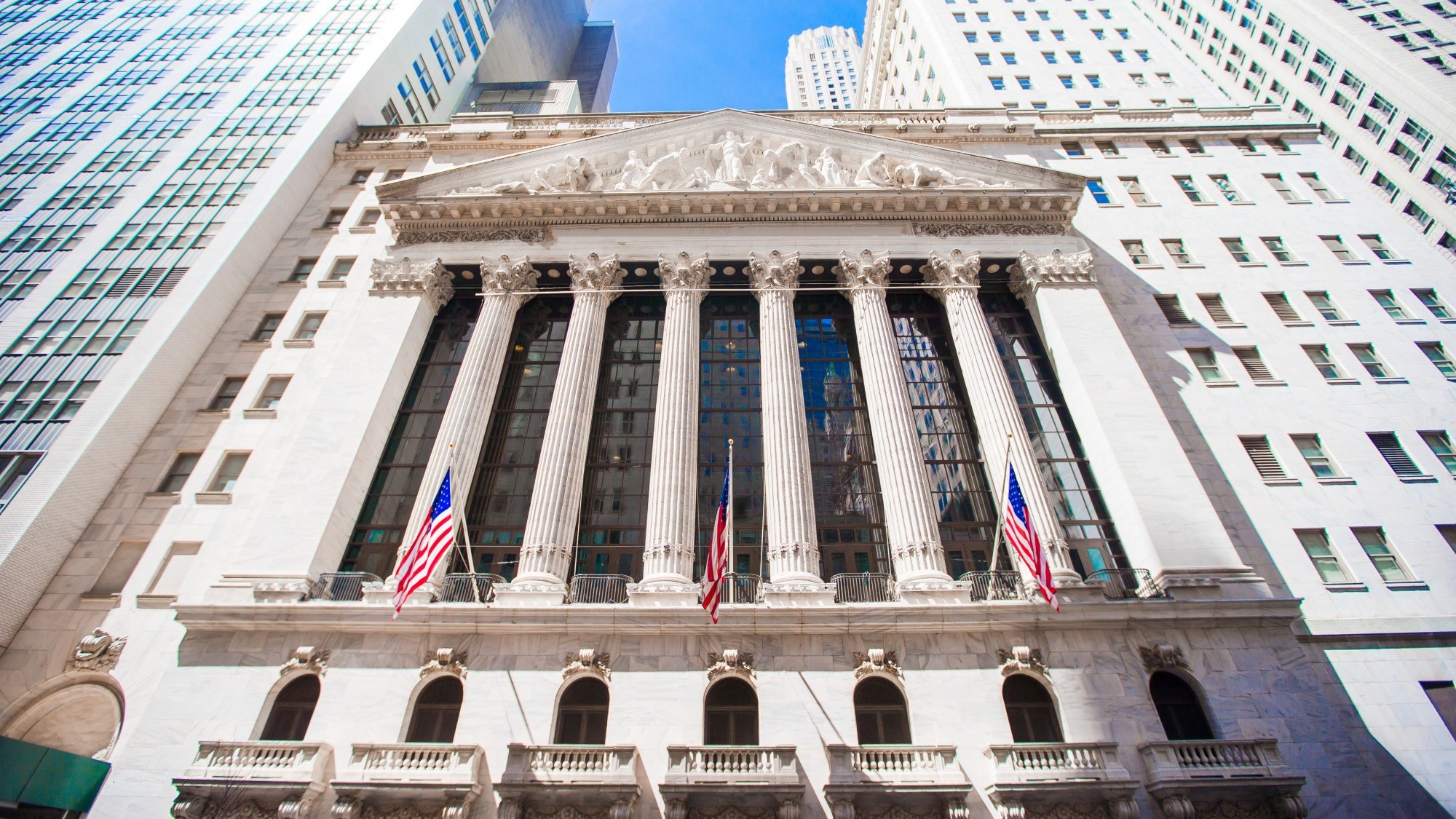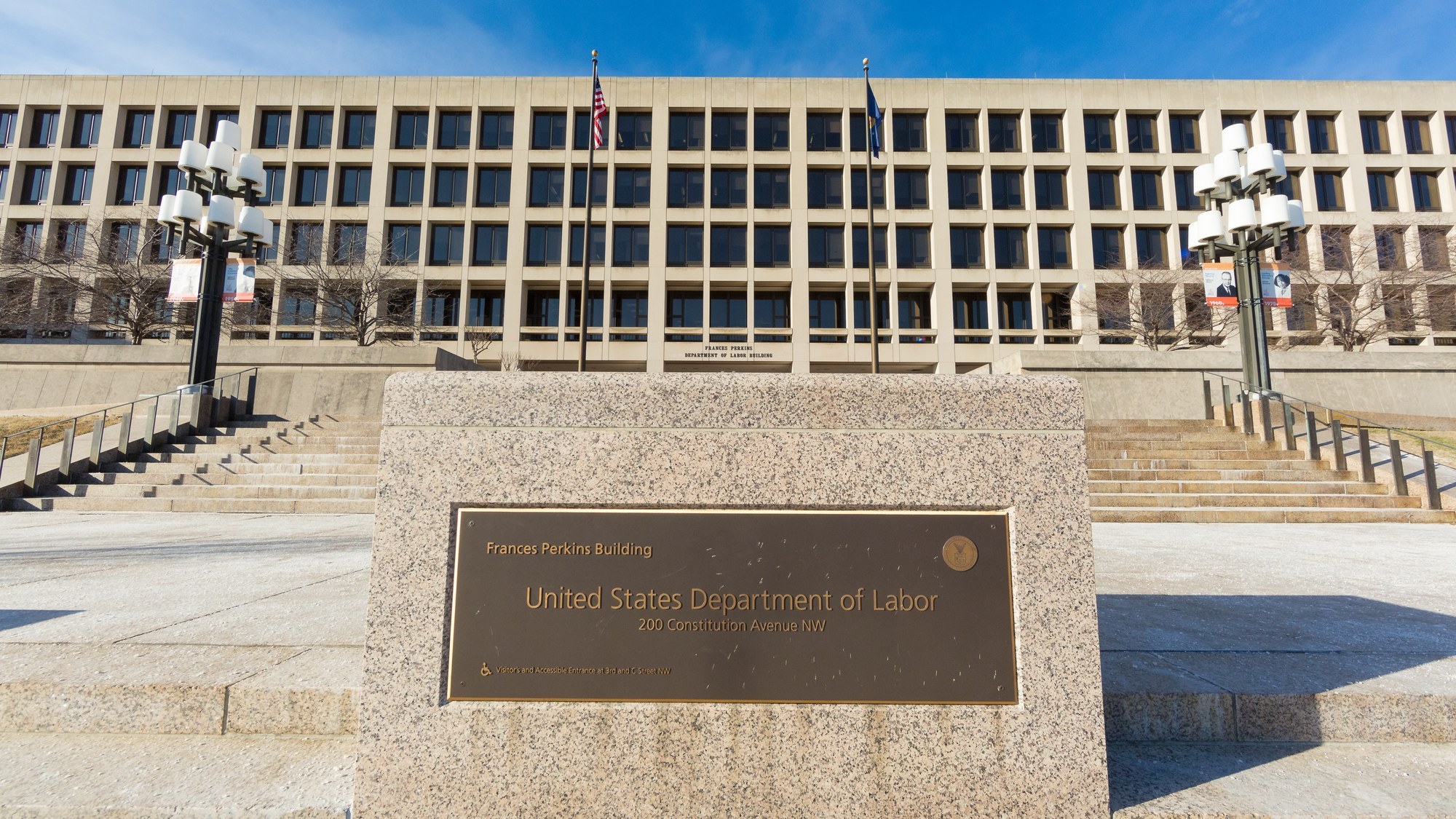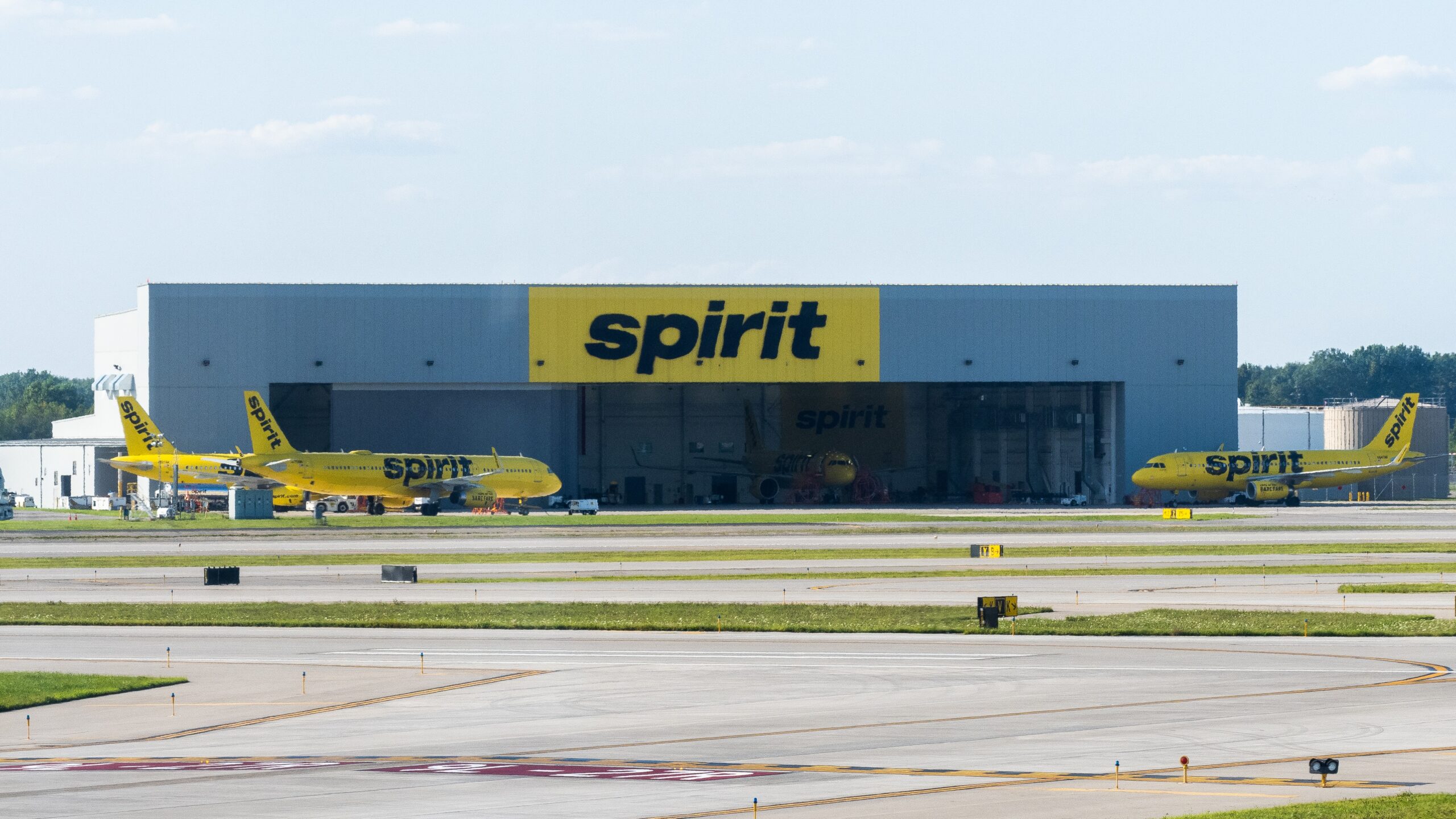
Spirit Airlines, the budget carrier that has spent the past 18 months in Chapter 11 bankruptcy, is on the verge of receiving a $500 million federal loan that could hand U.S. taxpayers a controlling stake in the company, according to a Bloomberg report published in late April 2026. The proposed deal includes warrants giving the government the right to acquire up to 90% of Spirit’s post-bankruptcy shares, a level of federal ownership with no precedent in American commercial aviation.
The package, still being negotiated between the White House and Spirit’s restructuring team as of early May 2026, would represent the most aggressive government intervention in the airline industry since the CARES Act payroll support programs of 2020 and 2021. Those programs distributed roughly $54 billion across U.S. carriers, according to Government Accountability Office reporting, but the equity stakes the Treasury Department received in return were modest, typically in the low single-digit percentages. A 90% warrant position is not a backstop. It is near-total ownership.
How Spirit ended up here
Spirit’s slide toward a government rescue began in January 2024, when a federal judge blocked its proposed merger with JetBlue Airways, ruling the deal would reduce competition and raise fares for the price-sensitive travelers both airlines serve. Spirit’s leadership had framed the merger as its clearest path to long-term viability, and its collapse left the company exposed.
By November 2024, Spirit filed for Chapter 11 protection. In court filings, executives said they planned to renegotiate aircraft leases, cut costs, and reshape the route network while continuing to fly, with a target of emerging from bankruptcy by mid-2026.
That timeline now depends on Washington. Bloomberg’s reporting indicates that Spirit’s restructuring plan could not close a liquidity gap large enough to satisfy creditors and keep planes in the air through the exit from court protection. Private lenders and investors either could not or would not fill the hole on terms Spirit could accept, pushing the airline toward the federal government as a lender of last resort.
What the deal would look like
The reported structure pairs a direct government loan with equity warrants that would give Washington the right to acquire up to 90% of Spirit’s reorganized shares. But several critical details remain unconfirmed. No official statement from the White House, the Treasury Department, or Spirit itself has laid out final terms. Bloomberg’s account relies on people familiar with the negotiations, not on-the-record officials.
That leaves significant questions unanswered. It is not clear whether the 90% figure is a hard ceiling, a starting negotiating position, or a dilution trigger activated only if Spirit misses repayment benchmarks. The distinction matters for existing creditors, for any private investors considering a role in the reorganized airline, and for current shareholders, whose stakes would be diluted to near zero under the most aggressive reading of the warrant terms.
Previous government airline rescues came with strings. The CARES Act programs banned stock buybacks, capped executive compensation, and required airlines to maintain minimum service to smaller communities. Whether similar conditions would attach to a Spirit loan has not been disclosed. Nor has either side addressed whether the administration is acting under existing executive authority or would need congressional approval, a question that could open the package to legislative challenges.
The bailout debate, round two
The prospect of a half-billion-dollar rescue for a single airline is already reviving the political fault lines that defined the pandemic-era bailout fights. During the CARES Act debates, lawmakers on both sides of the aisle supported emergency payroll grants to prevent mass layoffs, but the programs still drew criticism from fiscal hawks who argued the government was propping up companies that had spent years buying back stock rather than building cash reserves.
Spirit’s case is different in important ways. The airline did not deplete its balance sheet through buybacks; it was brought low by a blocked merger, rising costs, and a business model that left little margin for error. But the sheer size of the proposed government stake, potentially 90%, raises a question that the CARES Act never forced Congress to confront: Should the federal government effectively own a commercial airline?
“This is uncharted territory for U.S. aviation policy,” said one congressional aide familiar with the discussions on Capitol Hill, speaking on condition of anonymity because the negotiations are ongoing. “You have members on both sides who want to protect the jobs and the routes, but nobody is comfortable with the government owning 90% of an airline.” Neither the House Transportation Committee nor the Senate Commerce Committee has held hearings on the proposed deal, and no lawmaker from either party has publicly endorsed or opposed the specific terms as of early May 2026.
Labor groups have a direct stake in the outcome. The Association of Flight Attendants-CWA, which represents cabin crews at several U.S. carriers though not at Spirit, has historically supported government intervention to prevent airline liquidations, arguing that the cost of mass layoffs and lost pensions outweighs the fiscal risk of a structured loan. Spirit’s own workforce, which is partially represented by the Air Line Pilots Association, faces the most immediate uncertainty: a failed deal could mean furloughs or permanent job losses for thousands of crew members, mechanics, and ground staff.
Budget-travel advocates have raised a separate concern. Consumer groups that track airfare trends have long argued that Spirit’s presence on a route disciplines pricing across all carriers serving that market. If Spirit disappears, those advocates warn, the remaining airlines would face less pressure to offer competitive fares on routes where Spirit was the low-cost option, particularly in leisure markets across Florida, the Caribbean, and Latin America.
Critics of the deal ask why taxpayers should absorb the risk of owning a company that has struggled to turn a consistent profit, and whether a government-controlled Spirit would face pressure to make route and pricing decisions based on political considerations rather than market demand. The GM bailout of 2009 offers a partial precedent. The Treasury Department took a roughly 61% stake in General Motors, managed it as a largely passive investor, and eventually sold its shares, though at a loss of about $11.2 billion, according to the Treasury’s own final accounting.
What it means for travelers and routes
Spirit’s operational footprint heading into spring 2026 is smaller than it was before the bankruptcy filing. The airline has trimmed routes and reduced frequencies on some markets during the Chapter 11 process, though it continues to fly a daily schedule across a network concentrated in Florida, the Caribbean, and Latin America, connecting mid-size cities and leisure destinations that larger carriers either skip or price at a premium. The precise scope of its current operations has not been detailed in public bankruptcy filings or investor disclosures available as of May 2026.
Spirit’s ultra-low-cost model, built on bare-bones base fares with fees for carry-on bags, seat selection, and other add-ons, has been polarizing but effective at pulling price-sensitive travelers into the market. If the loan closes and Spirit emerges from bankruptcy on schedule, those competitive effects would likely persist. If the deal collapses and Spirit cannot secure alternative financing, the airline could face liquidation, stripping fare pressure from dozens of domestic routes. That outcome would hit hardest among budget travelers and the communities where Spirit has built its densest service.
Spirit listed approximately 32,000 employees at the time of its November 2024 bankruptcy filing, a figure that appeared in contemporaneous news coverage of the Chapter 11 petition but has not been independently verified against the company’s most recent annual report or the filing itself. Its operations also support thousands of additional positions at airports, maintenance providers, and vendors.
One question no one involved has publicly answered: what a government-controlled Spirit would look like in practice. Federal officials could push for changes to pricing transparency, customer service standards, or route decisions as conditions of the loan. Or they could function as hands-off owners focused solely on recovering taxpayer money, much as Treasury did with GM. The answer will determine whether Spirit remains the aggressive, fee-heavy discounter it has always been or becomes something different under federal oversight.
Why the $500 million deal is not signed yet
The $500 million figure and the 90% ownership threshold should be treated as credible but preliminary. Deal terms in active negotiations shift before signing, and government rescue packages often include phased disbursements, contingent commitments, and equity-linked instruments that alter the effective size and structure of the aid over time. What Bloomberg describes as a single facility could emerge as a more layered package once the paperwork is filed.
What the reporting does establish is the trajectory: Spirit needs federal money to survive, the Trump administration is willing to provide it, and both sides are discussing a government stake far larger than anything previously attempted in commercial aviation. Until the Treasury Department or a bankruptcy court publishes the actual agreement, this remains a negotiation in motion. But the specificity of the numbers circulating among people briefed on the talks, dollar amounts, ownership percentages, warrant structures, suggests a resolution is likely weeks away as of late April 2026, not months. When it arrives, it will force a public reckoning with a question the country has not had to answer before: how much of an airline the government should be willing to own to keep it flying.