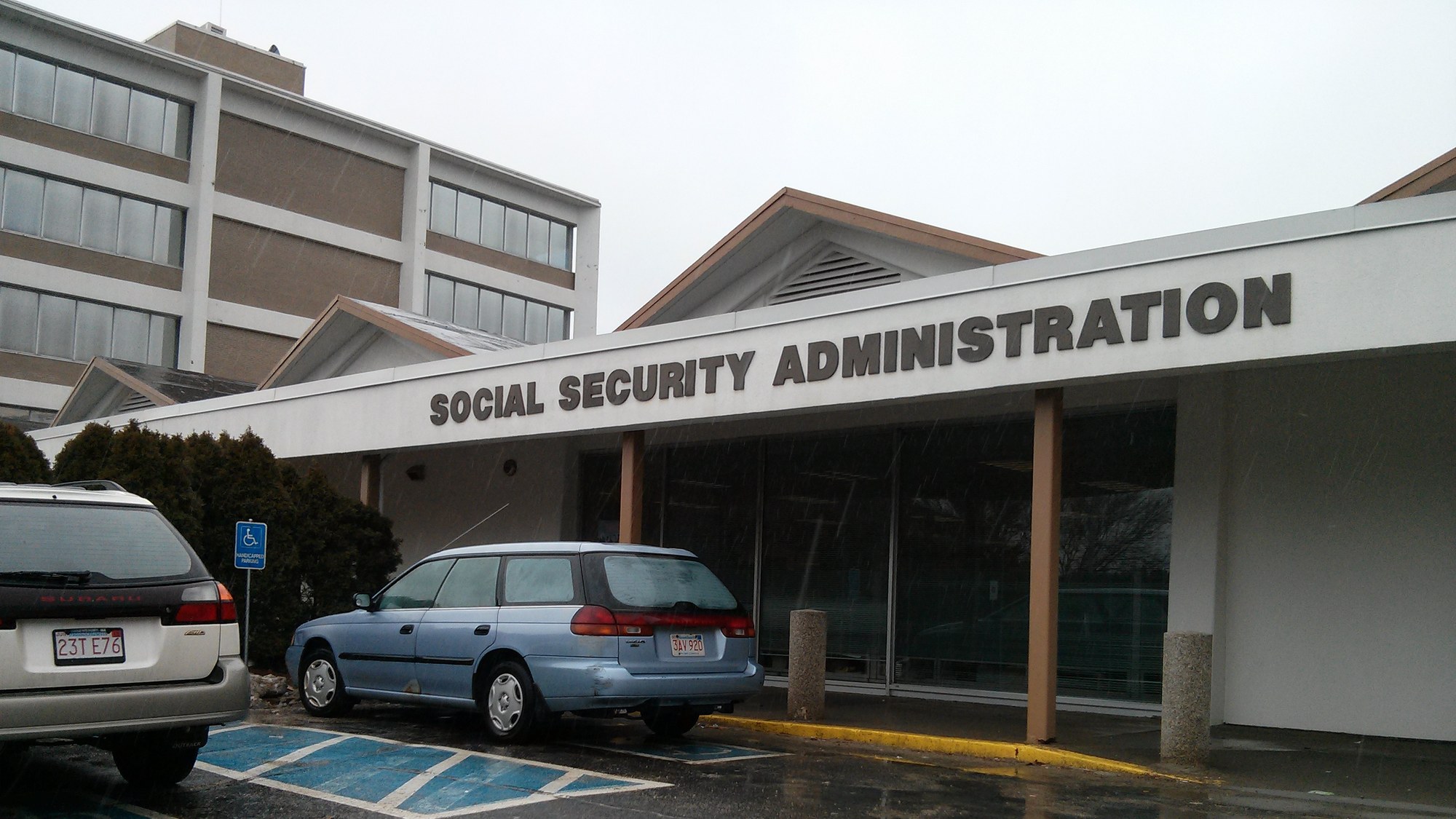
Supplemental Security Income exists for people with little income and even fewer assets, and the government’s definition of “few assets” has not changed in decades. A single applicant today runs into the same $2,000 ceiling on countable resources that has applied since the rule was last adjusted, back in 1989. Cross that line, even by a small amount, and the monthly payment can stop, regardless of how modest the underlying income is. Unlike Social Security retirement or disability benefits, which are paid based on a worker’s earnings record regardless of what that worker has saved, SSI is a needs-based program open to people with little work history at all, and its asset test is the part of the program that has aged the least gracefully.
What Actually Counts Toward the $2,000 Line
The Social Security Administration defines a resource as cash or anything else a person owns that could be turned into cash and used for food or shelter, according to its Spotlight on Resources. To qualify for SSI, countable resources cannot be worth more than $2,000 for an individual or $3,000 for a couple. Not everything a recipient owns counts against that limit. The home someone lives in and the land under it are excluded, along with one vehicle used for transportation, household goods and personal effects, a life insurance policy with a combined face value of $1,500 or less, burial plots, and up to $1,500 set aside for each spouse’s burial expenses. Up to $100,000 held in an ABLE account, available to people who became disabled before turning 46, is also excluded, as is property a recipient uses in a trade or business. The SSA also runs a separate provision that can let someone keep receiving payments for a limited time while trying to sell an excess resource, such as a second property, rather than losing eligibility the moment its value is discovered. None of these exceptions change the underlying $2,000 figure; they simply carve specific categories of savings and property out of what counts against it.
Free retirement updates: One number can cost or save hundreds a month in retirement. The free Retirement Shield newsletter surfaces the ones worth knowing. Sign up free.
A Number That Has Not Moved Since 1989
The $2,000 and $3,000 figures are not new, and they were not set with inflation in mind going forward. According to a statement from the Social Security Advisory Board published in the SSA’s own Annual Report of the SSI Program, lawmakers raised the resource limits gradually between 1985 and 1989 to reach the current $2,000 individual and $3,000 couple thresholds, and the limits have not been adjusted since. Unlike SSI’s monthly payment amount, which is generally adjusted each year for inflation through a cost-of-living increase, the resource limit carries no such mechanism. It has simply stood still while prices, medical costs, and the value of a modest emergency fund have not. The Advisory Board’s statement notes that the resource limits were raised in stages during the late 1980s specifically so recipients could cover irregular but real costs, like replacing a broken furnace or making urgent home repairs, without those savings disqualifying them from the program. That original purpose has not changed. What has changed is everything the $2,000 figure is measured against.
Why a Frozen Asset Test Bites Harder Every Year
The consequence of freezing one number while adjusting another is a gap that widens automatically. As the monthly SSI payment rises with cost-of-living adjustments, a recipient who tries to set aside even a portion of a few months’ benefit, rather than spending it immediately, risks pushing countable resources over the unchanged $2,000 ceiling. A recipient who receives a modest inheritance, an insurance payout, or a retroactive benefit from another program faces the same problem in a more sudden form. If the money is not spent down, excluded under one of the SSA’s specific carve-outs, or moved into a vehicle like an ABLE account within the same calendar month it is received, it can end eligibility outright rather than reduce the payment gradually.
What This Means for Someone Trying to Build a Cushion
For an SSI recipient, the resource limit functions as a hard ceiling on financial security rather than a soft nudge toward spending. Building even a small emergency fund in a checking or savings account risks the same outcome as an unreported windfall: a resource count that crosses $2,000 and puts the monthly payment at risk. The exclusions the SSA does allow, an ABLE account chief among them for people who qualify, exist specifically because the underlying $2,000 figure has stayed put while everything it is measured against has not. For a recipient without access to one of those carve-outs, the practical reality is that the $2,000 figure is not a soft target. It is a hard line built into eligibility itself, and crossing it, even temporarily and even by accident, can trigger the same loss of monthly payments that a deliberate decision to save more would.
This article was produced with the assistance of AI and reviewed by The Financial Wire editorial team.
More Financial Reading
- What really happens to your joint savings account when you die?
- Bank statements: how long to keep them and when to toss them