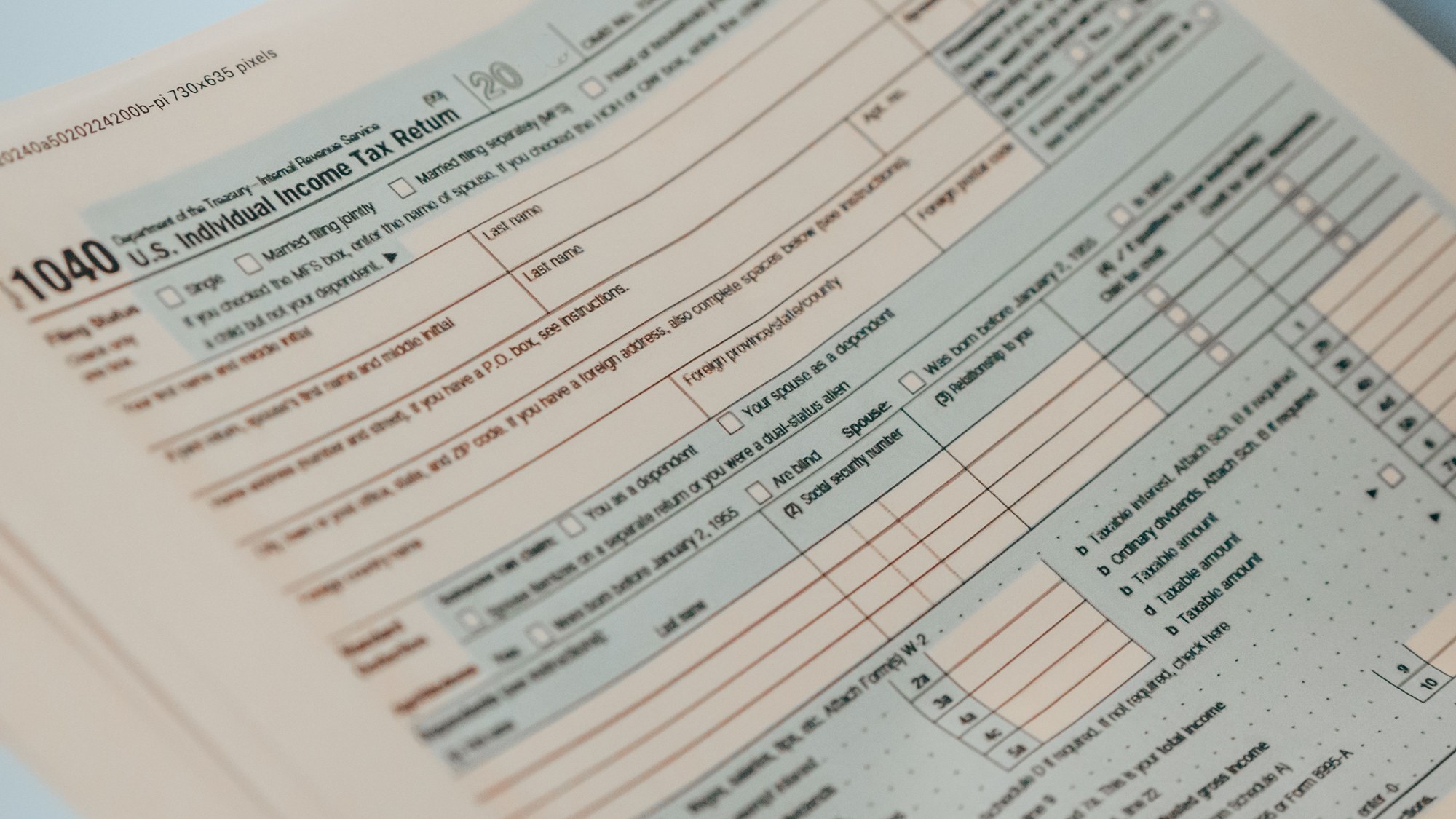
A tax bill that cannot be paid in full by the filing deadline does not have to turn into a standoff with the IRS. Ignoring a balance due invites real consequences, a Notice of Federal Tax Lien filed against property, or in more serious cases a levy on wages or bank accounts, but a taxpayer who cannot pay in full has a straightforward alternative: applying online for a payment plan that spreads the balance out over time while heading off the agency’s harsher collection tools. The system runs entirely through the IRS’s own website, with no third-party company or fee-based service required to submit the request.
Applying for an IRS Payment Plan Online
The IRS runs a self-service system, described on its Online Payment Agreement application page, that lets a qualified individual taxpayer or authorized representative apply for a payment plan without calling, mailing anything, or visiting an office, and delivers immediate notification of approval or denial once the application is submitted. An individual generally qualifies to apply online for a long-term monthly installment agreement while owing $50,000 or less in combined tax, penalties and interest, provided every required return has been filed, and qualifies for a short-term plan of 180 days or less while owing less than $100,000. Applying requires an IRS Online Account, which in turn requires photo identification to set up, and a taxpayer choosing automatic monthly withdrawals will also need bank routing and account numbers on hand. A sole proprietor or independent contractor applies as an individual rather than as a business, while business accounts generally cannot apply online and instead call the number listed on their notice.
Free retirement updates: Enrollment and claim windows come and go, and missing one can cost you real money. The free Retirement Shield newsletter keeps you ahead of the deadlines that matter. Sign up free.
Why a Plan Can Head Off a Lien or Levy
The IRS’s own answers on payment plans and installment agreements spell out the collection consequence a plan is designed to avoid: not paying taxes when they are due may lead to a Notice of Federal Tax Lien or a levy action, but once a payment plan request is submitted, the agency is generally prohibited from levying and its time limit to collect the debt is suspended while the request is pending. That protection continues once an installment agreement is actually in place, and it extends, for thirty days, even after a request is rejected or an existing agreement is terminated, or for as long as an appeal of that rejection or termination remains open. A taxpayer who simply stops responding to notices forfeits that protection and leaves the agency’s standard collection tools, including a lien that can attach to real estate or a levy that can reach wages and bank accounts, as the default outcome.
What a Payment Plan Actually Costs
Paying the balance in full immediately carries no setup fee at all, and a short-term plan of 180 days or less currently carries no setup fee either, though interest and a monthly late-payment penalty keep accruing on the unpaid balance until it reaches zero. A long-term monthly installment agreement carries a setup fee of $29 when applied for online with automatic bank withdrawals, or $69 online without automatic withdrawals, with higher fees for anyone who applies by phone, mail or in person instead. A taxpayer whose income falls at or below 250 percent of the federal poverty level qualifies as low income, and for that group the online setup fee is waived entirely when payments are made by automatic debit, or reimbursed after the plan is completed if automatic debit is not an option. None of these fees erase the interest and penalties that accrue on the remaining balance, so paying as much as possible up front still reduces the total cost of the plan.
Keeping the Agreement in Good Standing
An approved plan only keeps its protections while the taxpayer stays current on it: the minimum monthly payment has to arrive on time, every future tax return has to be filed and paid on time as it comes due, and any future refund is applied automatically to the outstanding balance rather than sent to the taxpayer. A plan that lapses into default can be reinstated, sometimes for an additional fee, but a notice proposing termination should never be ignored, since the same lien and levy tools that a timely application heads off return once an agreement is actually terminated. The online account used to apply also allows a taxpayer to review the current plan, adjust the monthly payment amount or due date, switch to automatic bank debit, or update the bank information tied to an existing agreement, all without a phone call. A taxpayer who is not eligible to apply online, or who cannot revise an existing plan through the website, can still request one on paper through Form 9465 or by calling the number on a notice, though those routes carry higher setup fees than applying through the online system. Whichever channel is used, the balance keeps accruing interest and penalties until it is paid off in full, so the size of the monthly payment, not just the fact that a plan exists, still determines how much the arrangement ultimately costs.
This article was produced with the assistance of AI and reviewed by The Financial Wire editorial team.
More Financial Reading
- What really happens to your joint savings account when you die?
- Bank statements: how long to keep them and when to toss them