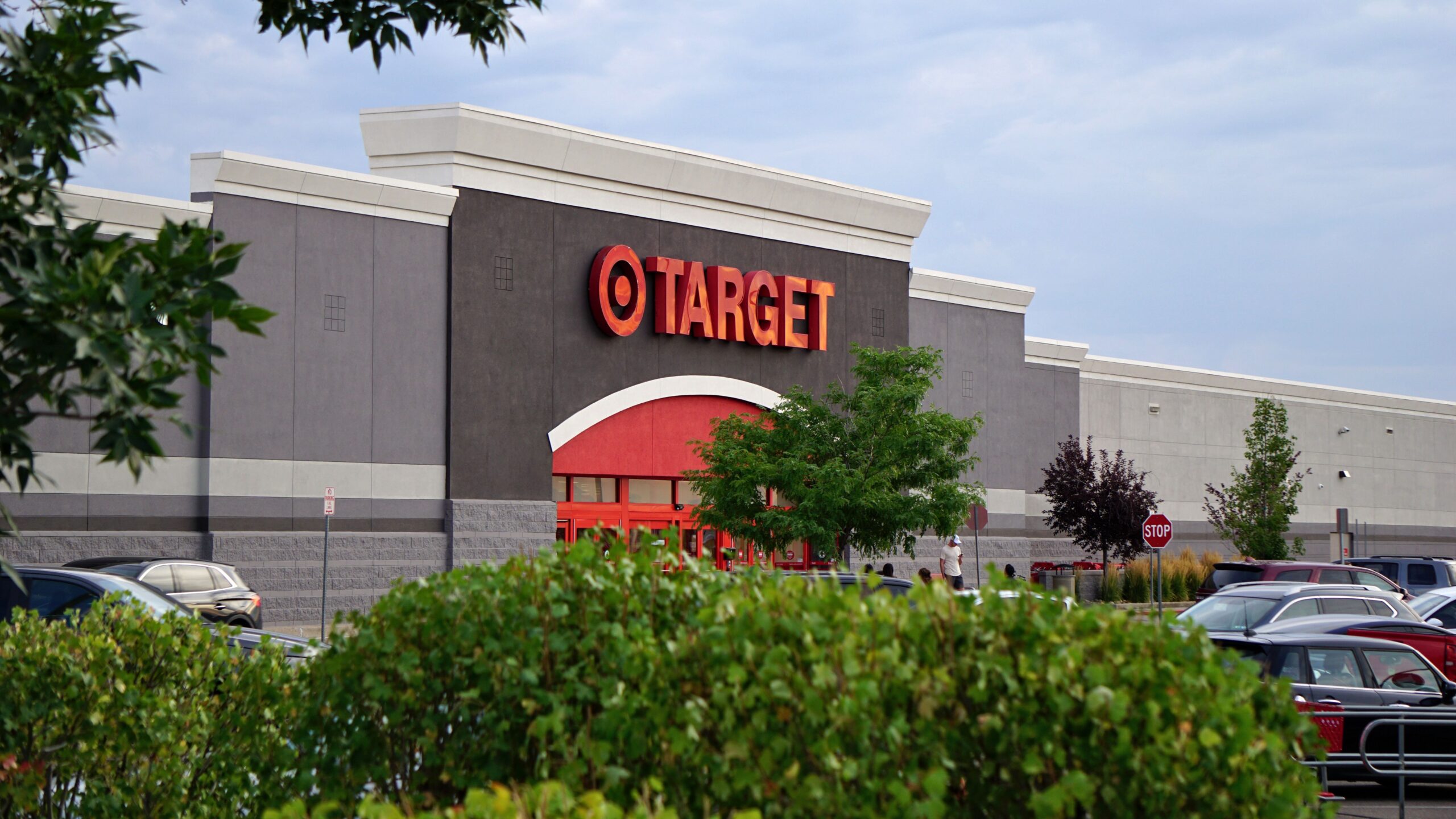
Target reported weaker traffic and softer comparable sales across its fourth quarter and full fiscal year 2025, a period in which inflation-conscious households increasingly split their spending between warehouse clubs and dollar stores. The retailer’s earnings release showed persistent softness in general merchandise categories, while competitors at both ends of the price spectrum posted results that suggest they are absorbing trips Target once captured. The squeeze is not a single-quarter blip; it reflects a structural mismatch between Target’s mid-market positioning and the value strategies its rivals have refined over multiple years.
Why Target’s two-front traffic loss matters right now
The core tension is straightforward. Costco’s membership-driven model rewards bulk buying with per-unit prices that a general merchandise retailer cannot easily replicate without eroding margins. Dollar General, on the other end, competes on absolute price points for everyday consumables, drawing shoppers across income levels. Target sits between these two formats, offering neither the deepest unit economics nor the lowest shelf prices on staple goods.
Food-at-home inflation has been a key driver of this trade-down behavior. The Consumer Price Index for May 2026 continues to track the grocery price pressures that push households to seek cheaper alternatives. Even as headline inflation moderates, the cumulative price increases of recent years have left many consumers anchored to the value-seeking habits they adopted during the worst of the price spikes. That stickiness is the real problem for Target: shoppers who discovered they could stretch budgets at Costco or Dollar General are not automatically returning once CPI readings cool.
At the same time, Target faces a perception gap. The chain built its brand on “cheap chic” and curated assortments, which resonated when discretionary spending felt plentiful. In a world where households are scrutinizing every receipt, that positioning can look like a premium that is hard to justify. When shoppers walk in for essentials and confront baskets that ring higher than a comparable trip to a warehouse club or dollar store, they have a clear incentive to change their shopping routine.
Filings from Target, Costco, and Dollar General tell the same story
Target’s own numbers underscore the challenge. In its earnings release for the fourth quarter and full year 2025, the company reported ongoing pressure in discretionary categories, particularly in home, apparel, and hardlines. Management highlighted softer traffic and negative comparable sales, with guests consolidating trips and favoring lower-priced essentials over the higher-margin general merchandise that historically differentiated Target. Efforts to lean into promotions and value messaging helped stabilize some baskets but weighed on profitability.
Costco, by contrast, has been positioned to benefit from this environment. Its annual report for the fiscal year ended August 31, 2025 describes a model built on membership fees and low markups that allows the chain to pass more savings through to shoppers. The warehouse format’s emphasis on bulk packs and limited SKUs encourages stock-up behavior and reduces per-unit costs. For families recalculating their monthly budgets, that math is compelling enough to justify membership fees and longer drives, especially when gasoline, pantry staples, and household essentials can all be purchased in a single, high-value trip.
On the other flank, Dollar General is pushing aggressively into the same everyday categories that drive Target’s traffic. In its annual report for the fiscal year ended January 30, 2026, the company highlights its focus on low price points and convenient locations, while explicitly naming mass merchandise and warehouse club operators as key competitors. The filing notes that the chain serves value-constrained shoppers but also attracts higher-income customers who are trading down on certain items. That broad appeal means Dollar General is not just a niche player; it is pulling share from the same middle-income households Target needs to keep.
Government retail data and company disclosures point to a format-level reshuffle rather than a simple cyclical dip. Warehouse clubs are capturing bigger stock-up missions, while small-box discounters are winning fill-in trips that used to belong to mid-market chains. Target’s traffic softness, set against these gains, suggests a structural shift in how and where Americans shop for basics.
How Target can respond to a structural squeeze
To regain momentum, Target will likely need to sharpen its value proposition without abandoning the differentiation that made it a destination. One path is clearer price communication on key “known value” items such as milk, diapers, and cleaning supplies, narrowing perceived gaps with warehouse clubs and dollar stores. Another is expanding private-label offerings in essentials, using owned brands to deliver lower prices while preserving margins.
Target can also lean into its strengths that competitors struggle to match. Same-day services like drive-up and in-store pickup, combined with curated general merchandise, give the chain an opportunity to position itself as the most convenient way to cover both needs and small wants in a single stop. If Target can convince shoppers that they do not have to choose between value and experience, it can reclaim some of the trips now leaking to Costco and Dollar General.
The stakes are high. A prolonged period of traffic erosion would not only pressure near-term earnings but could also reset long-term shopping habits in ways that are difficult to reverse. The filings from all three companies, alongside inflation data, point to a consumer who is still intensely focused on value. For Target, the challenge in the next few years is to prove that its middle-ground model can thrive in a retail landscape increasingly polarized between bulk bargains and rock-bottom prices.