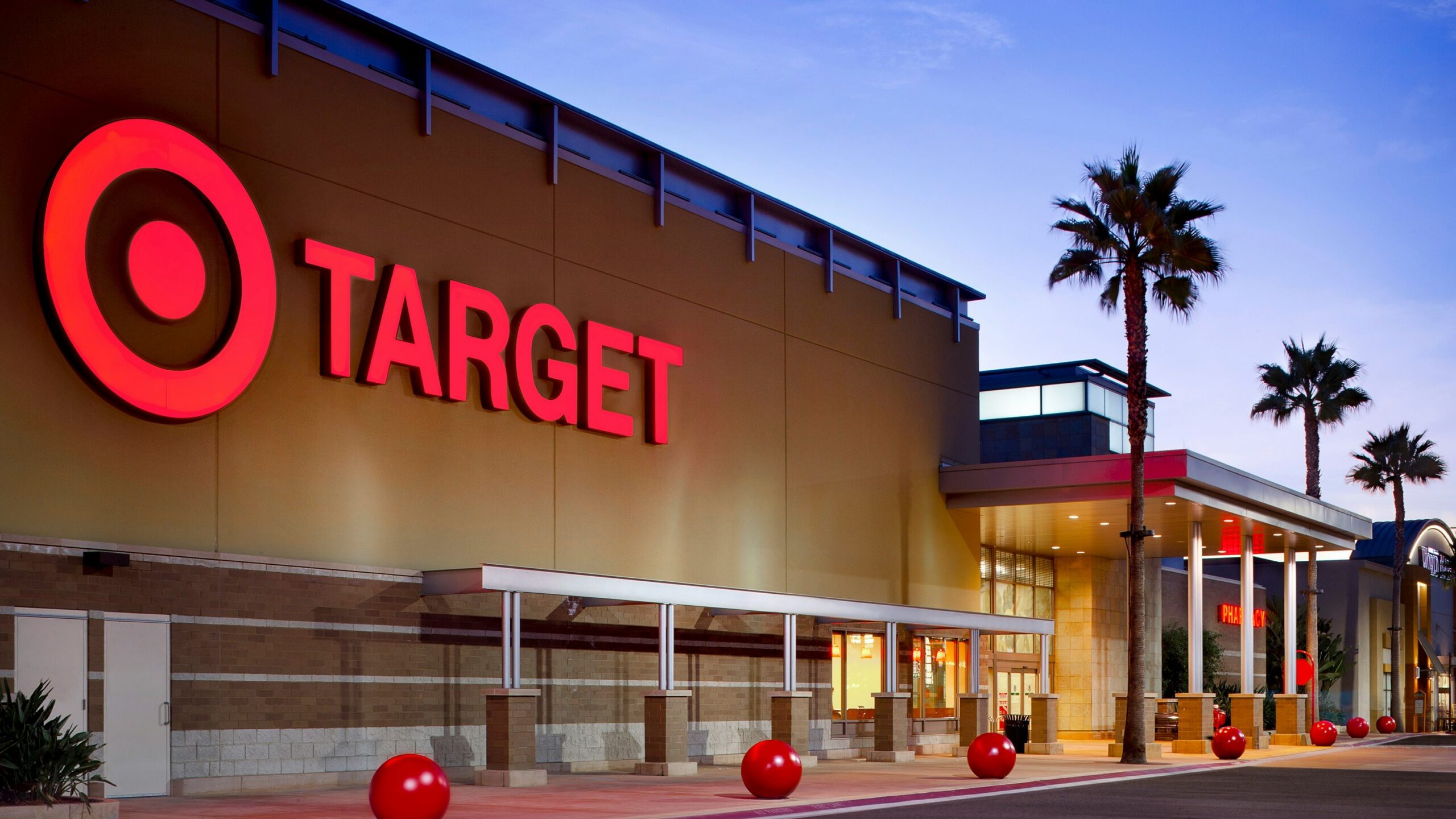
Target Corporation posted its strongest sales growth in four years during the first quarter of fiscal 2026, drawing more shoppers into stores even as those same customers spent less on the apparel and home goods categories that generate some of the retailer’s highest margins. The quarter ended May 2, 2026, and the results arrived alongside fresh federal retail data showing broader pressure on discretionary spending. Target has committed $2 billion in new investment this year to reverse the slide, but the gap between rising foot traffic and falling demand in its most profitable aisles raises a pointed question: can store visits alone sustain a turnaround?
Traffic gains collide with discretionary spending pullback
The tension in Target’s results is straightforward. More people are walking through the doors, yet they are filling their carts with groceries and essentials rather than clothing, throw pillows, and seasonal decor. Target itself has acknowledged past weakness in its fashion and home categories, and the company announced plans to invest another $2 billion in its business this year to address the problem through store remodels and operational upgrades. That spending signals management sees the category mix as a structural issue, not a temporary blip.
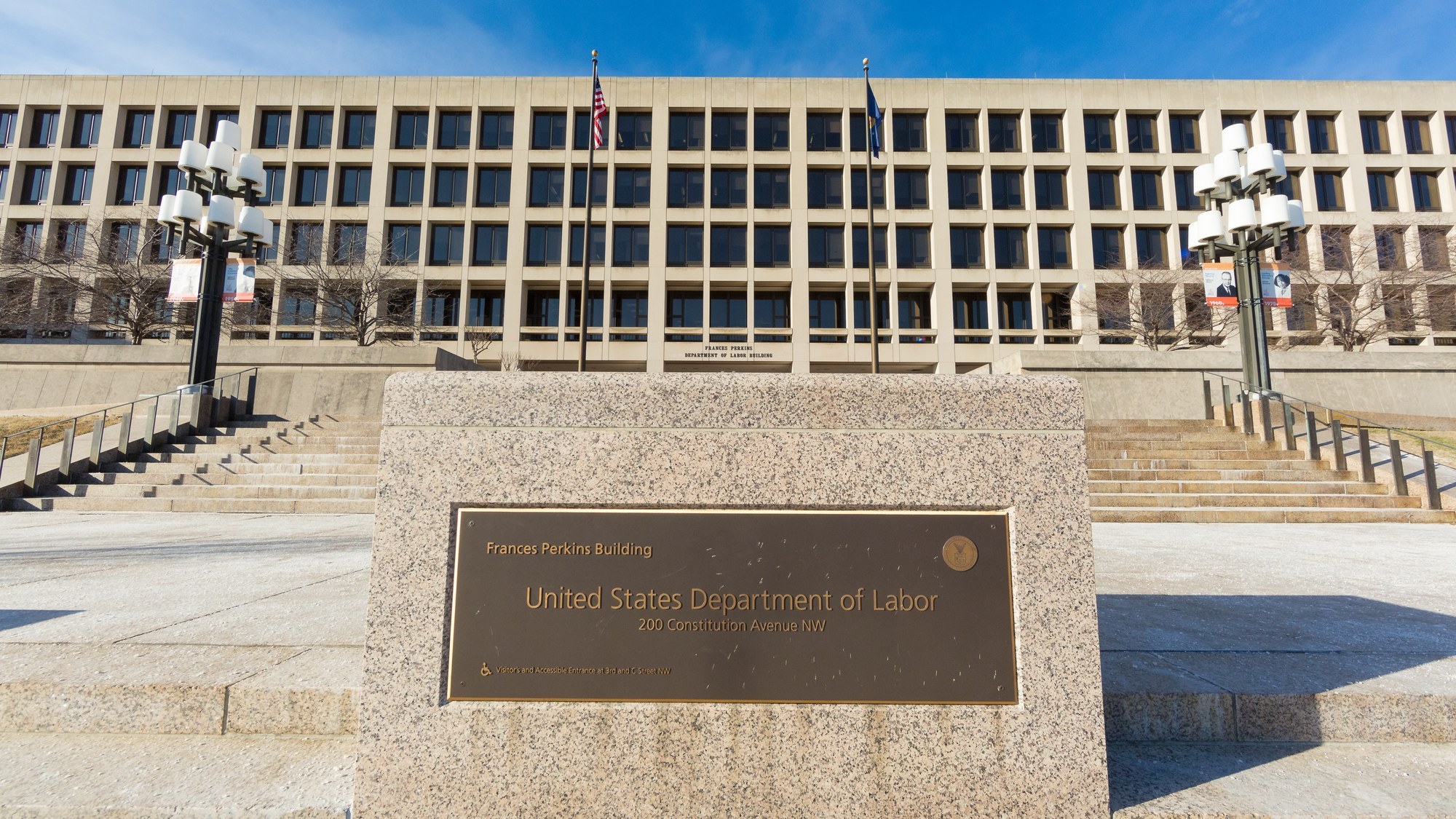
The broader consumer backdrop reinforces that concern. The U.S. Census Bureau released advance estimates for its May 2026 Monthly Retail Trade report, providing a government benchmark for where American shoppers are directing their dollars. When the official data tracks softening in discretionary segments at the national level, a single retailer’s internal efforts face a steeper climb. Target’s traffic recovery could stall within the next two quarters if apparel and home margins do not stabilize, because the company would be fighting both its own category weakness and a wider consumer pullback at the same time.
Q1 filings show the gap between volume and value
Target Corporation reported its first quarter earnings for fiscal 2026 covering the period ended May 2, 2026, highlighting that comparable sales rose as more guests shopped both in-store and online. The headline number, strongest sales growth in four years, sounds like a clear win. But sales growth driven by traffic in lower-margin essentials does not carry the same profit impact as growth in apparel or home furnishings, where markups tend to be significantly higher. The company’s own SEC filings, including its annual report on Form 10-K for the year ended January 31, 2026, outline how heavily Target’s financial model depends on those discretionary categories.
The $2 billion capital commitment is partly aimed at refreshing store layouts and merchandise assortments to coax shoppers back into those higher-margin aisles. Management has also emphasized investments in inventory accuracy and supply chain efficiency, hoping that better in-stock positions on popular discretionary items will convert browsing into bigger baskets. Yet the first-quarter numbers show that, so far, most of the incremental volume is coming from food, household consumables, and health and beauty products that carry thinner margins and more price sensitivity.
Target’s own commentary on its quarterly results underscores that distinction. Executives pointed to stronger guest traffic and share gains in key everyday categories, but they also acknowledged that discretionary units remain under pressure. That divergence between volume and value helps explain why sales growth has not translated into an equally strong improvement in profitability.
Can investment reset the merchandise mix?
The core strategic bet is that capital spending can reshape how and where shoppers spend once they are inside the store. Remodels are intended to make apparel and home displays more inviting, while curated assortments and expanded private-label offerings could give Target more pricing flexibility. If successful, those changes would allow the retailer to lean less on promotions to move discretionary goods, preserving margin even if consumers remain cautious.
However, the timing is delicate. Remodeling projects and assortment overhauls take quarters, not weeks, to influence customer behavior. In the meantime, Target must continue to compete aggressively on staples to maintain the traffic gains it has already secured. If the broader retail data continue to show weakness in discretionary spending, the company could find itself in a holding pattern where investment is high, but the hoped-for mix shift is slow to materialize.
There is also the risk that consumers have structurally reset their expectations after several years of inflation and budget pressure. Shoppers who have grown used to treating Target primarily as a destination for groceries and basics may not quickly revert to browsing for impulse home decor or fashion. In that scenario, the company would need to extract more profit from essentials through efficiency and scale, rather than relying on a rebound in higher-margin categories.
A fragile foundation for a turnaround
For now, Target’s turnaround rests on a fragile foundation: strong guest counts paired with a softer, less profitable basket. The first quarter demonstrates that traffic can be rebuilt with sharp prices and investments in convenience, but it also shows the limits of that strategy when discretionary categories lag. Unless the $2 billion investment program successfully nudges shoppers back toward apparel and home, or the national data begin to show a rebound in those segments, the retailer may find that visits alone are not enough to restore its historical earnings power.
The coming quarters will reveal whether Target can convert its crowded aisles into healthier margins, or whether the current pattern-more trips, leaner baskets-becomes the new normal. In a consumer environment still defined by caution, the answer will determine whether this latest burst of sales growth marks the start of a durable recovery or just a traffic-driven plateau.