
Tax filing season is about to begin, and for millions of Americans the 2026 calendar comes with more moving parts than usual. The Internal Revenue Service is set to begin accepting 2025 federal returns on Jan. 26, while a string of tax-law changes tied to the One, Big, Beautiful Bill could alter how much many households owe, or get back, this spring. That makes this a year when filing early is not the same as filing blindly. Between a higher cap on deducting state and local taxes, new deductions tied to overtime, tips, car-loan interest and age, and the usual April deadline pressure, taxpayers have more reason than usual to slow down, compare options and make sure their return reflects the rules that now apply.
When Filing Season Starts and the Dates That Matter Most
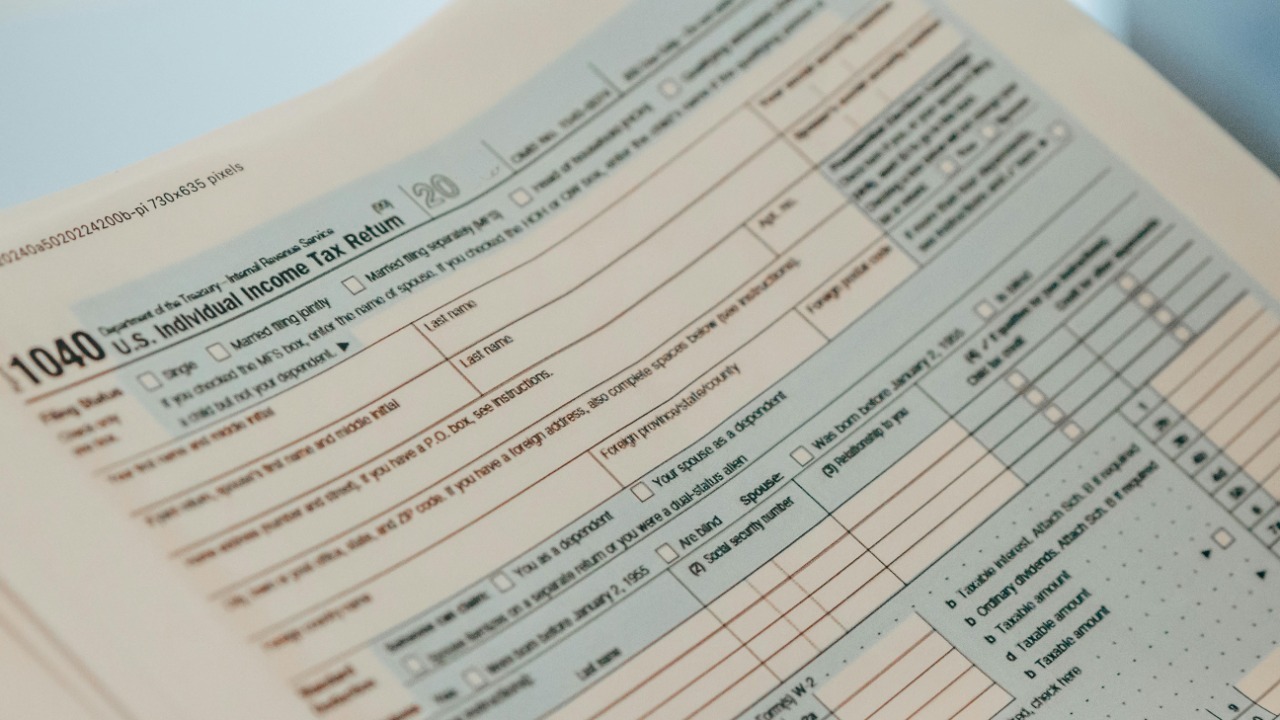
In an announcement issued Jan. 8, the IRS said it would begin accepting and processing individual federal income tax returns on Monday, Jan. 26. The agency’s 1040 electronic filing schedule shows the same opening date, along with April 15, 2026, as the last day for timely filed returns for most taxpayers.
| Tax dateWhat it meansJan. 26, 2026IRS begins accepting 2025 individual federal returnsApril 15, 2026Deadline to file a 2025 return and pay taxes owed for most filersOct. 15, 2026Extended filing deadline for taxpayers who request an extensionApril 15, June 15, Sept. 15, 2026Main estimated-tax dates for many self-employed and side-income taxpayersJan. 15, 2027Final 2026 estimated-tax installment for most taxpayers who make quarterly payments |
|---|
One deadline that trips up taxpayers every year is the extension deadline. Filing an extension gives extra time to send the return, not extra time to pay. Anyone expecting to owe still generally needs to pay by April 15 to avoid interest and possible penalties. Refund-focused filers have another reason to pay attention to timing. The IRS says most refunds are issued in fewer than 21 days once an accurate electronic return is received and direct deposit is selected.
However, returns claiming the Earned Income Tax Credit or Additional Child Tax Credit usually move on a different clock. This is because of certain fraud-prevention rules. In its filing-season materials, the agency said many early EITC and ACTC refunds would not be expected in accounts until early March if there are no issues with the return.
The Biggest Changes Affecting 2025 Returns
The most important distinction this season is that taxpayers are filing 2025 returns in early 2026. That means the headline changes are the rules that now apply to tax year 2025. Meaning not only the inflation figures the IRS has already published for 2026. Among the most noticeable shifts is the larger standard deduction. On its individuals and workers guidance page, the IRS says the standard deduction for tax year 2025 is $31,500 for married couples filing jointly.
Figures stand at $15,750 for single filers and married people filing separately, and $23,625 for heads of household. For households that do not itemize, that increase alone may reduce taxable income without any extra paperwork. Itemizers, meanwhile, may see the biggest change in the deduction for state and local taxes. IRS instructions now reflect a higher cap of up to $40,000 for state and local income, sales and property taxes, with a lower cap for married taxpayers filing separately and a phase-down at higher income levels. That is a major change from the old $10,000 ceiling and could make itemizing worthwhile again for more homeowners, especially in higher-tax states.
Still, a higher SALT cap does not automatically mean itemizing wins. Taxpayers need the full value of their itemized deductions, including mortgage interest, charitable giving and eligible taxes, to exceed the standard deduction for their filing status. In many households, the smarter move will be obvious only after running both numbers.
What “No Tax on Overtime” Actually Means
The phrase has attracted plenty of attention, but the details matter. Under IRS guidance on qualified overtime compensation, eligible taxpayers may deduct up to $12,500 of qualified overtime compensation. It can rise up to $25,000 on a joint return, subject to income limits. That does not mean every dollar of overtime pay is automatically free from federal income tax. The IRS says the deduction generally applies to the portion of overtime compensation that exceeds the worker’s regular rate of pay.
A good example is the premium portion of time-and-a-half pay required under federal labor law. It is also subject to phaseouts once modified adjusted gross income rises above the relevant threshold. For married taxpayers, they generally must file jointly to claim benefits. That is an important nuance because workers who hear “no tax on overtime” may assume the entire overtime check is excluded. It is more accurate to think of this as a new above-the-line deduction with guardrails, not a blanket exemption.
Taxpayers who received overtime should pay close attention to how their wages are reported and make sure the figures on their return match the information the IRS expects to see. The same goes for several other new or expanded deductions highlighted by the IRS for this tax filing season. This includes deductions tied to qualified tips, certain passenger vehicle loan interest, and an added deduction for eligible seniors. Not every taxpayer will qualify, but more returns this year are likely to include deduction choices that did not exist in prior seasons.
Quarterly Estimated Taxes Still Matter
W-2 employees are not the only people who need to circle dates on the calendar. Freelancers, contractors, gig workers, investors with large non-wage income and many small business owners may need to make estimated tax payments during the year rather than waiting until the next spring. The IRS’s estimated tax guidance and 2026 materials already lay out the usual payment schedule. The dates include April 15, June 15 and Sept. 15. The final installment is due Jan. 15, 2027, for most taxpayers.
Missing those deadlines or underpaying can trigger penalties even if the taxpayer later catches up when filing the annual return. That makes withholding and estimated taxes worth revisiting early, especially for people who picked up freelance work and sold appreciated assets. It also includes those who received a bonus, or changed jobs. In a season with more deduction changes than usual, taxpayers may focus on refunds and overlook the separate question of whether enough tax is being paid during the year.
Free Filing Options Are Still Available
Price is another place where taxpayers can save money if they know where to start. In a Jan. 9 IRS announcement, the agency said IRS Free File was already available ahead of the official opening of filing season. This allowed eligible taxpayers to prepare returns early and have them held for transmission once the season begins. For the 2026 tax filing season, the IRS said taxpayers with 2025 adjusted gross income of $89,000 or less can use guided software through IRS Free File. The taxpayers above that threshold can use Free File Fillable Forms if they are comfortable preparing a return themselves.
The key is to start through the official IRS portal. This is preferred than going straight to a commercial provider’s general landing page. For many households, that will be enough. But even taxpayers planning to use a paid preparer or premium software should gather W-2s, 1099s, last year’s return, bank-routing details for direct deposit and any records tied to overtime, tips, vehicle-loan interest or itemized deductions before they sit down to file.
This year’s return is still manageable, but it is less forgiving of autopilot than the average season. That is the bigger story behind the tax filing season 2026. The calendar itself is familiar: file starting Jan. 26, pay by April 15, extend by Oct. 15 if necessary. What has changed is the number of taxpayers whose results may look different from last year even if their income did not move dramatically. In a season shaped by new deductions and revised limits, the smartest filer may simply be the one who reads the fine print before clicking submit.