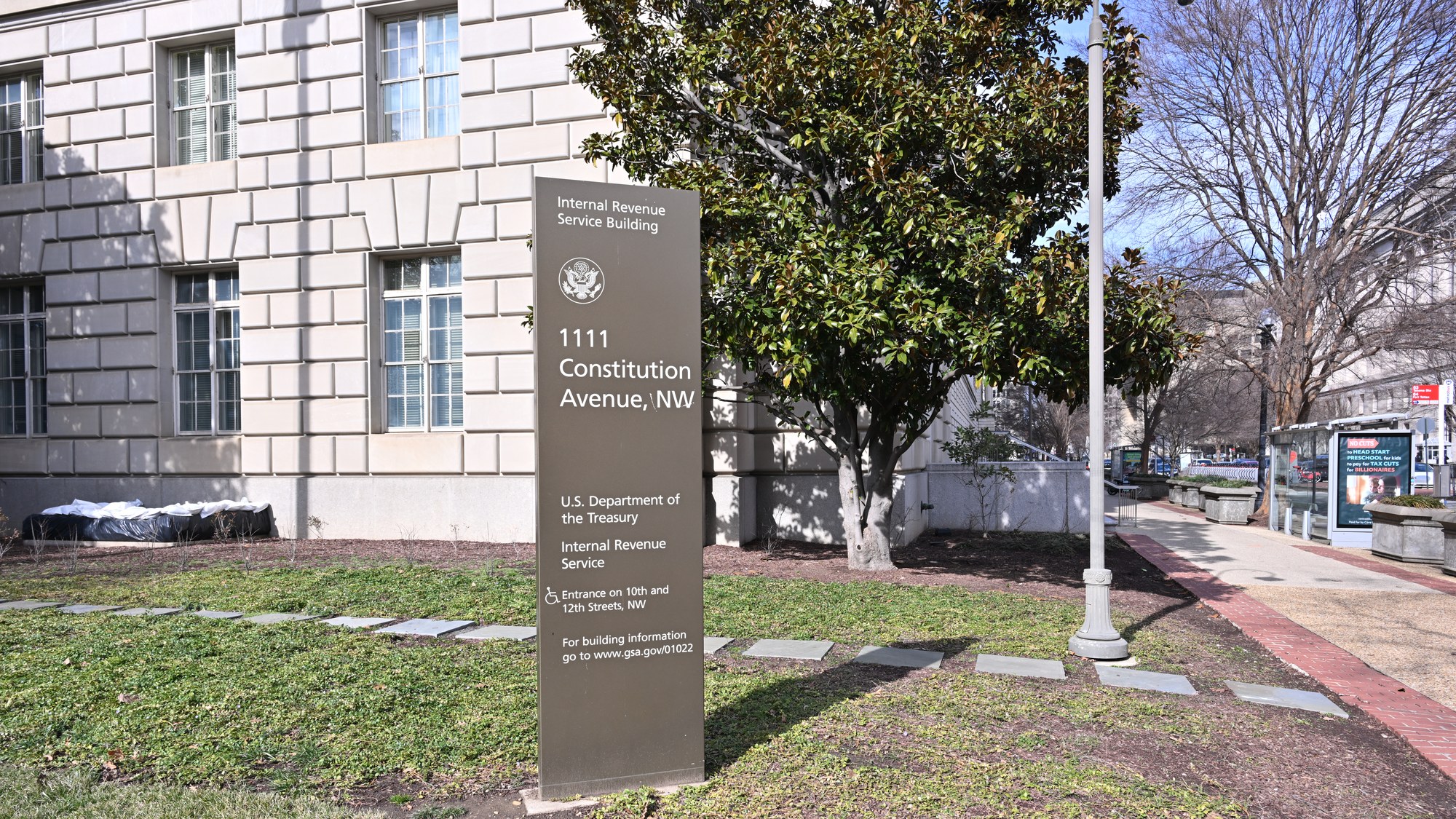
The IRS wants more taxpayers paying online, but its free bank-transfer tool has a hard eligibility line that catches people with the least tax history. In a reminder posted to IRS.gov on September 10, 2026, the agency confirmed that Direct Pay — its no-fee option for paying federal taxes straight from a checking or savings account — cannot be used by anyone who has never filed a federal tax return, or who hasn’t filed one in more than six years. For an older taxpayer who fell out of the filing habit for years, perhaps after retiring, losing a spouse or living for a stretch on income too low to require a return, that means the easiest payment option on IRS.gov simply isn’t available until a return is back on file.
Why Direct Pay Needs a Return on File
The practical wrinkle is timing. A taxpayer who is catching up on filing this year, after a long gap or for the very first time, is still filing the return Direct Pay would eventually check against — it typically takes time for a newly filed return to be processed and appear in IRS records. That means someone bringing a filing current this fall shouldn’t necessarily expect Direct Pay to recognize them right away, even after the return is submitted, and should plan on an alternative payment method for at least this first payment.
Direct Pay works without a password or an IRS Online Account by verifying identity a different way: for individual payments, the system asks a taxpayer to confirm details from a prior-year tax return of their choosing, and for business payments it checks the business name and employer identification number against IRS records, according to the IRS’s September 10 reminder. That design lets someone pay a balance in minutes without registering for an account, but it only works if the IRS has a recent return to check answers against. Someone who has never filed, or whose most recent return is more than six years old, has no current record for the system to match against, which is why the IRS routes that group toward a different payment method rather than through Direct Pay’s identity check.
Free weekday retirement brief: Social Security, Medicare, and the IRS change the rules every year — and no notice arrives in the mail. The Retirement Money Brief by RetireShield explains one change every weekday: what moved, who it affects, and the step to take. Get the free brief.
What Direct Pay Still Offers Everyone Else
For taxpayers who do have a recent return on file, Direct Pay remains a genuinely useful tool. It handles balance-due payments, estimated tax payments, amended-return payments and extension payments at no cost, and it lets a taxpayer schedule a payment up to 365 days in advance, receive an email confirmation, and change or cancel a scheduled payment as late as two business days before it’s due. Married couples filing jointly need to enter the information for whichever spouse is listed first on the return. Each individual Direct Pay payment is capped below $10 million; taxpayers needing to move a larger sum can use a same-day wire or the Electronic Federal Tax Payment System if they’re already enrolled, though EFTPS enrollment itself takes time to set up and isn’t a same-day fix. Direct Pay also cannot deposit a refund — it only moves money to the IRS, not from it, so a taxpayer expecting money back still has to rely on direct deposit or a mailed check through the normal refund process regardless of filing history.
Where the Locked-Out Turn Instead
Applying for EFTPS is one option for someone who expects to make payments regularly rather than a single one-time balance, though enrollment itself has to be completed before it’s useful, since the system mails an activation code rather than granting instant access the way Direct Pay does. For a one-time balance due, a check or money order mailed with the correct payment voucher, or a card payment through one of the IRS’s authorized processors, gets money to the IRS without waiting on any enrollment step at all — the tradeoff is that card processors charge a fee Direct Pay doesn’t. That fee typically runs a small flat amount or a percentage of the payment, depending on the processor, and is disclosed before the payment is submitted.
None of this means a taxpayer without a recent filing history is out of options for paying what they owe — it just means Direct Pay’s instant, no-registration path isn’t one of them yet. The IRS still accepts payment by debit card, credit card or digital wallet through its authorized payment processors, by check or money order mailed with the appropriate voucher, or in cash at certain retail partners, none of which depend on Direct Pay’s prior-return identity check. The more durable fix is getting current on filing: once a return is on record, whether for this year or a past one still owed, Direct Pay’s identity verification has something recent to check against, and the online payment option opens back up the same way it works for everyone else.
What a stalled refund actually means
Each status message and each notice points to a different cause, and each cause has its own next step.
The IRS Refund Recovery Kit includes a 13-page kit, a notice decoder and the refund-trace steps (Form 3911).
Read the notice decoder in The IRS Refund Recovery Kit.
This article was produced with the assistance of AI and reviewed by The Financial Wire editorial team.