The call comes with a countdown. A voice claiming to be from the gas, electric, or water company says the account is dangerously past due and the service will be cut within the hour — unless a payment clears right now, over the phone. For an older person on a fixed income, the threat of a dark, cold house is designed to trigger panic before reason. But the demand itself, especially the way the caller insists on being paid, is the surest sign that no utility is on the line at all.
How a real utility actually handles an overdue account
Legitimate utility companies do not operate by ambush. When a bill falls behind, they send written notices through the mail, spell out the amount owed, and offer a stretch of time and a range of ordinary ways to pay — a check, a card, the account portal, or an in-person office. Most are also bound by state rules that require advance warning and, in many places, protections against shutting off heat or power during extreme weather. A genuine past-due process unfolds over weeks, with more than one mailed warning and a clearly stated disconnection date, never a single phone call giving a customer minutes to comply.
What a real utility will never do is call out of the blue and insist on an immediate, same-day payment through an unusual channel to avoid disconnection minutes from now. The Federal Trade Commission’s guidance on utility impersonators is direct: if someone threatens to shut off service unless payment happens on the spot, it is a scam, and the right move is to hang up. Real providers also steer struggling customers toward payment plans and assistance programs rather than a same-day lump sum, and a legitimate representative will readily supply a call-back number and account details a customer can check independently, while a scammer resists any delay that lets the target verify the story.
Free retirement updates: Scam calls targeting retirees change every week. Our free Retirement Shield newsletter flags the ones going around and the one tell that stops each. Sign up free.
The payment methods that give the fraud away
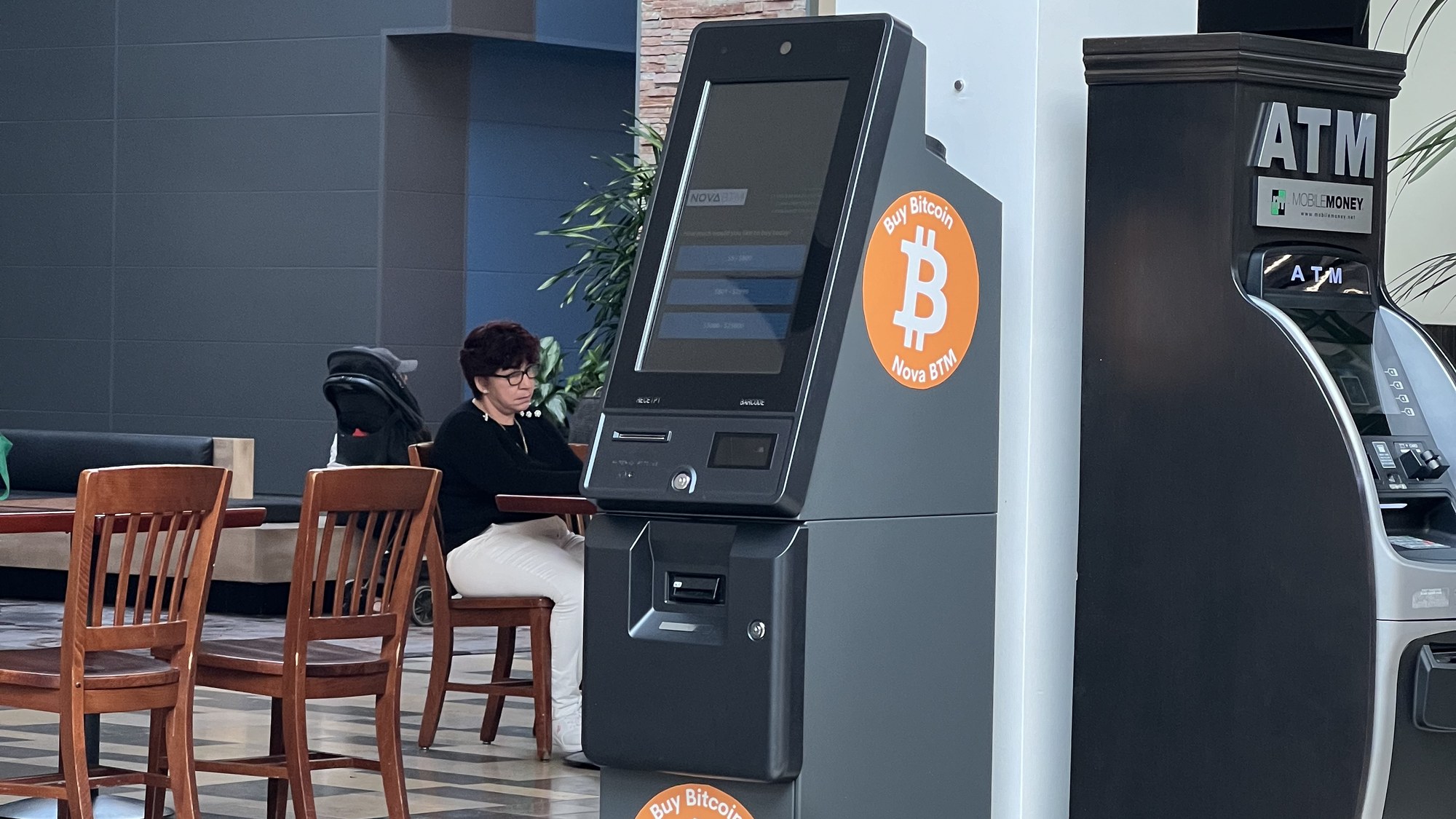
The strongest tell is not the threat but the wallet the caller reaches for. Impostors almost always steer the target toward money that cannot be recovered: gift cards read aloud over the phone, cryptocurrency fed into a Bitcoin machine, a wire transfer through a service like Western Union or MoneyGram, or a peer-to-peer app such as Zelle or Cash App. Each of those methods lands the funds with the scammer instantly and leaves no charge to dispute.
No genuine electric or water provider asks a customer to keep the power on by buying store gift cards and reciting the codes on the back. The moment those words are spoken, the account status the caller described is irrelevant — the request has answered the question of who is really calling. A crypto ATM, a mailed stack of gift cards, or a wire to a name the customer has never heard of has no place in any real utility’s billing, which settles payments through the same familiar channels month after month.
Why the calls target retirees and small businesses
Utility impersonation thrives because everyone has a power bill and no one wants to lose service. Scammers can even fake the caller ID so the incoming number appears to belong to the real company, and some route victims to a phony hold line complete with hold music and a fake account menu. Others show up at the door in a vest and lanyard, pressuring their way toward an on-the-spot payment or a look inside the home. The faked number is not something a customer can catch by looking; the FCC explains that caller ID spoofing lets a scammer display any name or number they choose, including a utility’s real customer-service line, so the screen confirms nothing about who is actually on the call.
Impersonation of trusted companies and agencies is among the most reported categories of fraud in the country, and the FTC’s overview of imposter scams notes a common thread across all of them: an unexpected contact, a story built on urgency, and a push toward an untraceable payment. Recognizing that pattern in one setting makes it easier to spot in the next. For a household living on a fixed income, a single coerced payment of a few hundred dollars can mean a month of groceries or a skipped prescription, the very squeeze the threat of losing heat or light is engineered to apply.
The habit that shuts the call down
The defense takes less than a minute. When a shutoff threat arrives by phone, text, email, or a knock at the door, the safe response is to end the contact without paying and without sharing any account or banking details. Any real question about a balance can be settled by calling the utility directly at the number printed on a past paper bill or on the company’s official website — never a callback number the stranger supplies. A quick call to that verified line will confirm within moments that the account is fine. Anyone who has already sent money should contact their bank or the gift-card issuer immediately and report the loss to the FTC, whose casework depends on those reports. The steadiest rule for a scam-wary household is the plainest one: a same-day disconnection threat that demands gift cards or crypto is never the utility company.
This article was researched and drafted with AI assistance and reviewed against the linked primary sources.
More Financial Reading
- The ideal retirement withdrawal rate so your savings actually last
- How many CDs can you park at 1 bank? FDIC rules you must know