The Dow Jones Industrial Average surged 594.83 points on July 2, 2026, closing at 52,900.07 and setting a fresh record high just ahead of the July 4 holiday weekend. The rally stood in contrast to a mixed session for other major U.S. stock indexes, raising a pointed question: did broad economic confidence lift the blue-chip index, or did the Dow’s unusual price-weighted construction do the heavy lifting?
Jobs data, index mechanics, and the July 2 record
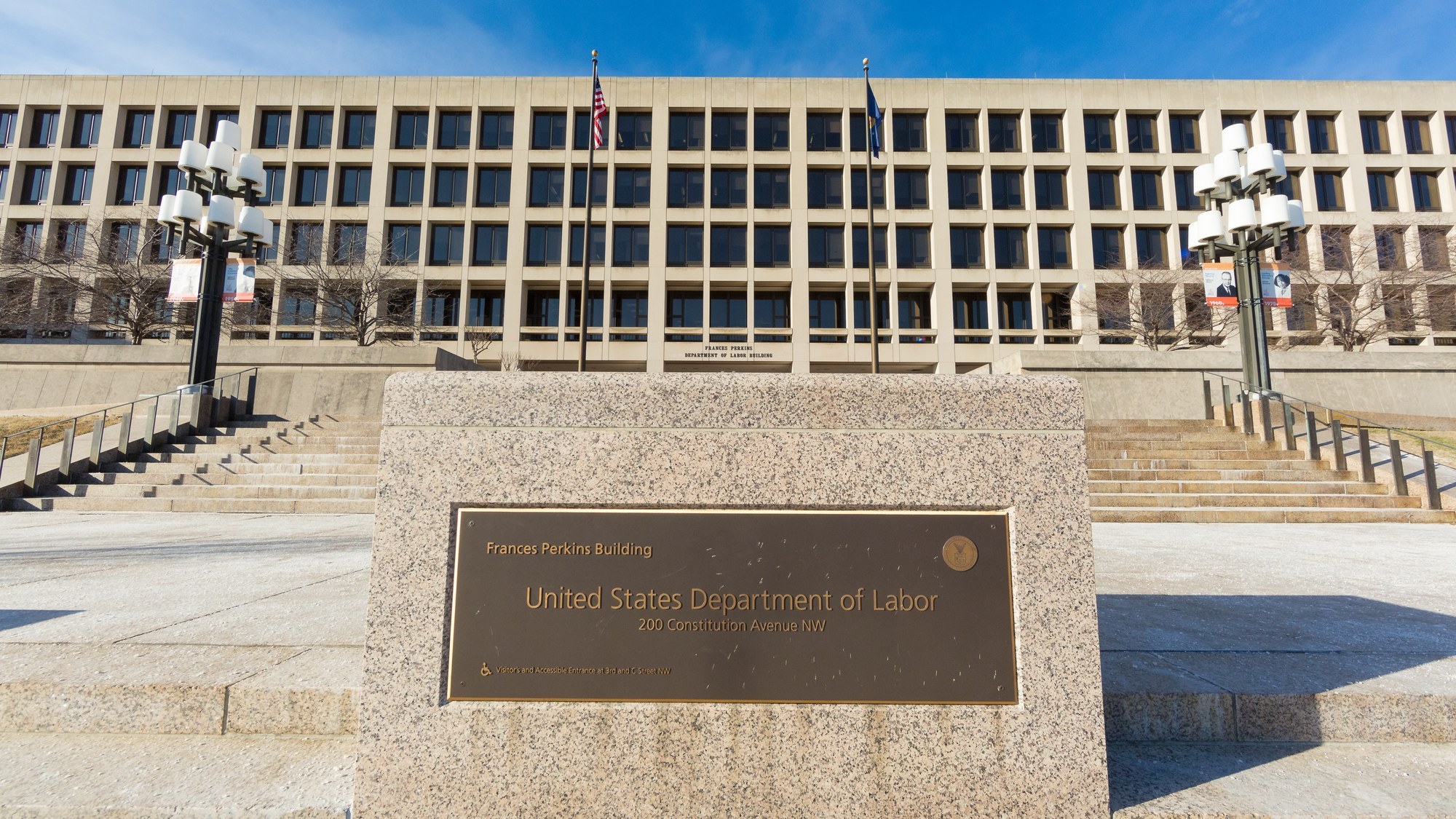
The morning’s employment report gave traders a clear catalyst. The Bureau of Labor Statistics reported that total nonfarm payroll employment rose by 57,000 in June while the unemployment rate held at 4.2 percent. That combination, modest hiring paired with a stable jobless rate, suggested the labor market was cooling without cracking. For equity investors, the print landed in a sweet spot: soft enough to keep rate-cut expectations alive, firm enough to avoid recession alarms.
The Dow’s 1.1 percent gain translated into a close at 52,900.07, a level the 30-stock average had never reached before. Yet most other major U.S. stock indexes finished the session mixed, with technology and artificial-intelligence-linked names dragging on the S&P 500 and Nasdaq. That split points to something structural. The Dow is price-weighted, meaning its highest-priced components, often industrial, financial, and healthcare stocks, exert outsized influence on the index’s direction regardless of their market capitalization. When those sectors rally on a jobs report that signals steady economic activity, the Dow can sprint ahead even as growth-oriented benchmarks stall.
Without publicly available equal-weighted Dow data or same-day sector ETF flow figures, the precise contribution of index mechanics versus genuine optimism is hard to pin down. The observable evidence, a record Dow alongside mixed results for the S&P 500 and Nasdaq, is consistent with a rotation into value-leaning components rather than a broad risk-on move across equities.
What the June payrolls report actually showed
A gain of 57,000 jobs is well below the monthly pace that defined much of the post-pandemic recovery. The unemployment rate at 4.2 percent has held in a narrow range for several months, suggesting the labor market has settled into a slower rhythm. For workers, the practical takeaway is that hiring has not collapsed, but the pace of new job creation is unlikely to push wages sharply higher in the near term. For the Federal Reserve, the report offered little pressure to change course in either direction on interest rates.
The timing of the release, landing on the last full trading day before a holiday, compressed the market’s reaction into a single session. Thinner pre-holiday volumes can amplify moves in either direction, and the Dow’s nearly 595-point jump arrived in that context. Traders positioned quickly, favoring sectors tied to domestic economic activity over high-multiple technology names that have led gains earlier in 2026.
Gaps in the July 2 rally narrative
Several pieces of the puzzle are still missing. The BLS release confirmed topline payroll and unemployment figures, but detailed information on industry-level hiring, hours worked, and wage growth will take time to filter through investor models. Those breakdowns will help clarify whether June’s slowdown was concentrated in a few interest-rate-sensitive industries or reflected a broader easing in labor demand.
Another uncertainty is how much of the Dow’s move reflected genuine long-term repositioning versus short-term trading around the holiday. With many institutional desks lightly staffed, relatively modest buy programs in a handful of high-priced components can translate into large index-point gains. That dynamic is amplified in a price-weighted benchmark, where a rally in a single expensive stock can outweigh declines across multiple cheaper constituents.
The divergence with other benchmarks also complicates the story. According to one account of the session, some large-cap technology and chip names slipped as investors locked in profits after a strong first half of the year, even as more cyclical and defensive shares climbed. That pattern fits with a market that is rotating rather than broadly surging, and helps explain why the Dow, with heavier exposure to industrials and financials, could set a record while the Nasdaq lagged.
How the Fed and bond market fit in
Underlying the equity moves is the ongoing debate over when and how quickly the Federal Reserve will cut interest rates. The June payroll gain of 57,000, while modest, did not suggest an economy on the brink of contraction. At the same time, it did little to revive fears of an overheated labor market that might force additional tightening. For policymakers, that combination keeps options open and reinforces a data-dependent stance through the second half of the year.
Bond traders appeared to interpret the numbers as mildly supportive of easing later in 2026, with yields edging lower on the view that slower job creation reduces the risk of persistent inflation. That backdrop can be supportive for equities overall, but it tends to favor companies whose valuations are sensitive to discount rates and long-term growth assumptions. The fact that rate-sensitive growth stocks did not lead on July 2 underscores how much sector composition and index construction shaped the day’s headlines.
What to watch after the holiday
The next several trading sessions will test whether the Dow’s record close was a one-day anomaly or the start of a more durable shift. Investors will be watching incoming data on inflation, consumer spending, and corporate earnings guidance to see if the narrative of a cooling-but-resilient economy holds. Any surprise in those reports could quickly reshape expectations for Fed policy and, by extension, sector leadership.
Market participants will also pay close attention to whether flows into industrial, financial, and defensive sectors persist once full liquidity returns after the July 4 break. If buying broadens out to include the large technology and AI names that struggled on July 2, the gap between the Dow and other benchmarks could narrow. If not, the early summer may be remembered as a moment when a price-weighted index captured a very specific kind of optimism that was not yet shared across the rest of the market.
For now, the July 2 rally stands as a reminder that index records can mask as much as they reveal. A single day’s action, even one that sets a high-water mark, must be weighed against the underlying economic data, the mechanics of index construction, and the shifting preferences of investors navigating an uncertain path for growth and interest rates. In that sense, the Dow’s milestone is less a definitive verdict on the economy than a snapshot of how one slice of the market responded to a carefully parsed jobs report and a holiday-thinned trading day.