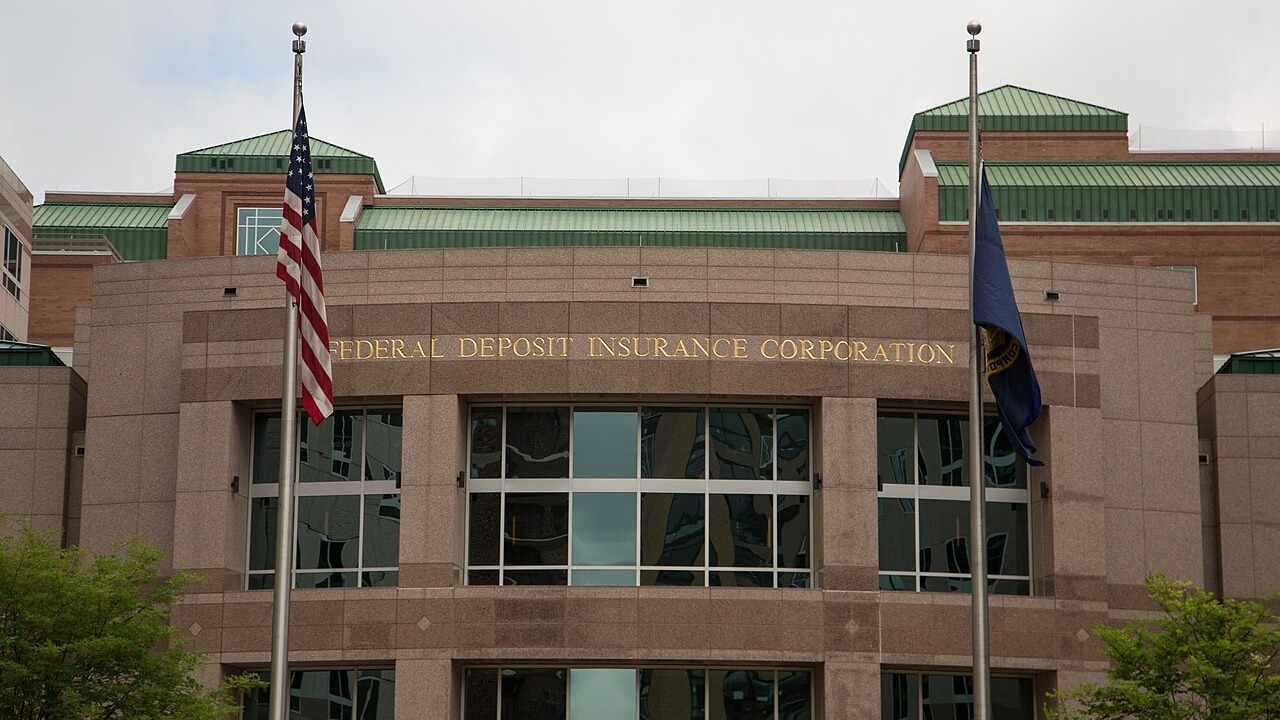
Starting June 9, 2026, federal banking regulators will be barred from pressuring banks to shut down customer accounts based on political, religious, or social views. The rule, jointly finalized by the Federal Deposit Insurance Corporation and the Office of the Comptroller of the Currency, strips “reputation risk” from the supervisory toolkit that examiners use when evaluating banks. For account holders who have faced abrupt closures tied to their advocacy, industry, or beliefs, the change rewrites the terms of their relationship with the institutions that hold their money.
What the final rule actually does
The joint final rule was published in the Federal Register on April 10, 2026, and takes effect 60 days later on June 9. At its core, the regulation eliminates reputation risk as a factor that federal examiners can cite when supervising FDIC‑insured banks. Under previous guidance, examiners could flag a bank’s association with certain customers or industries as a reputational concern, which in practice gave regulators a lever to encourage or direct account closures without explicitly ordering them.
According to the OCC and FDIC’s joint announcement, the final rule “codifies the elimination of reputation risk” and prohibits regulators from requiring, instructing, or encouraging an institution to close customer accounts on the basis of political or social views. The OCC has already begun reissuing interagency guidance documents with all reputation risk references removed, a step that translates the rule into day‑to‑day examiner practice and signals to banks that such considerations should no longer appear in supervisory conversations.
FDIC Acting Chairman Travis Hill framed the effort as a direct response to what he called “politicized debanking.” In his statement accompanying the earlier proposal, Hill said the rule would prohibit the FDIC from encouraging account closures or refusals of service based on political, social, cultural, or religious views, and that language carried through to the final version. The agencies are explicit that the rule is intended to constrain their own behavior, not to micromanage banks’ commercial decisions.
How the rule reached this point
The regulatory chain began with an executive order titled “Guaranteeing Fair Banking For All Americans,” which directed federal agencies to end the use of reputation risk as a supervisory tool. Hill responded to the order by previewing planned rulemaking that would bar examiners from criticizing institutions on reputational grounds or directing account closures tied to viewpoint‑based judgments. That preview soon became a formal process.
The FDIC, along with other banking regulators, then issued a joint notice of proposed rulemaking, describing the proposal as a response to concerns that reputation risk had been used as a pretext for restricting access to financial services based on political or religious beliefs and lawful business activities. In that proposal, which the FDIC summarized in a press release, the agencies outlined how reputation risk concepts had migrated from internal risk management jargon into a de facto policy tool affecting which customers banks were willing to serve.
An internal board memorandum supporting the proposal laid out the legal rationale and supervisory background that fed into the administrative record. It argued that reputation risk, as used in some guidance, lacked a clear statutory basis and created room for subjective judgments about customers’ viewpoints. During the comment period, trade associations, advocacy groups, and individual commenters weighed in on whether the agencies had overstepped in the past and how far the new restrictions should go.
In a separate statement, Hill emphasized that the proposal was meant to ensure regulators “do not pressure banks to terminate customer accounts for reasons unrelated to safety and soundness.” After reviewing comments, the agencies finalized the rule and published it in April 2026. The OCC simultaneously updated its supervisory bulletins to strip reputation risk language from existing guidance, ensuring that the change reached examiners through both formal regulation and practical instruction.
What is verified so far
Several facts are well documented in the agencies’ own records. The final rule was published in the Federal Register on April 10, 2026, with an effective date of June 9. The OCC has reissued interagency guidance with reputation risk references deleted, aligning its manuals and bulletins with the new legal standard. Travis Hill, as FDIC Acting Chairman, publicly stated that the proposal targets politicized debanking and prohibits the agency from encouraging account closures based on viewpoint. The executive order that set the process in motion is titled “Guaranteeing Fair Banking For All Americans,” and it explicitly directed regulators to end the use of reputation risk as a supervisory lever.
What the public record does not contain is equally telling. No agency has released data on how many accounts were closed under prior reputation risk guidance or what share of those closures were tied to political views. The Federal Register filing and OCC bulletins include no detailed compliance cost estimates or bank‑by‑bank implementation timelines. And no consumer complaint database has been cited to quantify how often examiners actually invoked reputation risk before the rule, leaving open the question of whether the change addresses a widespread practice or a narrower set of high‑profile disputes.
What remains uncertain
The regulatory record shows some tension between the proposal stage and the final rule stage. The FDIC’s earlier materials describe a joint notice of proposed rulemaking to prohibit the use of reputation risk by regulators. The OCC’s later release describes a final rule that “codifies the elimination of reputation risk.” While the progression from proposal to final rule is a standard regulatory sequence, the agencies have not published a detailed reconciliation of public comments or explained what, if anything, changed between the two stages. Readers should treat the final rule as the controlling document, but the absence of a public comment summary leaves the reasoning behind any modifications unclear.
The rule also applies only to federal regulators, not to banks themselves. A bank can still close an account for business reasons unrelated to examiner pressure, including credit risk, fraud concerns, or profitability. The regulation removes one specific channel of government influence over account decisions, but it does not create an affirmative right for any customer to maintain a bank account. Whether the practical effect matches the political framing will depend on how much of the prior debanking activity was driven by examiner signals versus banks’ own risk calculations.
Another open question is how examiners will handle emerging controversies that traditionally would have been framed as reputational issues, such as ties to politically exposed persons or industries that attract public scrutiny. The rule does not prevent regulators from addressing classic safety‑and‑soundness risks, including legal compliance, liquidity, and credit exposures. But it does require them to ground any supervisory criticism in those concrete categories rather than in generalized fears about public perception. How consistently that line is drawn will shape how meaningful the reform becomes in practice.
How to read the new protections
For consumers and businesses, the rule is best understood as a constraint on government, not a guarantee from banks. Federal regulators may no longer lean on reputation risk to nudge institutions away from unpopular customers or causes, and they are expressly barred from urging closures based on political, social, cultural, or religious views. That should reduce the likelihood that an examiner’s preferences, or an administration’s broader policy agenda, translate into behind‑the‑scenes pressure on account access.
At the same time, the rule does not prevent banks from making their own judgments about which customers fit their business models or risk appetites. Institutions remain free to adopt policies about high‑risk industries, controversial advocacy groups, or other categories of clients, so long as those policies are not mandated or steered by federal supervisors invoking reputation concerns. Customers who experience account closures after June 9 may find it harder to argue that regulators were the driving force, because the formal authority to cite reputation risk will have been removed.
Ultimately, the new framework shifts the focus of any future disputes. Instead of asking whether regulators overreached by invoking a vague concept of reputational harm, the key questions will be whether banks can document legitimate safety‑and‑soundness reasons for their decisions and whether examiners stayed within the tighter boundaries the rule imposes. For account holders worried about politicized debanking, that may not amount to a right to be served, but it does offer a clearer view of who is actually making the call when access to banking is on the line.