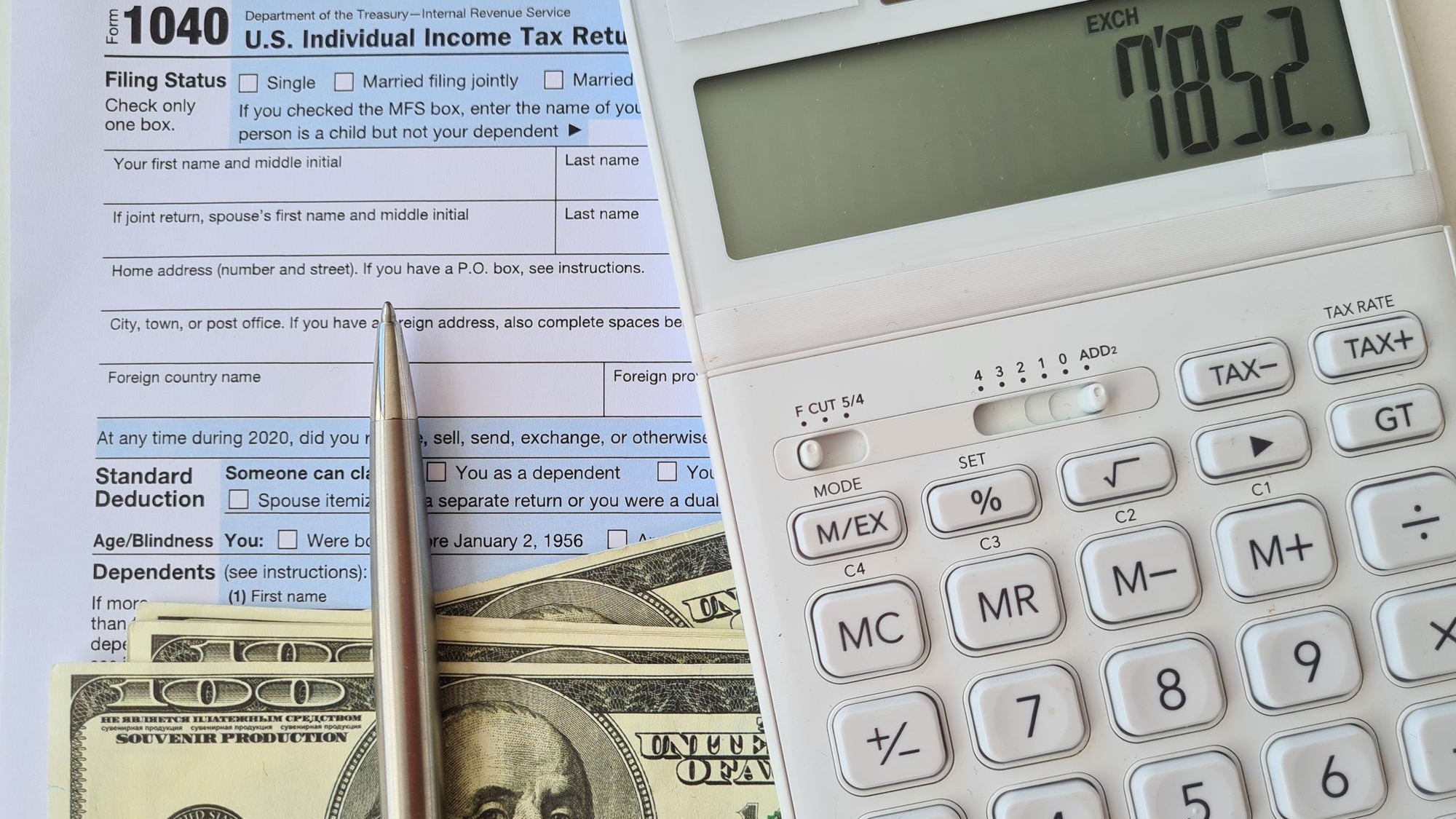
Every child born in the United States between January 1, 2025, and December 31, 2028, who holds U.S. citizenship and a valid Social Security number will receive a $1,000 federal deposit into a new savings account when the Trump Accounts program officially opens on July 4, 2026. The launch, timed to coincide with the nation’s 250th anniversary, represents the first time the federal government has committed to seeding individual investment accounts for newborns at scale. For millions of families, the practical question now is how the money will be invested, who else can contribute, and what details the government has yet to finalize.
What is verified so far
The legal foundation for the program is Section 530A of the Internal Revenue Code, added by Section 70204 of the One Big Beautiful Bill Act through the Working Families Tax Cuts provisions enacted on July 4, 2025. The Treasury Department and the IRS have jointly issued proposed regulations spelling out how the $1,000 pilot contribution will work. According to the official IRS guidance, the federal government will deposit $1,000 into the account of each eligible child. Eligibility requires two things: U.S. citizenship and a valid Social Security number, as confirmed in that agency material.
Treasury Secretary Scott Bessent has stated publicly that the $1,000 seed contribution is to be invested in an index fund. His remarks also confirmed that parents, employers, states, and philanthropic organizations will be allowed to make additional annual contributions on top of the federal deposit. The administration’s own Treasury announcement established that eligible children will begin receiving the $1,000 pilot contribution starting July 4, 2026, and directed families to the official Trump Accounts app and portal as the sole legitimate channels for account access.
The eligibility window is specific: children born from January 1, 2025, through December 31, 2028. That means babies already born during 2025 and the first half of 2026 will have accounts created retroactively once the portal goes live. The program site at trumpaccounts.gov confirms the public-facing launch date and serves as the entry point for families ready to establish accounts, emphasizing that users should avoid look‑alike websites or unsolicited messages that claim to offer early enrollment.
Treasury officials have framed the rollout around the country’s semiquincentennial, calling Trump Accounts “the defining policy of America’s 250th anniversary.” The Senate Finance Committee has echoed the administration’s timeline, describing the $1,000 Treasury initial investment and the July 4 contribution start in its own summary of the Working Families Tax Cuts. Across these materials, there is no indication that Congress intends to revisit the deposit amount or the eligibility dates before the program opens.
What remains uncertain
Several operational details have not been disclosed in any official Treasury, IRS, or congressional document published to date. The specific index fund that will hold each child’s $1,000 deposit has not been named. Secretary Bessent’s remarks referenced “an index fund” without specifying the provider, benchmark, or expense ratio. That gap matters because fund fees, even small ones, compound over the 18-plus years a child’s account could remain invested. Families and financial advisers cannot yet evaluate the expected net return or compare the Trump Accounts option to other long-term savings vehicles.
The identity-verification process also lacks public detail. Establishing an account requires a valid Social Security number, but the proposed regulations and program portal have not explained how the IRS, the Social Security Administration, and the Trump Accounts platform will share data or authenticate applicants. For parents of children already born, the sequence of steps to claim the retroactive deposit is not yet spelled out beyond a general direction to use the official app and follow instructions that will be provided closer to launch.
Projected contribution volumes from non-federal sources remain unknown. Secretary Bessent identified employers, states, and philanthropies as additional funding channels, yet no Treasury or IRS document has published expected annual inflows from those parties. Whether individual states will create matching programs, and at what dollar levels, is an open question that could significantly affect the total balance a child accumulates over time. Likewise, there is no public estimate of how many employers will choose to add Trump Account contributions to their benefit packages.
The proposed regulations published in the Federal Register invite public comment, which means certain program mechanics could still change before final rules take effect. Until those regulations are finalized, the precise annual contribution limits for family members and third parties are subject to revision. The tax treatment of withdrawals, and how Trump Accounts will interact with existing education and retirement savings incentives, could also be clarified or adjusted in the final rule text.
How to read the evidence
The strongest evidence supporting the program’s existence and timeline comes directly from federal government sources. The codified statutory text in 26 U.S.C. Section 530A, the joint Treasury-IRS proposed regulations, and Secretary Bessent’s on-the-record remarks form a clear chain of authority. These are primary documents, not secondhand summaries, and they confirm the $1,000 deposit amount, the eligibility window, and the July 4 activation date without contradiction across sources.
Congressional materials from the Senate Finance Committee align with the executive branch’s description of the program, providing a legislative-branch confirmation of the same core facts. When both branches describe identical terms, the probability of a last-minute change to the launch date or deposit amount is low, though not zero, given that final regulations have not yet been published. Until those final rules appear, families should treat the current framework as highly likely but still technically provisional.
What the primary documents do not contain is equally telling. No official source has specified the underlying index fund, laid out a step-by-step enrollment flow for retroactive accounts, or provided numerical projections for non-federal contributions. In the absence of those details, any confident claims about expected returns, the ease of sign‑up, or the typical size of employer or state matches are speculative. Analysts can model hypothetical outcomes, but they cannot anchor those projections to confirmed program design choices.
For now, the most reliable way for families to prepare is to focus on what is firmly established. Children who meet the birthdate, citizenship, and Social Security number requirements are on track to receive a $1,000 federal deposit starting July 4, 2026, with accounts accessible only through the official app and portal. Additional contributions from parents and other parties will be permitted, though the exact limits and tax interactions await final regulatory language. Key investment and administrative details remain open, and observers will need to watch the final regulations and future Treasury communications to see how those gaps are filled in.