Put a number on it: a family closing on a $400,000 home this month at 6.6 percent will write a check for roughly $2,509 in principal and interest every month for the next 30 years. The same loan in early 2021, when 30-year fixed rates briefly dipped below 3 percent, would have cost about $1,686. That $823-a-month gap adds up to nearly $10,000 a year in extra housing cost, and it is not shrinking anytime soon.
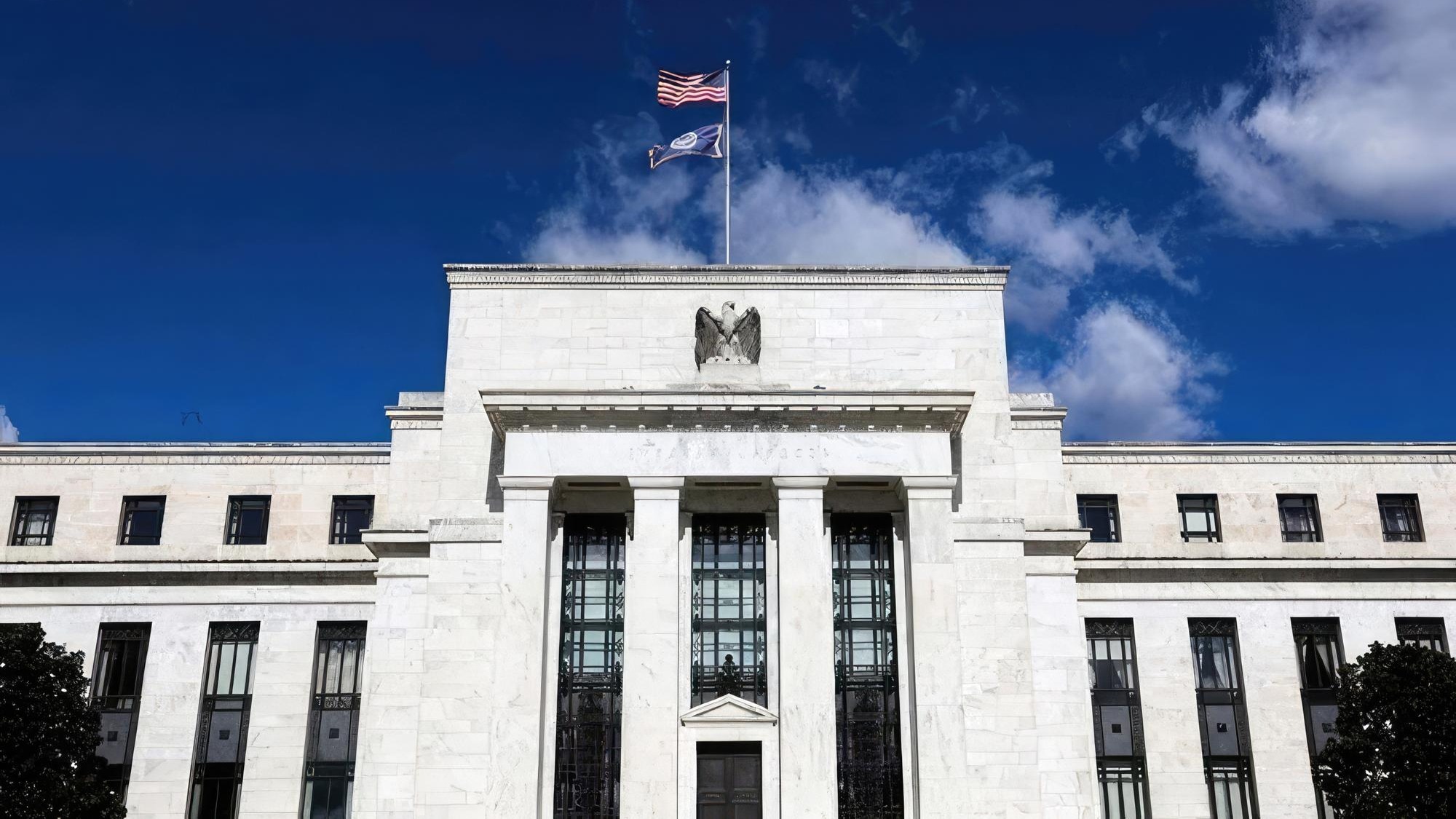
The Federal Reserve’s rate-setting committee meets June 16 and 17, and the CME FedWatch tool shows traders pricing a 98 percent probability, as of late May 2026, that officials will leave the federal funds rate unchanged. For tens of millions of households already stretched by elevated mortgage rates and credit card APRs above 21 percent, the expected hold means another summer of expensive borrowing with no relief on the horizon.
Why the Fed is expected to stand pat
The FOMC calendar confirms the two-day June session, with the policy decision and Chair Jerome Powell’s press conference scheduled for the afternoon of June 17. That meeting will also produce the quarterly Summary of Economic Projections, the so-called dot plot, giving markets their first updated look at where individual officials expect rates to land through 2027.
The sticking point remains inflation. Price growth has cooled considerably from its mid-2022 peak, but core PCE inflation, the Fed’s preferred gauge, was still running above the 2 percent target as of the most recent Bureau of Economic Analysis reading. Because the BEA publishes this data on a rolling basis and the next release may land before or shortly after the June meeting, the exact figure available to policymakers on decision day could shift. What has not shifted is the direction of Fed commentary: Powell told reporters after the May meeting that the committee needs to see “more good data” before it can move, echoing language he and other governors have used for months. Until the numbers cooperate, the default position is to hold.
Futures markets reflect that caution well beyond June. CME pricing as of late May 2026 does not fully price in a first cut until late in the year, with some contracts pushing expectations into early 2027. For context, the dot plot released in March 2025, more than a year ago, had projected rate reductions that largely never materialized. That miss is a useful reminder: even the Fed’s own forecasts are not commitments.
What borrowers are actually paying right now
Two official data series anchor the cost picture. The Fed’s G.19 statistical release, which tracks commercial bank interest rates on credit card plans, pegs the average rate on accounts assessed interest at approximately 21.5 percent, based on March 2026 data published May 7. That figure has barely moved in over a year because credit card rates are tied to the federal funds rate through the prime rate. When the Fed holds, card rates hold too.
On the mortgage side, Freddie Mac’s Primary Mortgage Market Survey shows the 30-year fixed average has hovered between roughly 6.3 and 6.8 percent for months, though the upper end of that range reflects periodic survey readings rather than a sustained level. The Associated Press reported the average eased to 6.36 percent in mid-May, a modest dip driven by shifting Treasury yields rather than any change in Fed policy expectations. The 6.6 percent figure in the headline reflects the approximate midpoint of that recent range and what many borrowers are actually being quoted, since individual rates vary by credit score, down payment, and loan type.
The dollar cost is concrete. A cardholder with a $6,000 balance at 21.5 percent who makes only minimum payments will need roughly 22 years to pay it off and will spend more than $11,000 in interest, nearly double the original balance, according to standard amortization calculators. Homebuyers face a different squeeze: they are not just paying more per month, they are qualifying for less house, because lenders size the loan based on the monthly payment relative to income. At 6.6 percent, a buyer earning $90,000 a year qualifies for meaningfully less than the same buyer would have at 3 percent, even though nothing about their paycheck has changed.
What could shift the timeline
A 98 percent probability is not a guarantee. Market-implied odds can move fast if economic data surprise before June 17. A sharply weaker jobs report or a convincing drop in inflation readings could revive cut expectations almost overnight. On the other side, a renewed pickup in price pressures or an external shock, such as a spike in energy costs tied to geopolitical disruption, could push the timeline for relief even further out.
The June 17 dot plot will be the main event for rate watchers. If the median projection shifts lower, signaling that more officials expect cuts later in 2026, mortgage rates could drift down in anticipation, even before the Fed actually moves. Treasury yields, which drive fixed mortgage pricing, often react to forward guidance as much as to the rate decision itself. A dovish surprise in the dots could shave 10 to 20 basis points off mortgage rates within days.
But there is a scenario many borrowers are not planning for: rates staying elevated well into 2027. If inflation proves stickier than expected, or if fiscal policy adds new demand pressures, the Fed may conclude that the current rate level is appropriate for longer than anyone hopes. Powell has been explicit on this point, telling Congress earlier this year that the committee would rather hold too long than cut too early and risk reigniting inflation. That is not bluster. The Fed watched the stop-and-start rate cycles of the 1970s produce a decade of economic pain, and current leadership has no interest in repeating the experiment.
Moves borrowers can make before June 17
Hoping for a rate cut is not a financial plan. Households carrying high-interest credit card debt should prioritize paying it down aggressively, starting with the highest-rate card. Transferring balances to a 0 percent introductory-rate card, where available, can buy 12 to 21 months of breathing room, but only if the balance is retired before the promotional window closes. After that, the rate typically jumps to the same 21-plus percent range.
Auto loan borrowers face a similar bind. New-car loan rates have been running above 7 percent at many lenders, and used-car rates are higher still. Buyers with strong credit should shop multiple lenders and credit unions before accepting dealer financing, since rate spreads between institutions can be substantial even when the Fed is on hold.
For prospective homebuyers, the calculus is more nuanced. Mortgage rates in the mid-6s feel painful compared to the pandemic-era lows, but they are historically unremarkable. The 30-year fixed averaged above 6 percent for most of the 1990s, a decade when homeownership rates actually rose. Buyers who can afford the monthly payment at today’s rate and plan to stay in the home for at least five to seven years may benefit from purchasing now and refinancing later if rates decline, rather than sitting on the sidelines while home prices continue to climb in many markets. The National Association of Realtors reported that existing-home inventory, while improved from 2023 lows, remains tight enough to support prices in most metro areas.
Budgeting for the rate environment you have, not the one you want
The safest assumption for the rest of 2026 is that borrowing costs will remain close to where they are today. The Fed has not signaled an imminent pivot, futures markets agree, and the inflation data have not yet given policymakers the green light to move. Households that build their budgets around current rates, rather than hoped-for cuts, will be better positioned no matter what the dot plot says on June 17.
If relief comes sooner than expected, it will be a welcome bonus. If it does not, the families who planned for this environment will be the ones still standing comfortably when the cycle finally turns.