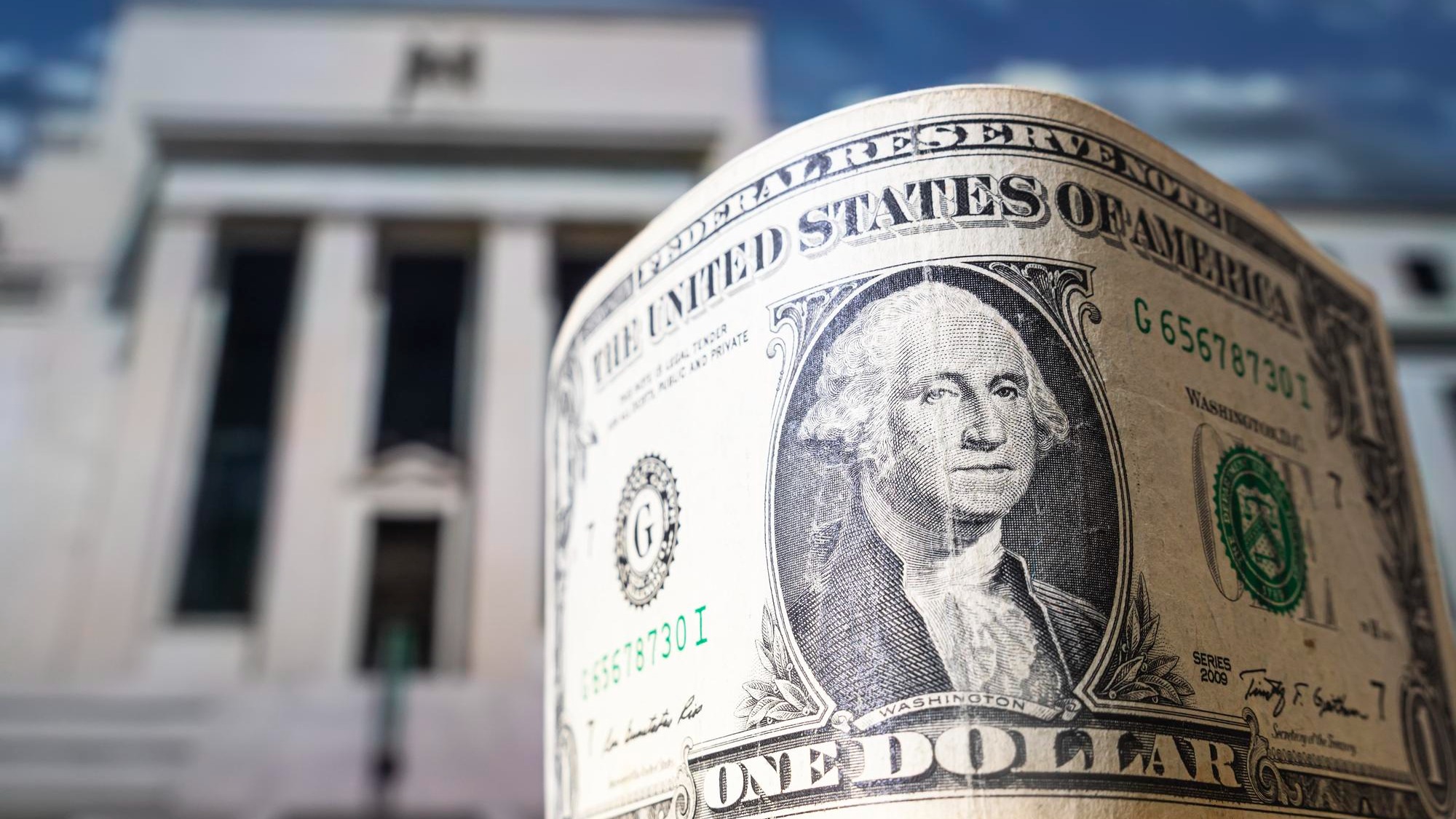
American households and investors woke up to a sharply higher inflation forecast from the Federal Reserve on June 17, 2026. The central bank’s median projection for 2026 PCE inflation jumped to 3.6 percent, up from 2.7 percent just three months earlier. That 0.9-percentage-point upward revision in a single quarter is unusually large and signals that policymakers see price pressures persisting well above the 2 percent target through the end of this year.
Why a 0.9-point inflation revision in one quarter changes the rate outlook
The gap between the March and June forecasts carries real consequences for anyone with a mortgage, car loan, or retirement portfolio. When the Fed projected 2.7 percent in March, markets had priced in the possibility of rate cuts later in 2026. A median expectation of 3.6 percent, released alongside the June 17 policy statement, all but eliminates that timeline. The Committee left the federal-funds target range unchanged at this meeting, and the higher inflation path suggests borrowing costs will stay elevated longer than most private forecasters anticipated as recently as spring.
The size of the revision points to something beyond a simple data surprise. Between March and June, the Fed’s staff appears to have incorporated supply-side constraints that shifted the entire inflation baseline upward. Private-sector rate expectations built on the earlier 2.7 percent median have not yet caught up. For consumers, this means credit card rates, adjustable-rate mortgages, and auto financing will likely remain expensive through year-end and possibly beyond. For investors, it reduces the odds of a “soft landing” in which inflation falls back to target without a period of tighter financial conditions or slower growth.
How the Fed’s June projection table documents the shift
The projection materials released after the June 16-17 meeting define all inflation figures as fourth-quarter over fourth-quarter percent changes in the PCE price index. That means the 3.6 percent median represents where Fed officials expect prices to stand by the final three months of 2026 compared with the same period in 2025. The prior round of projections, published after the March 18 meeting, placed that same metric at 2.7 percent. Both numbers reflect the individual forecasts of all FOMC participants, with the median serving as the central tendency.
The shift is visible not only in the median but also in the distribution of views. A higher median usually implies that more participants now see upside risks to inflation, or that previously optimistic members have moved closer to their more hawkish colleagues. While the June table does not provide a narrative explanation, the upward move across related variables-such as core PCE inflation and the unemployment rate-suggests that officials anticipate a more prolonged period of imbalances between demand and supply.
An independent federal benchmark adds context to how far outside normal expectations the new number sits. The Congressional Budget Office’s longer-run economic outlook, which many budget analysts use for planning, had assumed a gradual return toward 2 percent PCE inflation over the medium term. Against that backdrop, the Fed’s 3.6 percent median for 2026 lands well above the range that most government and private forecasters had been using for that year, reinforcing that the June revision was not a minor technical adjustment but a meaningful reassessment of inflation persistence.
What the June press conference and missing data leave unanswered
The Fed’s projection table tells readers where officials expect inflation to land but not why the number moved so dramatically. No primary breakdown of the specific data releases, model inputs, or supply-chain assumptions that drove the 0.9-point increase has been published alongside the June materials. The press-conference landing page for the June 16-17 meeting, available through the Fed’s press conference hub, typically includes the Chair’s prepared remarks and Q&A with reporters, which often address exactly this kind of forecast shift.
Until that transcript is fully available and parsed, analysts are left to infer the drivers from recent data: firmer-than-expected monthly PCE readings, limited progress on shelter costs, and signs that wage growth remains above levels consistent with 2 percent inflation. However, without an explicit narrative from policymakers, it is unclear how much weight they are placing on temporary factors-such as energy price spikes or specific supply bottlenecks-versus more structural forces like tight labor markets or shifts in global trade patterns.
The lack of detail also complicates the public’s ability to gauge what would cause the Fed to revise the forecast back down. If the 3.6 percent projection reflects precaution in the face of uncertainty, rather than a clear deterioration in underlying trends, then a few benign inflation prints could quickly restore expectations closer to the March path. If, instead, officials have concluded that the economy is operating above its noninflationary speed limit, it may take a more deliberate slowing of demand-through tighter financial conditions or weaker job growth-to change their minds.
For households and businesses making borrowing and investment decisions, the message is uncomfortably simple: the central bank now expects inflation to stay higher for longer, and it is prepared to keep interest rates elevated to respond. Until the Fed offers a fuller explanation of the forces behind its June revision, uncertainty around the inflation outlook will remain high, and that uncertainty itself may act as a brake on spending and risk-taking in the months ahead.