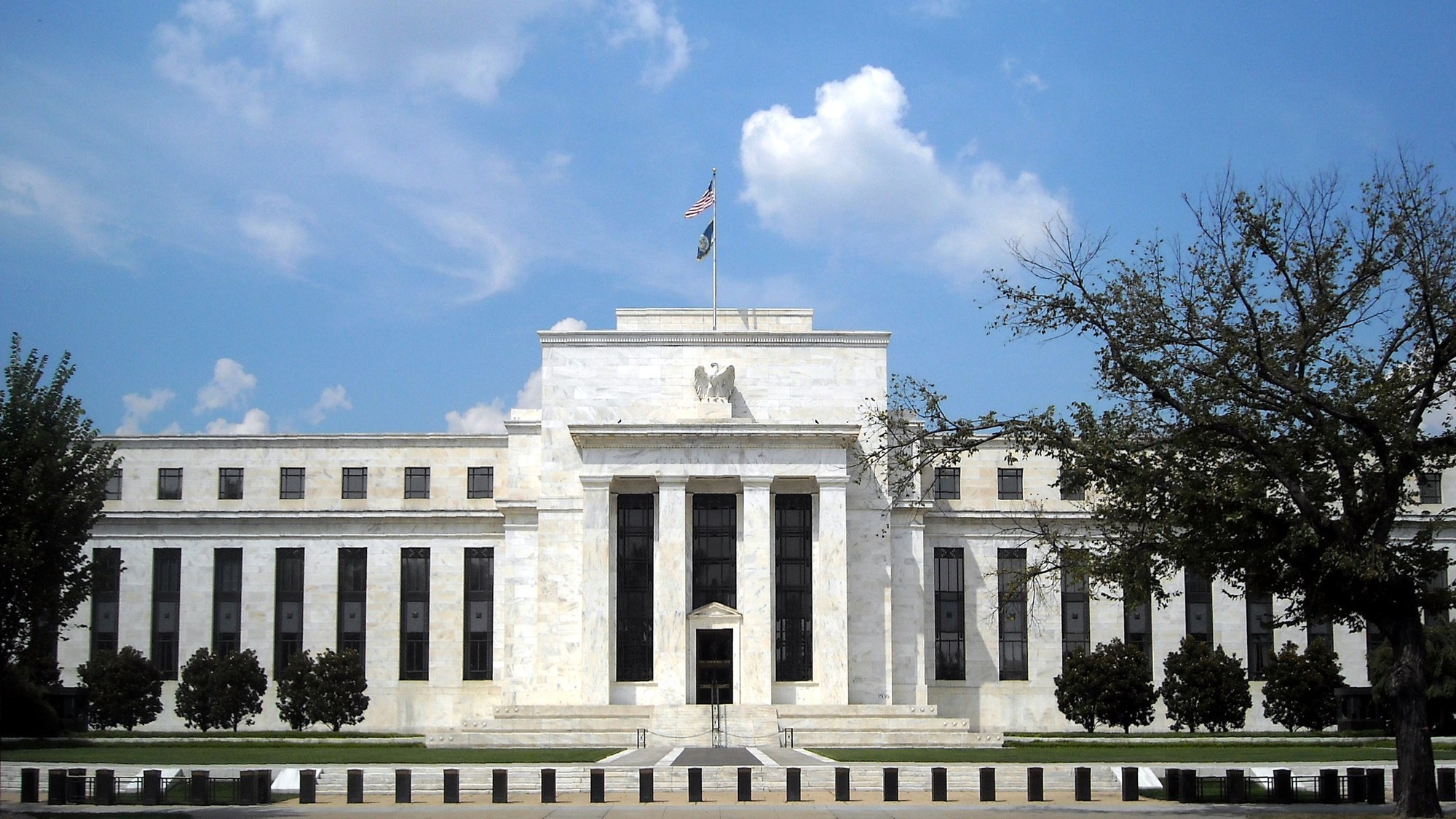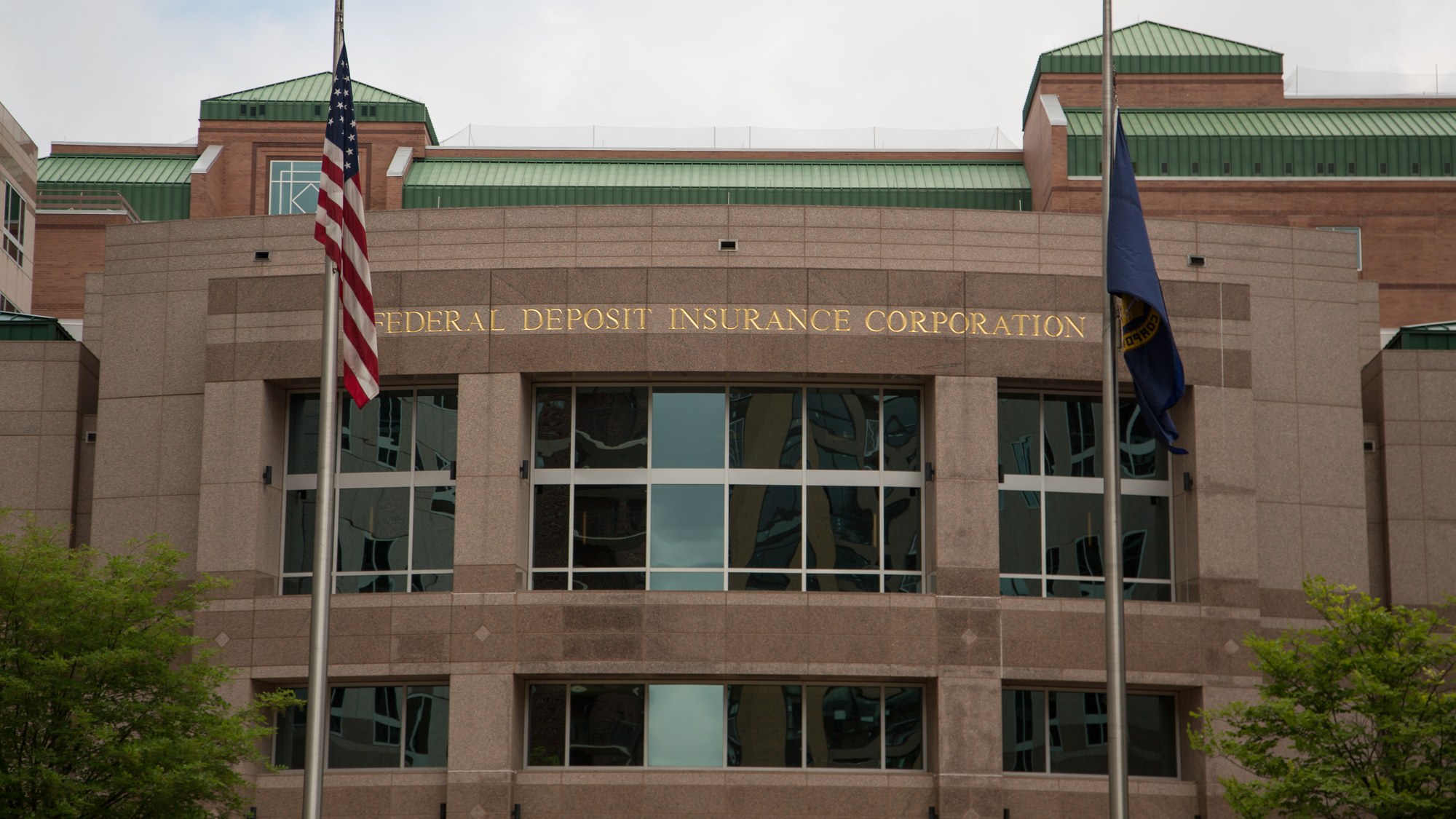
The Federal Reserve, the FDIC and the OCC raised the asset threshold that qualifies a small, well-managed bank for an 18-month examination cycle to $6 billion, doubling the prior $3 billion cutoff, the three agencies said in a joint interim final rule issued September 10. The rule took effect immediately upon publication, with the agencies specifying compliance as of September 14. A bank must still be well capitalized and well managed to qualify, and the extended cycle applies only to the routine full-scope examination schedule, not to a bank’s ongoing offsite monitoring.
Inside the kit while oversight eases: The Bank Account & Debt Protection Kit lays out FDIC deposit-insurance limits and the 2-month rule that protects federal benefit deposits from garnishment. See what actually protects a deposit at a smaller bank →
What The New Threshold Actually Changes
Under the interim final rule, a bank with up to $6 billion in total assets can now qualify for an examination cycle of up to 18 months between full-scope, on-site examinations, rather than the 12-month cycle that previously applied above the old $3 billion cutoff, according to the Federal Reserve’s September 10 press release. The prior $3 billion threshold had applied since the agencies last revised examination-cycle eligibility, and the new $6 billion figure exactly doubles that dollar cutoff, per the release. A bank sitting just above the old $3 billion line, which previously faced a full examination every 12 months regardless of its condition, is the type of institution the new ceiling is intended to reach. The change affects only how often a full examination occurs on a fixed calendar; it does not change what examiners look for once one takes place, and it does not touch a bank’s ongoing offsite monitoring, which the agencies say continues regardless of the examination cycle a bank falls under.
The Bar A Bank Must Clear To Qualify
Reaching the new $6 billion ceiling does not automatically qualify a bank for the longer cycle; the institution must also be classified as well capitalized and well managed under existing supervisory standards, per the same Federal Reserve release. Those two conditions are the same ones that applied under the prior $3 billion threshold, meaning the rule change widens which banks are eligible by asset size without loosening the underlying capital and management standards a bank has to meet. That distinction, eligibility by size versus the safety-and-soundness bar a bank must still clear, means a large but troubled institution under $6 billion would not qualify for the longer cycle even though its asset size alone would put it under the new ceiling. A bank that grows past $6 billion, or that falls out of the well-capitalized or well-managed categories, would return to the standard 12-month cycle.
Reduced Burden, Not Reduced Oversight, The Agencies Say
The Federal Reserve, FDIC and OCC frame the change as reducing regulatory burden on small, non-complex institutions while maintaining supervisory oversight through offsite monitoring between full examinations, according to the same release. That framing draws a distinction between the frequency of full, on-site examinations and the continuous, remote monitoring regulators say they still perform on every bank they supervise regardless of asset size. The interim final rule format also means the change took effect without the delay a standard notice-and-comment rulemaking would have required, though it does not preclude the three agencies from revisiting the threshold later. The agencies issued the rule jointly, meaning it applies uniformly across the banks each of them separately supervises rather than through three separate standards.
What Doesn’t Change For A Depositor’s Money
Nothing in the rule changes federal deposit insurance, which covers “$250,000 per depositor, per insured bank, for each account ownership category,” according to the FDIC’s own coverage rules, regardless of how often the bank holding that deposit is examined on a full-scope, on-site basis. The examination cycle governs how often regulators conduct a comprehensive review of a bank’s condition, not the $250,000 coverage limit that applies to a depositor’s checking or savings account, or the process for recovering an insured deposit if a bank fails. That protection instead depends on whether the bank carries FDIC deposit insurance and on the account’s ownership category, distinctions the FDIC says exist independently of an individual bank’s supervisory examination schedule. A depositor at a bank newly eligible for the 18-month cycle keeps the same $250,000-per-category protection as a depositor at any other FDIC-insured institution. Confirming that protection generally means checking the account’s ownership category and the bank’s FDIC membership directly, rather than relying on how frequently that particular bank has been examined.
Who Issued The Rule And When It Took Hold
The rule was issued jointly by the Board of Governors of the Federal Reserve System, the FDIC and the OCC, and it became effective immediately upon publication, with the agencies’ release specifying September 14, 2026, as the date it applies from. Because it was issued as an interim final rule rather than a proposal, the new threshold is already in effect for qualifying banks rather than pending a comment period before taking hold. The three agencies’ release lists media contacts at each agency but does not attribute the announcement to a single named official, presenting it as a joint agency action. That joint format is typical of rules affecting banks the Fed, FDIC and OCC each supervise separately, since a bank’s primary federal regulator depends on its charter type rather than a single agency covering every institution nationwide.
What A Longer Exam Cycle Does Not Change About A Deposit
The banking agencies’ new asset threshold means many more community banks go up to 18 months between full examinations instead of 12, provided they stay well capitalized and well managed. That schedule change affects how often regulators check a bank’s books, not the deposit insurance or garnishment protections that apply to money already sitting in an account there.
The Bank Account & Debt Protection Kit covers FDIC insurance limits, the 2-month rule protecting federal benefit deposits, and how to respond if an account is frozen, regardless of how often a bank itself gets examined.
See the FDIC coverage limits and the frozen-account steps in The Bank Account & Debt Protection Kit.
This article was produced with AI assistance and checked against the primary sources linked above.