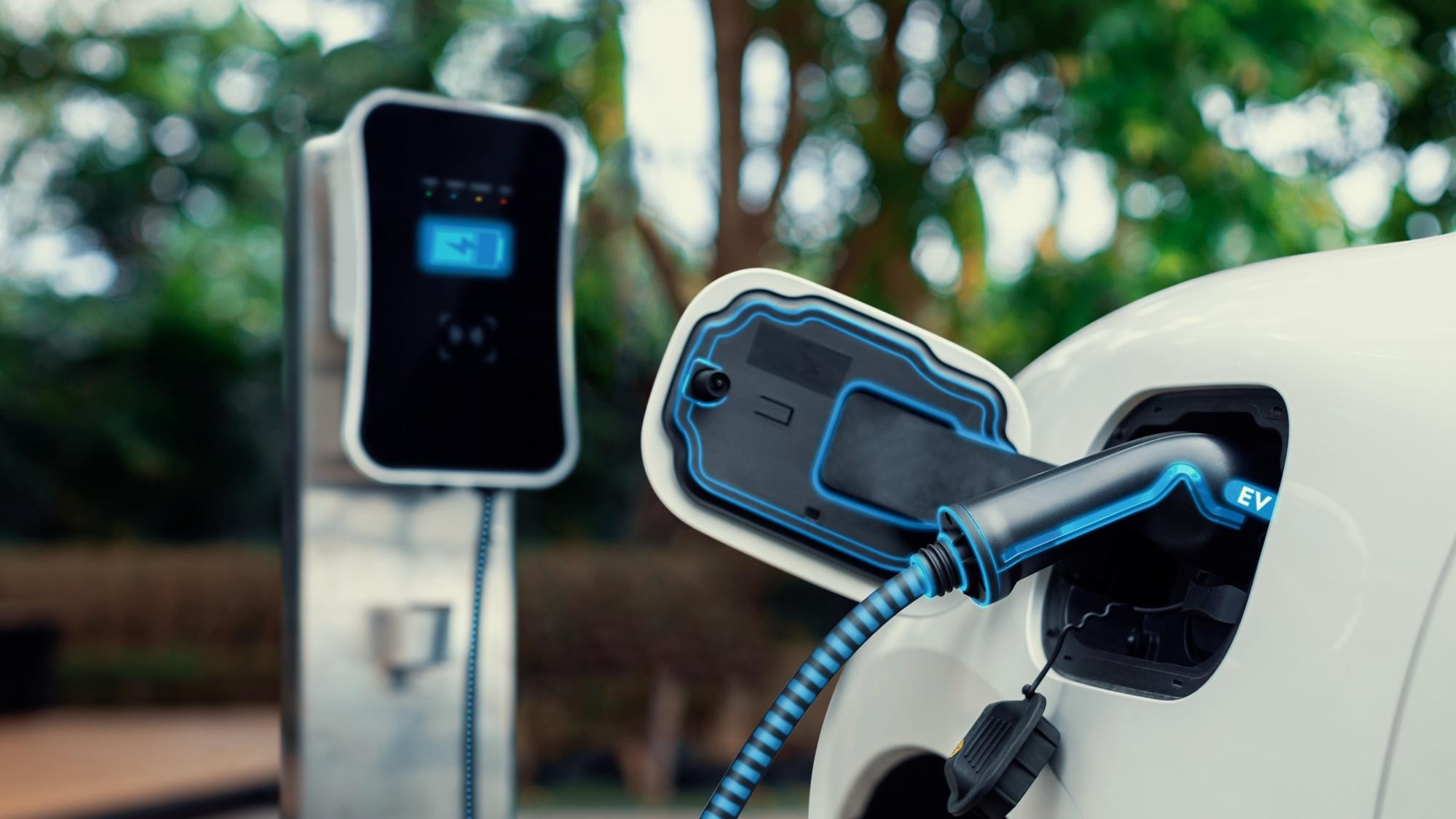
Homeowners who want to claim a federal tax credit for installing an electric vehicle charger at home are running out of time. The Alternative Fuel Vehicle Refueling Property Credit under Section 30C of the tax code covers 30% of the cost of a qualified charger, up to $1,000 per charging port, for property placed in service at a main home from January 1, 2023, through June 30, 2026. With that deadline now less than 40 days away, the window to buy, install, and satisfy the “placed in service” requirement is closing fast.
Why the June 30 cutoff catches many homeowners off guard
The credit’s expiration is not a slow fade. According to IRS guidance interpreting Public Law 119-21, the credit is not allowed for property placed in service after June 30, 2026. That means a charger sitting in a box on July 1 does not qualify. The unit must be installed and ready for use by the cutoff date.
The phrase “placed in service” carries specific legal weight. IRS filing instructions for Form 8911 and related rules govern how individuals claim the credit and what counts as meeting that standard. Simply ordering a charger or having it delivered is not enough on its own. The equipment must be set up and available for its intended function at the taxpayer’s main home before the deadline passes.
Geographic eligibility adds another layer of complexity. The credit applies only to chargers installed in qualifying census tracts, and homeowners can check their address using a Census Bureau mapping tool that the IRS links from its guidance. Tracts that became eligible after the credit’s January 2023 start date gave residents in those areas less time to learn about the benefit, find a qualified installer, and complete the work. That compressed timeline raises the risk that eligible homeowners in newer tracts will miss the deadline entirely, leaving money on the table compared with those who had the full three-and-a-half-year window.
What the statute and agency guidance actually promise
The legal foundation sits in 26 U.S.C. Section 30C, which establishes the credit for alternative fuel vehicle refueling property. The statute authorizes a credit equal to 30% of the cost of qualified property, subject to a per-item cap, and sets the basic rules for when property is treated as placed in service. Treasury and the IRS then layer on detailed guidance that spells out how those rules apply to specific technologies, locations, and taxpayers.
The U.S. Department of the Treasury has described this provision as offering up to a 30% credit for qualified refueling property placed in service and has announced guidance clarifying requirements, including the location-based eligibility framework. The Department of Energy’s Alternative Fuels Data Center separately confirms that each charging port constitutes a single item of property, meaning a homeowner who installs a dual-port unit could potentially claim two separate credits if both ports meet the statutory requirements and the total claimed does not exceed the per-port cap.
The dollar math is straightforward. A Level 2 home charger that costs $800 to purchase and install would generally yield a $240 credit (30% of $800), assuming the property otherwise qualifies and the homeowner has enough tax liability to use the credit. A more expensive installation-say, $3,500 for equipment plus panel upgrades-would hit the $1,000 per-port ceiling, because 30% of $3,500 is $1,050 but the statute limits the benefit. Homeowners adding a two-port unit could, in principle, claim up to $2,000 if each port qualifies as separate property and all other requirements are satisfied.
It is equally important to understand what the law does not promise. Section 30C does not guarantee a refund if the credit exceeds a taxpayer’s income tax liability; instead, the benefit is limited by the amount of tax otherwise owed. Nor does it extend the deadline for projects that encounter permitting delays or contractor backlogs. If the charger is not installed and ready for use by June 30, 2026, the statute and IRS guidance simply do not allow the residential credit.
Steps homeowners should take now
Homeowners who want to use the credit before it expires face a compressed checklist. First, they need to confirm that their property sits in an eligible census tract using the mapping resources referenced in IRS materials. Second, they should select equipment that meets the definition of qualified alternative fuel vehicle refueling property and obtain an installation quote that includes any necessary electrical work.
Next, they must ensure the installation can be completed before the deadline. That may require asking contractors directly about scheduling constraints and permitting timelines. Because “placed in service” hinges on the charger being installed and available for use, homeowners should build in a buffer for inspections or unexpected delays rather than aiming for the last possible week.
Finally, taxpayers will need to retain invoices and installation documentation to support their claim and then complete the relevant parts of Form 8911 when filing their federal return for the year the charger was placed in service. By understanding what Section 30C and IRS guidance actually provide-and acting before June 30, 2026-eligible homeowners can still capture a meaningful discount on the cost of charging an electric vehicle at home.