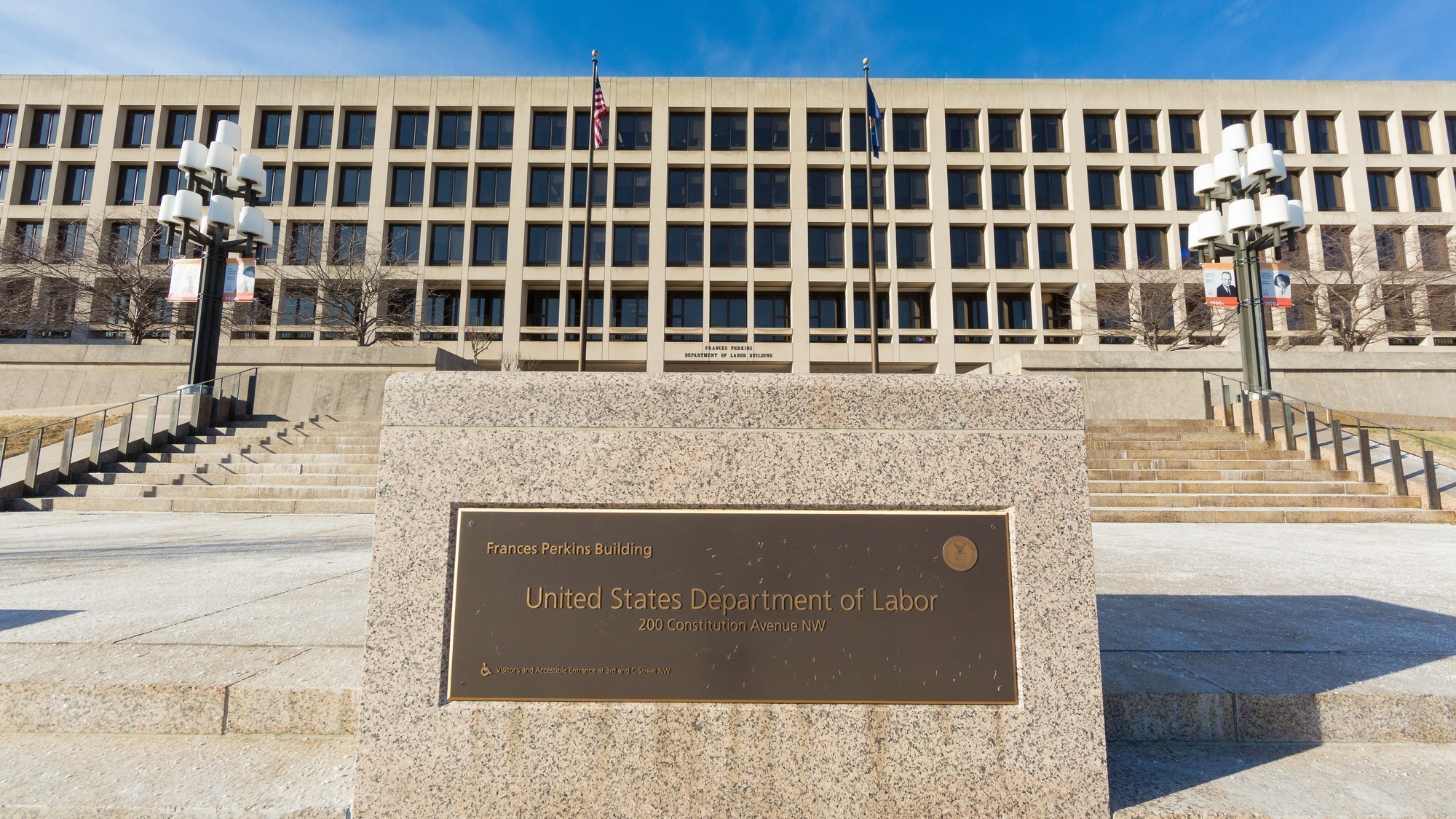
The federal agency that insures private-sector pensions has disclosed how much money it spent last year propping up some of the country’s shakiest retirement funds. During fiscal year 2025, the Pension Benefit Guaranty Corporation paid $6.2 billion in one-time assistance to 48 multiemployer pension plans that could not otherwise keep paying full benefits, money that came from general tax dollars set aside under a 2021 rescue law rather than the premiums pension plans normally pay. For workers and retirees counting on a multiemployer pension, the kind jointly run by a union and a group of employers, the new annual report is the clearest public accounting yet of how many plans needed rescuing and how the wider system is holding up.
Inside the $6.2 Billion in Special Financial Assistance
During fiscal year 2025, which ended September 30, 2025, the Pension Benefit Guaranty Corporation paid $6.2 billion in Special Financial Assistance to 48 multiemployer pension plans, according to the agency’s FY 2025 Annual Report. The Special Financial Assistance program was created under the American Rescue Plan Act of 2021 to give financially troubled multiemployer plans a one-time payment meant to help them keep paying benefits, rather than let them run out of money entirely. Unlike PBGC’s day-to-day operations, which are financed through premiums that multiemployer and single-employer sponsors pay into two legally separate insurance funds, the special assistance itself is financed by general taxpayer monies rather than premium dollars collected from other pension sponsors, the agency’s report states.
Free retirement updates: A quiet rule change can shrink your Social Security or Medicare check, and no one warns you. The free Retirement Shield newsletter catches these early and tells you what to do. Get it free.
A Fund Now Backing 11.1 Million Participants
The Multiemployer Program, the PBGC-run insurance fund that the 48 rescued plans belong to, covers about 11.1 million participants across roughly 1,300 insured plans, the annual report shows. As of September 30, 2025, the program held $4.9 billion in assets against $2.3 billion in liabilities, a positive net position of $2.6 billion that grew by $516 million over the year, an improvement the agency attributes mainly to premium and investment income rather than to the special assistance payments themselves. That marks the fifth consecutive year the Multiemployer Program has posted a positive net position, alongside its sister Single-Employer Program, and it is one piece of an insurance system PBGC says now protects about 30 million American workers, retirees and beneficiaries across both programs combined.
Traditional Guarantee Payments to 100 Already-Insolvent Plans
Separately from the special assistance program, PBGC paid $169 million in traditional financial assistance to 100 already-insolvent multiemployer plans during the same fiscal year, the annual report notes. That assistance channel predates the 2021 rescue law and continues to run alongside it, covering plans that had already exhausted their own assets before Special Financial Assistance existed as an option.
The Single-Employer Side of the Ledger Looks Different
PBGC’s other insurance fund, the Single-Employer Program, covers pensions sponsored by individual companies rather than groups of employers, and its finances moved further in the other direction. As of September 30, 2025, that program held $152.3 billion in assets against $90 billion in liabilities, a positive net position of $62.2 billion, an improvement the agency credits mainly to investment income and premium income exceeding new claims. During fiscal year 2025, PBGC paid over $6.4 billion in retirement benefits to nearly 926,000 retirees in plans the agency has already taken over, part of a caseload of nearly 1.4 million participants and beneficiaries in failed single-employer plans for whom PBGC is now directly responsible. The Single-Employer Program overall protects about 18.4 million workers and retirees across roughly 22,000 insured plans, a far larger population than the multiemployer side it does not fund or subsidize.
Some Plans Are Still Waiting in Line
Not every eligible plan receives Special Financial Assistance the moment it applies. PBGC uses what it calls an application metering system: the agency accepts as many applications as it estimates it can process within the statutory 120-day review period, and its e-Filing Portal temporarily closes once that capacity is reached. When the portal is closed, plans can ask to join a waiting list rather than submit right away. The rule that governs how Special Financial Assistance amounts are calculated was finalized in July 2022, roughly a year after the American Rescue Plan Act created the program, and PBGC has updated its assumptions guidance more than once since then as plans’ financial projections have changed.
A Fifth Straight Year of Positive Numbers
The FY 2025 report marks the fifth consecutive year that both the Single-Employer and Multiemployer programs have reported positive net financial positions, the 33rd consecutive year PBGC has received an unmodified audit opinion on its financial statements, and the 10th consecutive year of an unmodified audit opinion on the agency’s internal control over financial reporting. KPMG performed the audit under contract with PBGC’s Office of Inspector General, which oversaw the review. “PBGC’s strong financial condition enables the agency to fulfill its mission of protecting the retirement security of workers and retirees well into the future,” PBGC Director Janet Dhillon said in releasing the report on January 27, 2026.
The Programs a Backstop Doesn’t Cover
Separately from pension insurance, several benefit programs aimed at older households operate on the same opt-in basis that leaves federal and state money unclaimed. Medicare Savings Programs and Extra Help both lower Medicare costs for people who qualify, but each requires its own application, and no agency automatically enrolls someone who meets the income rules. SNAP eligibility for adults 60 and older works the same way: the program exists, but participation depends entirely on a household filing the paperwork with its state agency.
The Benefits Checklist is a 69-page guide to all eleven programs, printing each one’s 2026 income limit and a 50-state directory of the number to call in each state.
Look up the number to call in each state in The Benefits Checklist.
This story was researched and written with AI assistance and edited before publication.