The Federal Reserve raised its target range for the federal funds rate by a quarter point to between 3.75% and 4% on September 16, 2026. The Federal Open Market Committee approved the increase unanimously, 12-0. The newest credit card figure in the central bank’s own consumer credit data is 20.94%, a reading for all accounts that dates to May 2026 and so predates the hike.
The FOMC statement and the 25 basis point increase
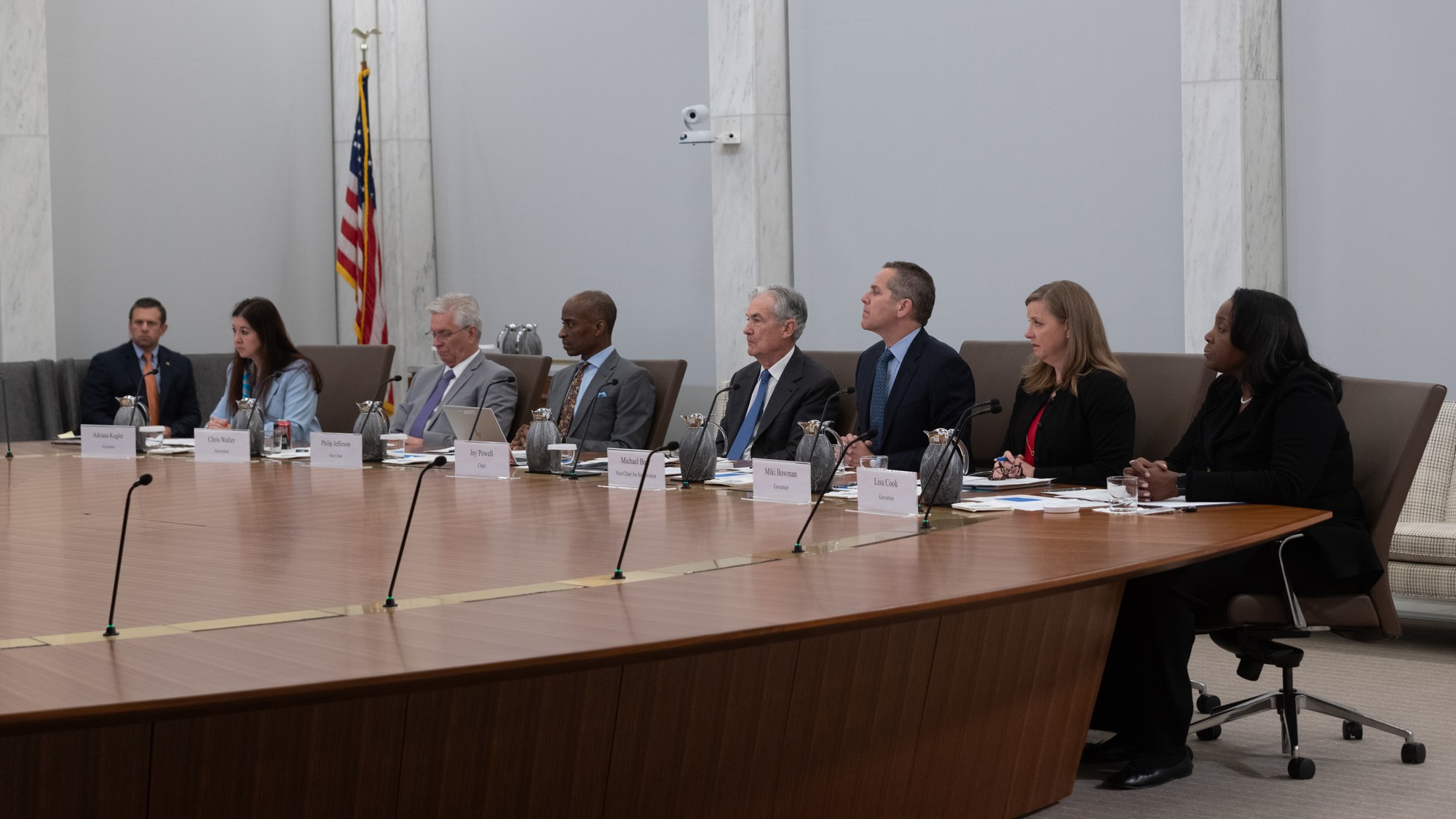
The decision is a tightening, not a cut or a hold. In its September 16 statement, the Committee said it “decided to raise the target range for the federal funds rate by 1/4 percentage point to 3-3/4 to 4 percent, in support of the Federal Reserve’s dual mandate.” No member dissented.
The statement described economic activity as expanding at a solid pace, with resilient domestic spending, strong productivity growth and robust capital investment. On prices, the Committee said inflation remains elevated, and that the action will support a timelier return to its 2 percent goal. That language is the Committee’s stated reason for tightening, and it is the only rationale the statement offers.
The vote count is itself part of the record. A 12-0 decision means every voting member backed the increase, so the statement carries no dissent to weigh against the majority, and no individual member’s reasoning is attributed in it. The Committee framed the move as support for its dual mandate that the statement cites as the basis for the increase.
Why 3.75% to 4% is still the current range
A target range stays in force until a later meeting changes it. The Fed’s open market operations page lists the September 16 move, a 25 basis point increase to 3.75% to 4.00%, as the most recent change. No meeting has been held since, so the range was still current when this article was written on October 3, 2026.
The federal funds rate is the overnight rate banks charge one another. The Committee sets a band for it rather than a single number, which is why the statement gives a lower and an upper bound.
What the G.19 release says about credit card rates
Card pricing is reported separately, in the Fed’s monthly G.19 consumer credit release. The latest edition, dated September 8, 2026, shows an interest rate of 20.94% on all credit card accounts, not seasonally adjusted. Among accounts that were actually assessed interest, the rate is 22.15%. Both numbers are for May 2026.
The same table marks June and July 2026 as not available for card interest rates, so May is the most recent measurement the Fed has published. That gap in time matters for reading the headline pairing. The 20.94% figure was recorded before the September increase and says nothing yet about how issuers repriced afterwards.
Because the G.19 card rate series is published with a lag, a rate reading can trail the policy decision by several months. That is the situation now: the policy change is dated September 16, while the newest card reading is from May. Comparing the two as if they described the same moment would overstate what is known.
The 1.21 percentage point gap between the all-accounts rate of 20.94% and the 22.15% for accounts assessed interest is also worth stating plainly. It is the difference between a rate averaged over every account and a rate averaged only over accounts that were charged interest.
How a policy rate change reaches card balances
Neither Fed source states a prime rate or a forecast for card rates after the hike, and this article does not supply one. What the sources do establish is the sequence of two separate measurements: the policy range moved up a quarter point in September, and the last published card rate, from May, stood at 20.94% across all accounts and 22.15% for those paying interest.
The distinction between the two figures is the Fed’s own. The all-accounts rate averages in cardholders who pay in full each month and are never charged interest, which pulls it below the rate on balances that are carried. Any later G.19 edition that fills in the missing months will show how far the new policy range has moved those averages.
What the Fed has published and what remains unpublished
Two items are on the public record: the Committee’s unanimous vote and the target range it set. One is not yet there: card rates for June, July and August onward. Until those months appear in a later G.19 release, the 20.94% reading is the benchmark the Fed itself points to.
The statement leaves the next step open to later data. It characterises inflation as elevated and activity as solid, and it ties the quarter point increase to a return to 2 percent inflation. The Committee’s next scheduled decision will show whether the range holds at 3.75% to 4% or moves again.
A tax calculator set for retirees drawing from several accounts
This planner is for retirees and near-retirees who pull income from Social Security, pensions and retirement accounts and want to see how each source affects the tax bill. It turns a tangle of thresholds into a sequence of steps.
The Retirement Tax & Withdrawal Planner is a 12-page planner with four calculators (provisional income, IRMAA tier, RMD schedule, Roth bracket fill) that let a reader test a withdrawal plan against Medicare surcharge tiers and tax brackets.
Open the IRMAA tier and Roth bracket fill calculators →
AI assistance was used in producing this article, which was reviewed against the official documents it cites.