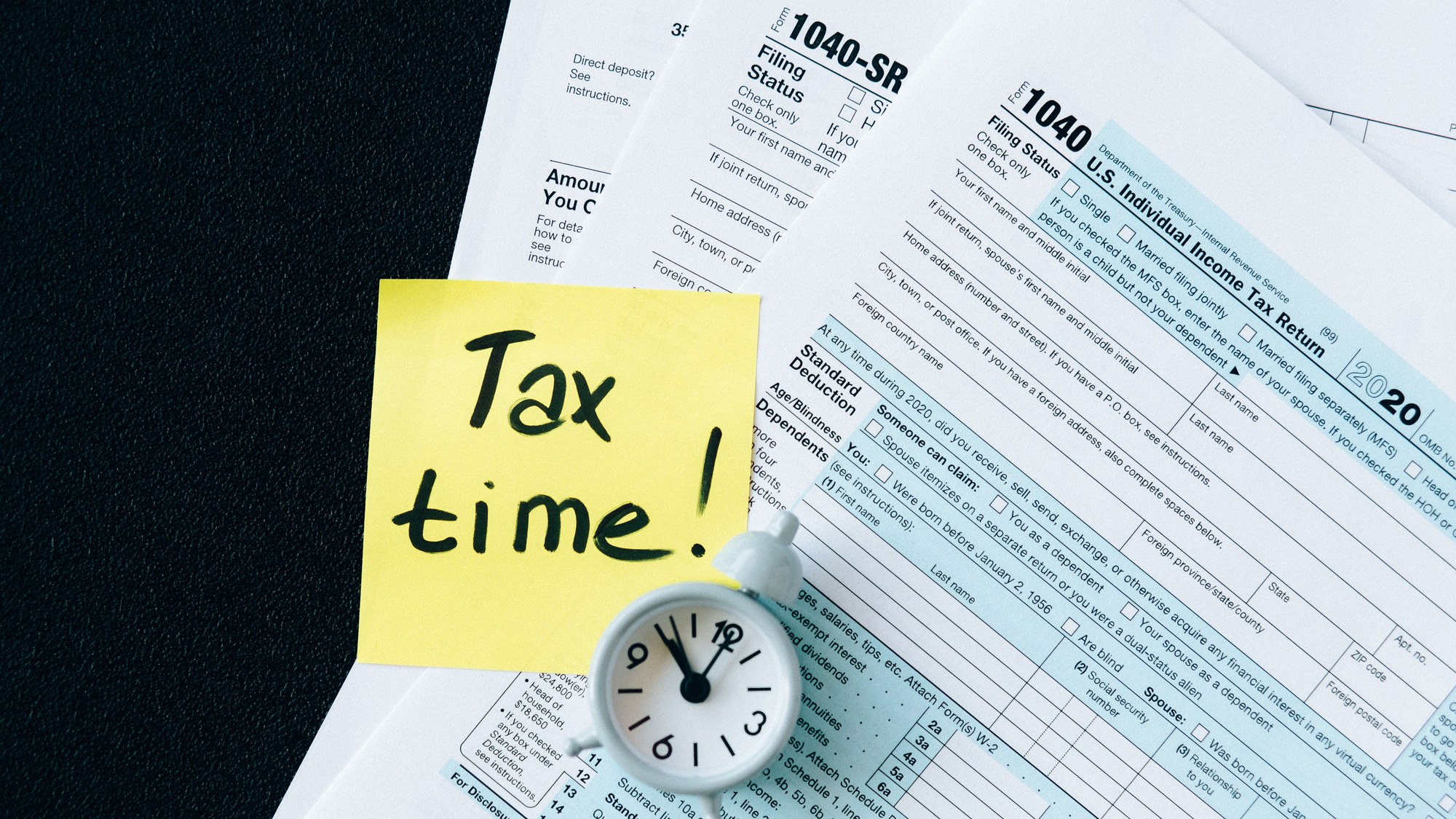
The last quarterly tax deadline tied to the 2026 tax year does not actually fall in 2026. The fourth and final estimated-tax installment for 2026 income is due Jan. 15, 2027, and missing it can trigger an underpayment penalty even for someone who eventually pays everything owed in full when they file their return that spring.
Who actually owes an estimated-tax payment
Estimated tax exists to cover income that isn’t subject to automatic withholding — self-employment and gig-economy earnings, rental income, interest and dividends, alimony, and often taxable Social Security benefits or a retirement-account distribution that wasn’t withheld on heavily enough. Someone whose income comes entirely from a W-2 job with standard withholding rarely needs to worry about this; someone drawing income from a pension, an IRA, investments or self-employment in retirement frequently does, often without realizing it until a penalty notice arrives.
Under the IRS’s general rule for 2026, a taxpayer must make estimated payments if they expect to owe at least $1,000 in tax for the year after subtracting withholding and refundable credits, and if their withholding and credits are expected to fall short of covering that amount.
The IRS also gives filers a built-in safe harbor that can avoid a penalty even without hitting the exact tax bill for the year: paying in, through withholding and estimated payments combined, at least 90 percent of what will ultimately be owed for 2026, or at least 100 percent of what was owed for 2025 (110 percent for higher-income filers), generally avoids the underpayment penalty regardless of what the final 2026 number turns out to be. That gives a taxpayer two different ways to calculate a safe payment amount, and picking whichever one produces the smaller required payment is entirely allowed.
Free download: The 2026 estimated-tax and RMD dates, Medicare enrollment deadlines, and a checklist to stay ahead of penalties. Download the free retirement deadline calendar.
The January 15 date, and the one exception that avoids it
The Jan. 15, 2027, due date covers only income earned in the final quarter of 2026 — roughly September through December — and it is the last of four installments the IRS expects across the year rather than a single annual payment. There is one built-in exception: a taxpayer who files their complete 2026 Form 1040 and pays the entire remaining balance due by Feb. 1, 2027, does not need to send the separate fourth-quarter voucher at all, since the return itself settles the year. A separate rule applies to farmers and fishers, who can skip the quarterly schedule entirely and make a single payment by Jan. 15 if at least two-thirds of their income comes from farming or fishing.
Why retirees are more likely to owe this payment than they expect
Retirement income has a habit of generating tax bills that regular paycheck withholding never catches. A required minimum distribution, a Roth conversion, or Social Security benefits that became taxable once other income pushed a household over the relevant threshold can each create a tax liability with no corresponding withholding unless the account holder specifically requested it. There is a lesser-known way to catch up without writing a fourth-quarter check: tax withheld from a pension, an IRA distribution or a Social Security payment is treated by the IRS as paid evenly across the entire year no matter when during the year it was actually withheld. That means someone who realizes in December they are behind on estimated payments can sometimes fix the shortfall by increasing withholding on a year-end IRA distribution rather than by trying to calculate and send a January payment large enough to cover the gap. A same-size dollar amount lands very differently depending on which fix is used: a January 15 estimated payment only counts from the date the IRS receives it, while withholding of the same size taken from a December distribution is credited as if it had been paid in equal installments since the start of the year, which can erase a penalty that a same-size estimated payment would not.
The January estimated-tax date
A due date on a calendar does not tell a retiree how much to actually send, and that number depends on a chain of moving parts — provisional income, Medicare’s income-related surcharge tiers, the required minimum distribution schedule and which account a withdrawal comes from — that a single IRS form was never designed to walk through.
The Retirement Tax & Withdrawal Planner is a 12-page planner with four calculators covering provisional income, IRMAA tier, RMD schedule and Roth bracket fill, built around exactly this kind of year-end math.
See The Retirement Tax & Withdrawal Planner.
This article was researched and drafted with the assistance of AI and reviewed by an editor.