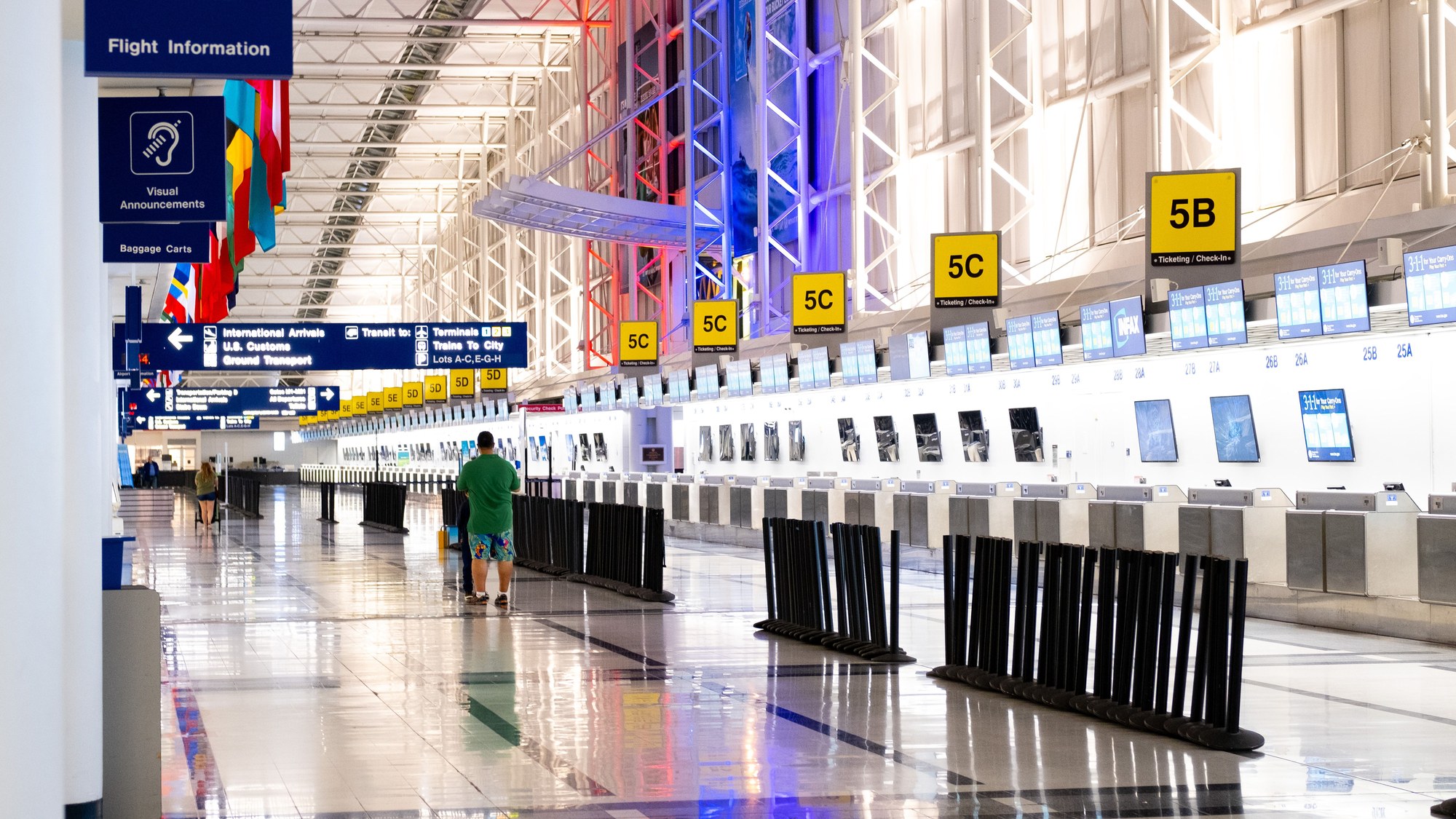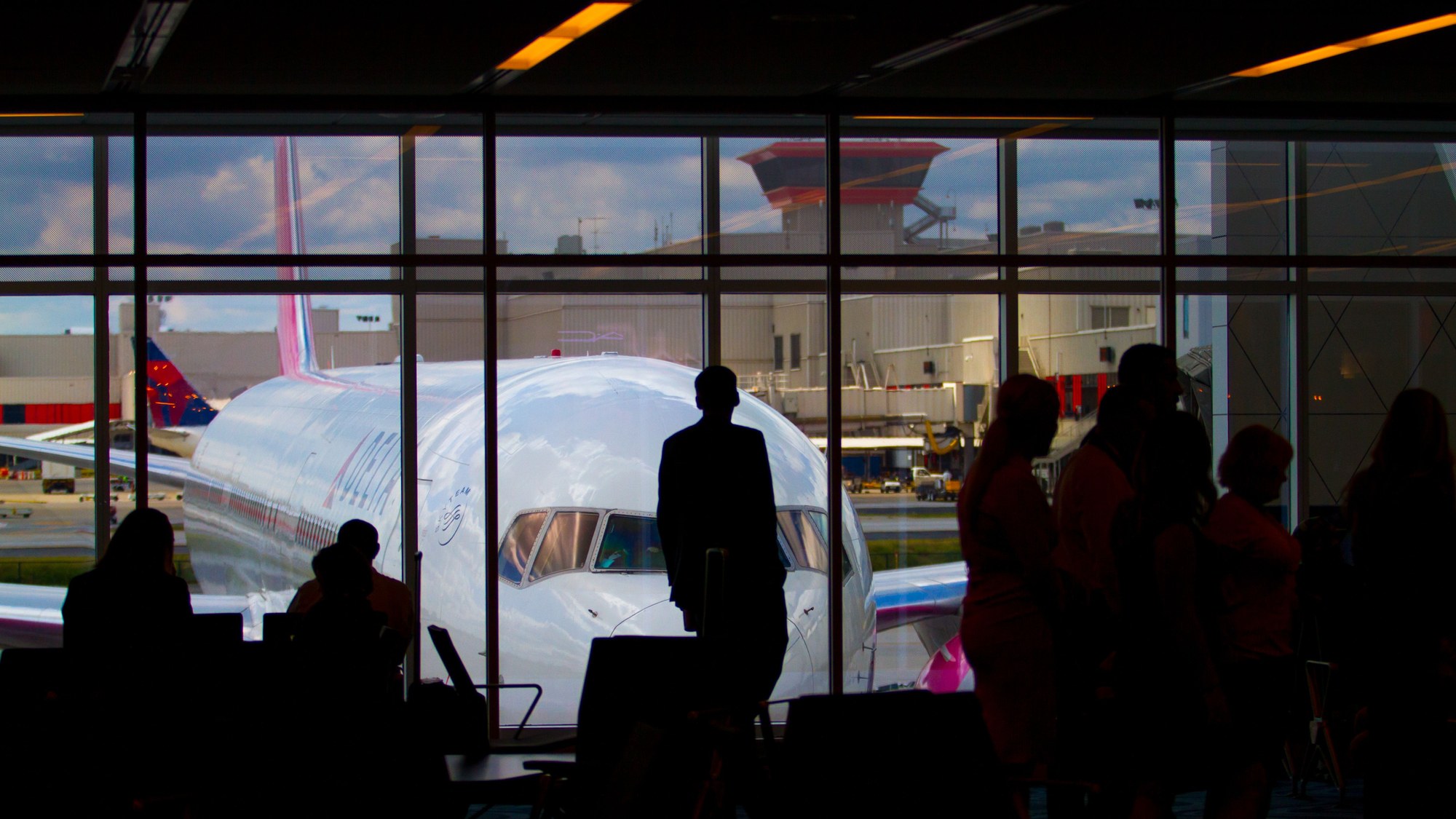
The Federal Trade Commission on Oct. 28 ordered nine companies to hand over information on whether they charge different customers different prices for the same ticket, ride, delivery or product. The recipients are Delta, United, JetBlue, Lyft, Uber, DoorDash, Instacart, Target and Walmart. The orders also ask whether drivers and other workers are paid differently based on personal data, the agency said in its announcement.
Which companies got the orders?
Three are airlines: Delta, United and JetBlue. Two are ride-sharing companies, Lyft and Uber, and two are food-delivery companies, DoorDash and Instacart. Target and Walmart are the two retailers. The FTC described the group as airline, ride-sharing, food-delivery and retail companies.
The orders were issued under Section 6(b) of the FTC Act, which lets the Commission run wide-ranging studies that do not have a specific law enforcement purpose. Commissioners voted 2-0 to approve them. Each company has 45 days from the date it receives its order to respond, and the FTC can ask a federal court to compel compliance if a company does not.
Who could be paying a different price than the shopper next to them?
Anyone who books a flight, hails a ride, orders groceries for delivery or shops at a big-box store is a customer of at least one of these nine. Whether any of them charge people different prices is exactly what the study is meant to find out, and the FTC has not said it has found that any of them do.
Stay ahead of government payment news: Miss an enrollment or claim deadline and the money can be gone. Join the Retirement Money Brief and we’ll send you our 2026 Government Check Reality Tracker as a welcome gift.
Get the Brief + the check tracker →
We may earn a commission from links on this page.
What does the FTC want to know?
The agency wants to learn whether the price of a ticket, ride, delivery or other product varies from one person to the next based on factors such as loyalty program participation or analysis of personal data by what the release calls “superintelligence algorithms.” The companies must also document the inputs, tools and procedures used to set or adjust prices and compensation.
For the ride-sharing and delivery companies, the FTC also asks whether driver pay varies based on personal data, such as phone usage or the history of which offers a driver accepted. The agency notes that airlines typically pay employees transparent salaries or fixed hourly wages, while drivers for ride-sharing and delivery apps may receive shifting offers based on opaque formulas.
Does an order from the FTC mean it found something wrong?
No. The orders are requests for information in a study, not findings of wrongdoing, and the release uses cautious language. “We intend to scrutinize the opaque methodology that some companies in these industries may be using,” FTC Chairman Andrew Ferguson said.
“Consumers deserve to know whether companies use their web surfing habits or other personal data,” Ferguson said, adding that workers also deserve to know whether their pay is affected by how companies use their personal data.
The agency’s own account is that it knows little so far. The FTC says its earlier personalized pricing study looked only at consulting middlemen, not at the companies that set the prices, so it learned nothing about actual pricing decisions. This round is meant to fix that.
What did the earlier FTC study find?
The interim findings, published Jan. 17, 2025, came from orders sent in July 2024 to several companies that retailers hire to adjust and target prices with algorithms. Staff found that retailers frequently use personal information, including location, demographics and online behavior such as mouse movements, to set targeted prices.
The intermediaries worked with at least 250 clients, including grocery stores and apparel retailers, according to the findings. One example in the report had a shopper profiled as a new parent seeing higher-priced baby thermometers first in search results. Those examples were hypothetical, the FTC said, because it releases information only in aggregated or anonymized form. Then-chair Lina Khan said, “Americans deserve to know how their private data is being used to set the prices they pay.”
What is the FTC proposing on disclosure?
On Aug. 19, the Commission voted 2-0 to publish a proposed enforcement policy statement on personalized pricing for public comment. The proposal defines the practice as setting prices based on what a company believes a specific consumer will pay, using personal data. It says consumers expect prices to reflect supply and demand, not their browsing or purchase history, and that retailers that say or imply a price is the same for everyone when it varies by individual risk misleading customers. Undisclosed collection or use of personal data to set prices could violate the FTC Act’s ban on unfair or deceptive practices, the proposal says.
Ferguson said the FTC “does not have the legal authority to ban personalized pricing in all circumstances,” but that businesses that do not disclose how personal data sets a price may violate the FTC Act. The agency “will not hesitate to enforce the law in this space,” he said. Comments on the proposal were due Sept. 18, and the statement is still only proposed.
The proposal also notes that consumers may respond to personalized pricing by using a VPN or private browsing, or by avoiding retailers that personalize prices.
Paying the same fare as everyone else?
The FTC study is about what companies charge. It does not set a price, and the nine companies have until the 45-day mark to answer. A shopper who wants to spend less this winter has to ask for the discounts that are never offered on their own.
Senior Discounts Worth Asking For turns that into a short list. It covers Amtrak and city transit, with 10% off most rail fares and half fare on many buses, and the car insurance mature-driver course discount, each with the exact words to use. It also includes a savings log to track what asking is worth each year.
See the guide to the fare and insurance discounts worth asking for →
This article was produced with AI assistance and edited for accuracy against the sources linked above.